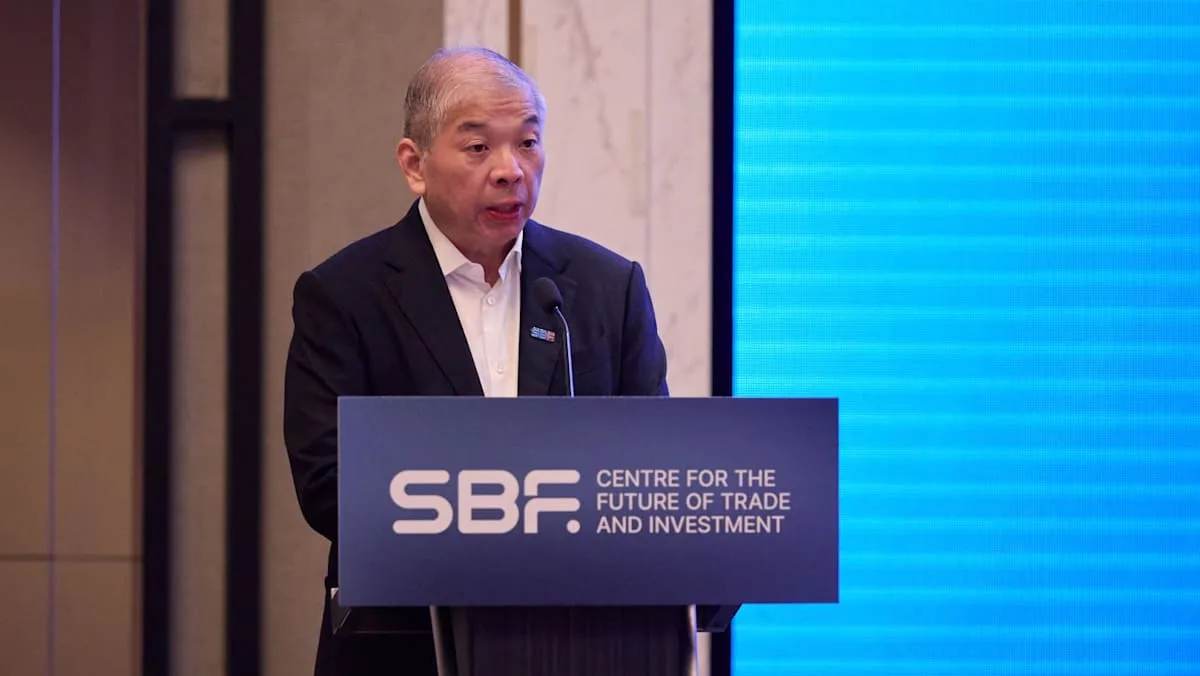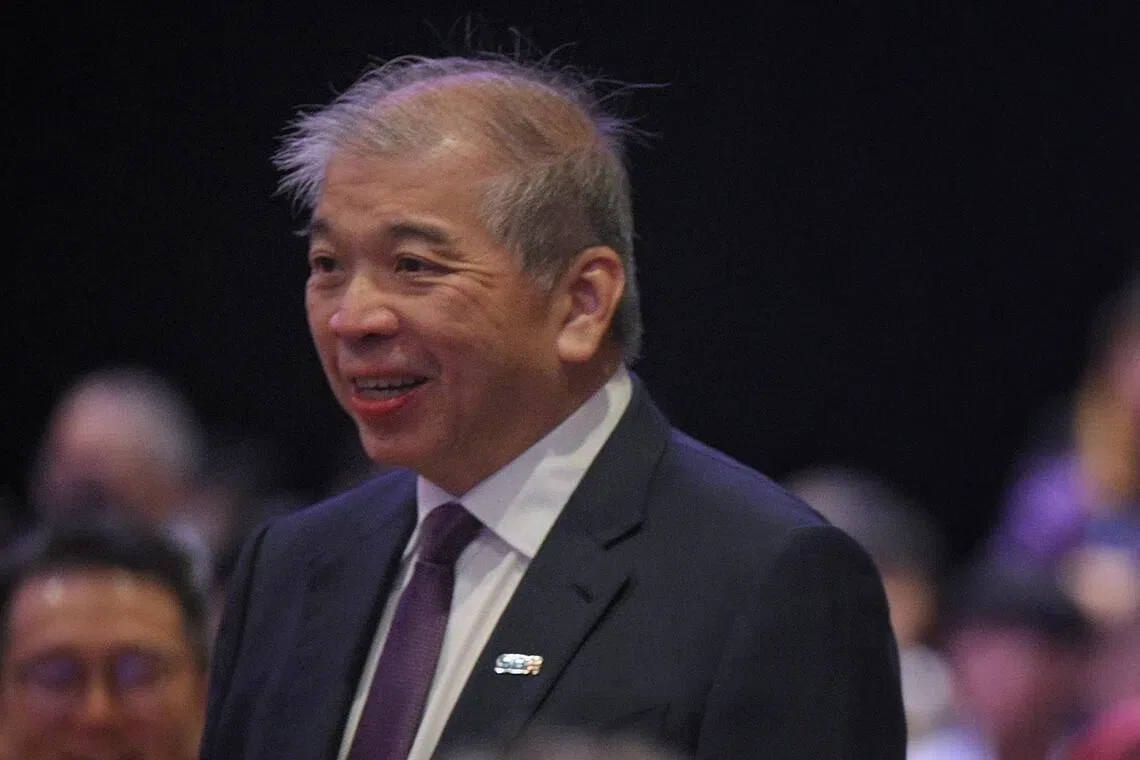
Teo Siong Seng, CEO of Singamas Container Holdings, and other executives have been named in two civil class-action lawsuits filed in the US District Court for the Northern District of California on June 2 and June 9, 2026, alleging they participated in a container price-fixing cartel [1, 2, 3]. Plaintiffs include American companies C.A. Spalding Company, an industrial components manufacturer, and Daybreak Express, a shipping and trucking provider [1, 2, 3].
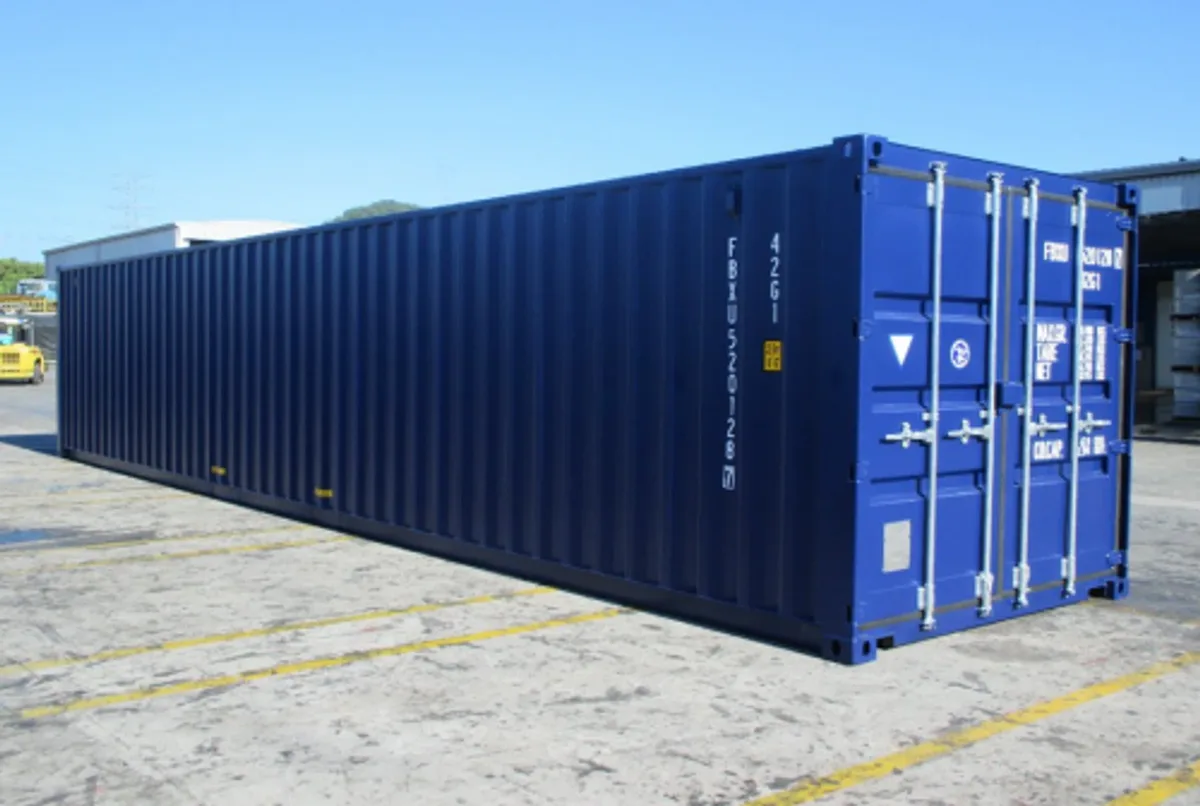
The lawsuits claim the defendants operated a cartel of container manufacturers responsible for about 95% of the global standard dry shipping container supply. The group includes Singamas, China International Marine Containers (CIMC), CXIC Group Containers, and Shanghai Universal Logistics Equipment [1, 2, 3]. According to the complaints, the cartel fixed prices by restricting production output, limiting factory operating hours and shifts, installing video surveillance cameras, and agreeing not to open new factories. Specifically, 87 surveillance cameras monitored 49 container production lines to ensure compliance with output limits [1, 2, 3].
As a result, the price of a standard 20-foot shipping container reportedly more than doubled, rising from roughly US$1,600 in 2019 to about US$3,500 by 2021 [1, 2]. The cartel allegedly boosted profits significantly; CIMC’s container manufacturing unit alone earned US$186.8 million in 2021. Overall, container manufacturers' profits grew roughly 100-fold during the conspiracy period [1, 2].
The US Department of Justice (DOJ) filed a related criminal indictment against the same companies and executives on January 22, 2026, which was unsealed publicly on May 19, 2026 [1, 4, 3]. Teo Siong Seng, aged 71, has taken leave from several leadership roles, including chairman of the Singapore Business Federation, to address the allegations [1].
The civil lawsuits seek damages, restitution, and disgorgement of profits, including treble damages under US antitrust law. Each suit aims to represent a nationwide or state-specific class of indirect purchasers affected by the alleged cartel [1, 2, 4, 3]. The first complaint was filed by C.A. Spalding Company on June 2, followed by the Daybreak Express suit on June 9 [1, 2, 3].