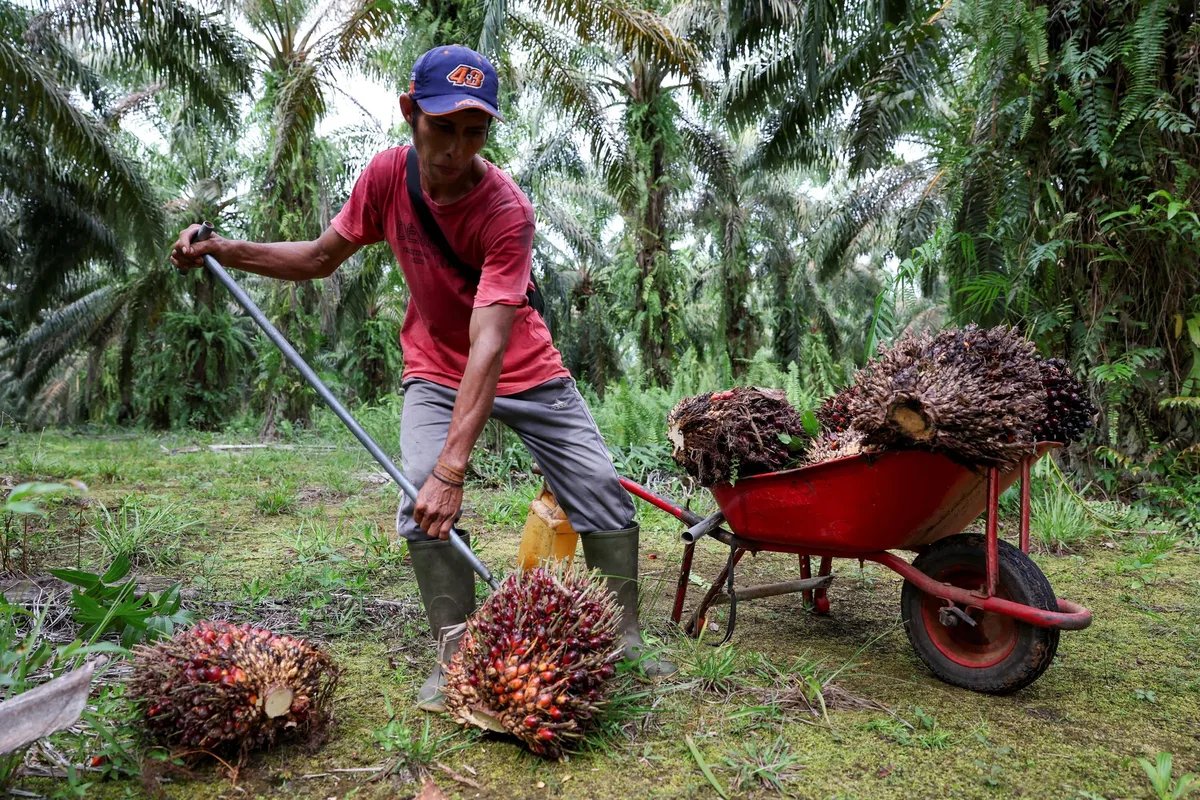
A crude oil supply shortfall from the prolonged closure of the Strait of Hormuz has accelerated biodiesel mandates in Southeast Asia, pushing up crude palm oil prices and lifting Singapore Exchange-listed plantation stocks on Tuesday. [1]
Biodiesel, made by reacting vegetable oil or animal fat with alcohol, is gaining ground because it is becoming more cost-competitive against petroleum diesel. [1]
The price gap that had kept palm oil less attractive as a fuel feedstock has narrowed sharply since the US-Iran war. Crude palm oil now carries a premium of about US$14 a tonne to gas oil, down from an average of around US$271 a tonne over the past year. [1]
That tighter spread makes palm oil more competitive in biodiesel blending and has fed demand expectations across Southeast Asia, where governments are pressing ahead with higher biodiesel use. Plantation shares in Singapore have gained as investors bet on stronger palm oil pricing. [1]
The report on the Strait of Hormuz disruption and its impact on palm oil prices and biodiesel demand was dated May 5, 2026. [1]