South Korea announced on May 17 that it will pursue all available measures, including the rare step of emergency arbitration, to prevent a labor strike at Samsung Electronics and minimize its impact [1, 2, 3, 4]. Prime Minister Kim Min-seok called an emergency meeting and warned that a single day of work stoppage at Samsung’s semiconductor factory could result in direct losses of about 1 trillion won (approximately US$668 million) [1, 2, 3, 4]. "Just one day of suspension at Samsung Electronics' semiconductor factory is expected to incur direct losses of as much as one trillion won," Kim said, adding that a pause in production could lead to months of inactivity [1].
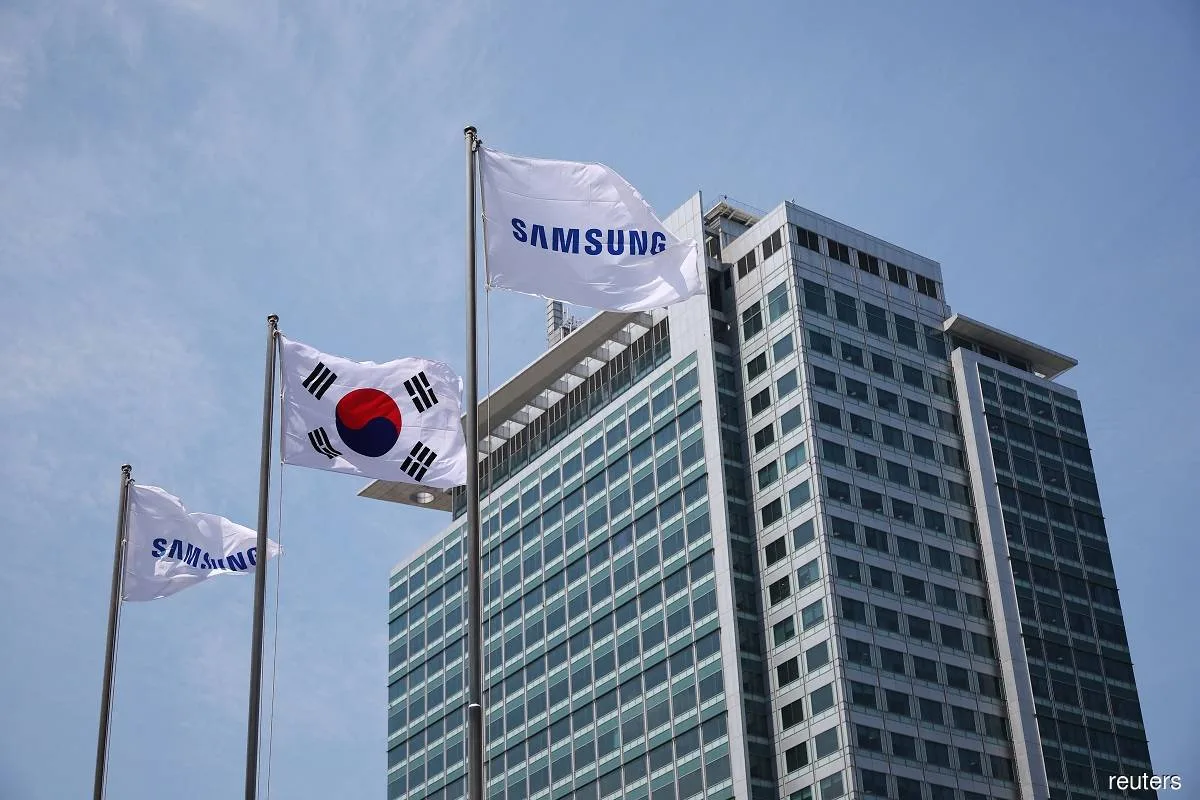
Samsung Electronics is South Korea’s largest employer, with over 120,000 workers, and the world’s biggest memory chip maker [1, 2, 3, 4]. It accounts for 22.8% of South Korean exports and 26% of the domestic stock market [1, 2, 3, 4]. Around 1,700 suppliers also depend on the company [1, 2, 3, 4]. A strike could cause extensive economic damage, potentially reaching 100 trillion won due to disruption and disposal of semiconductor materials [1, 2, 3, 4].
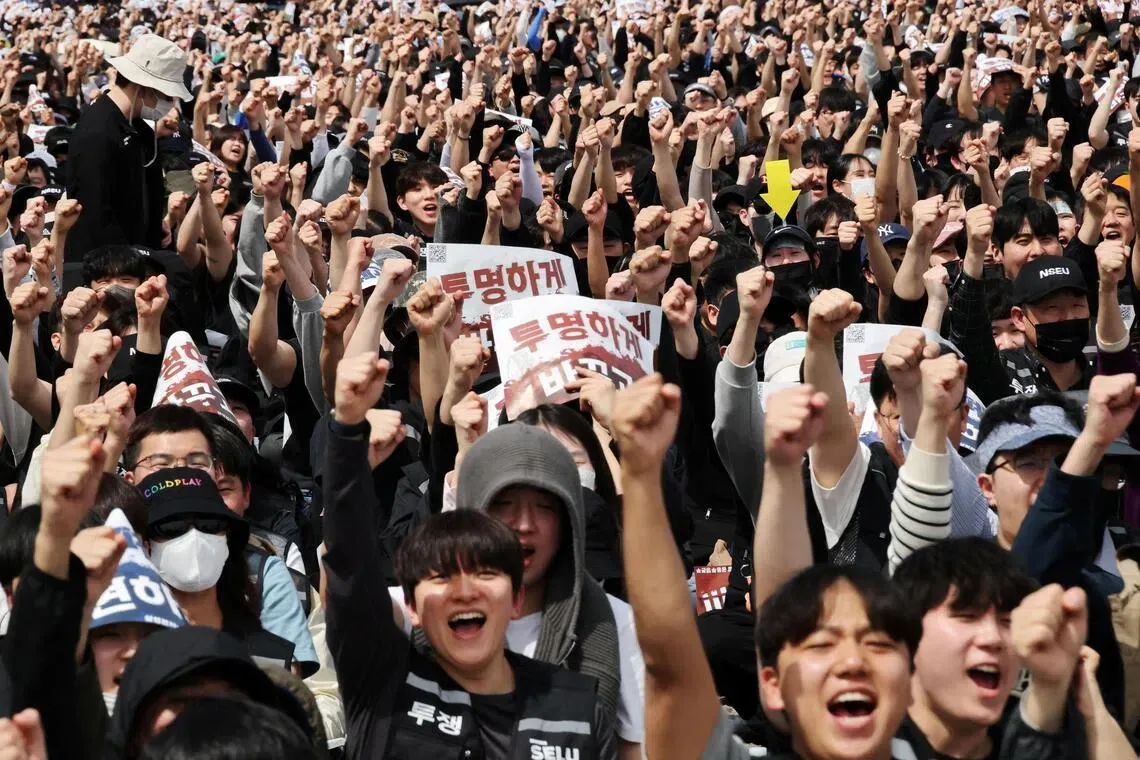
The Samsung labor union planned to resume pay talks with management on May 18 under government mediation, aiming to resolve differences [1, 2, 3, 4]. The union has threatened to strike starting May 21, demanding a greater share of profits [5]. On May 18, a South Korean court issued a partial injunction limiting the strike’s impact. The union’s industrial action must not reduce production volume or degrade material quality, ensuring some level of ongoing output [5].
Emergency arbitration in South Korea can suspend industrial action for 30 days while mediation and arbitration proceed. It is rarely used and would mark an extraordinary step by the current administration to avoid a strike at such an influential company [1, 2, 3, 4]. The Samsung union pledged to negotiate in good faith to reach an agreement with management [1, 2, 3, 4].
Samsung and its labor union resumed pay talks on May 18 with a government mediator present, seeking to prevent the strike scheduled for May 21 [1, 2, 3, 4].