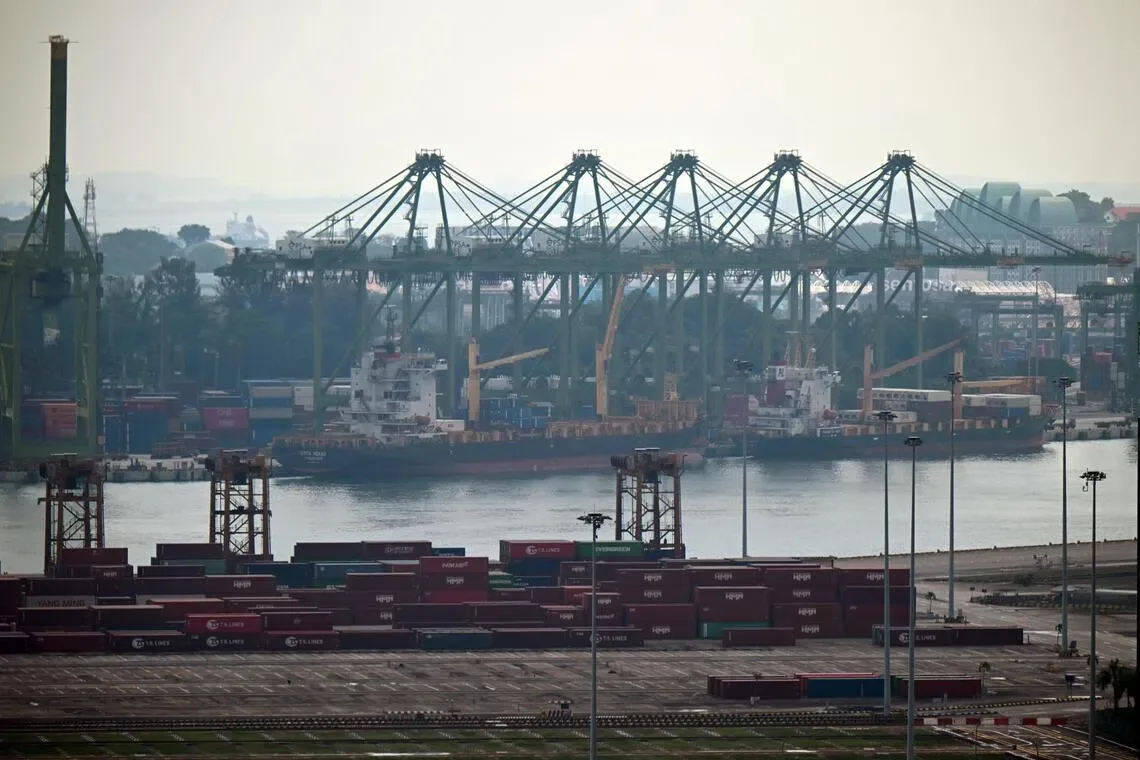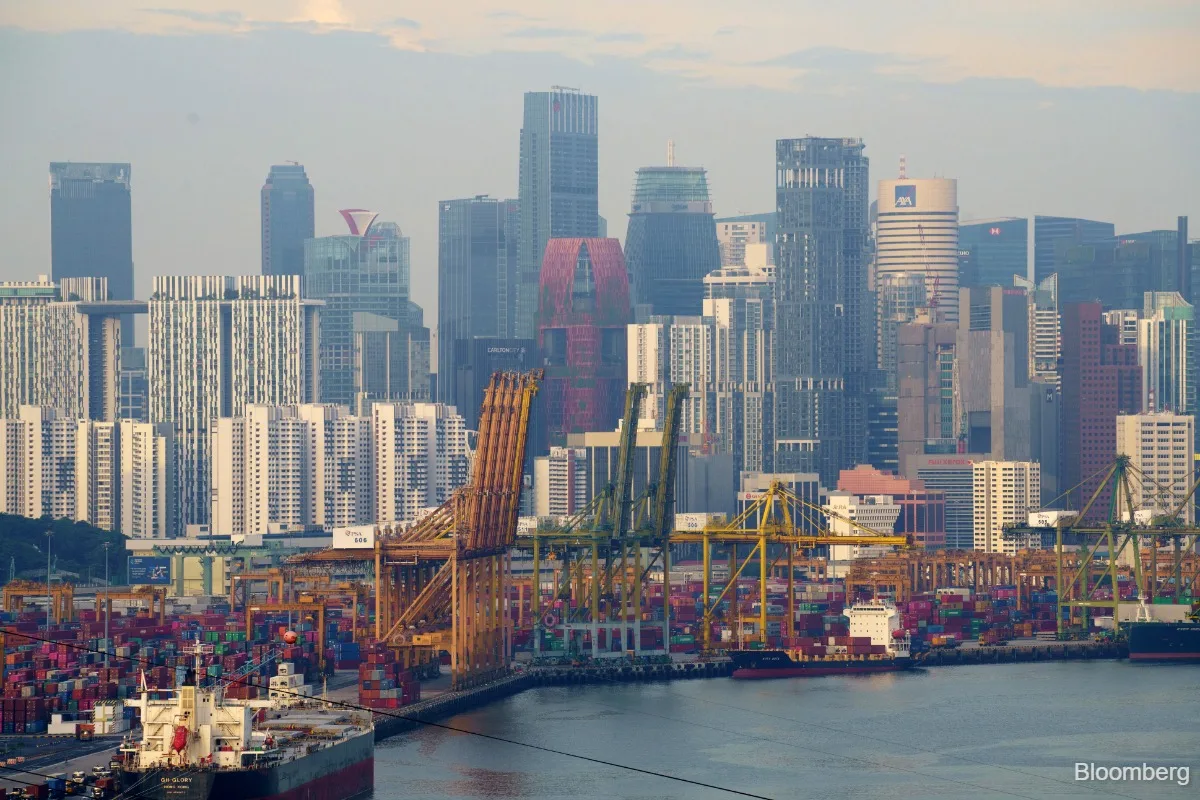
Singapore's non-oil domestic exports (NODX) rose 24.5% year on year in April 2026, exceeding expectations of around 11% growth and extending the 15.3% increase seen in March [1, 2, 3, 4, 5, 6, 7]. The substantial rise was largely led by electronic exports, which climbed 66.7%, driven by integrated circuits, disk media products, and personal computers amid strong global demand linked to artificial intelligence technologies [1, 2, 3, 4, 5, 6, 7]. Specifically, integrated circuits exports grew by $1.5 billion, disk media products by $0.7 billion, and personal computers by $0.3 billion in April [1, 2, 3]. Despite slowing slightly from March's 73.9% surge, electronics remained the powerhouse behind the export gains.
Non-electronic exports also rebounded strongly, rising 10.9% after a 0.6% decline in March, bolstered by a 97.1% jump in pharmaceutical shipments and growth in specialised machinery and measuring instruments [1, 2, 3, 5, 6, 7]. Pharmaceuticals contributed an additional $0.8 billion to export values, highlighting their growing role in non-electronic NODX [5, 6, 7]. Total exports, including oil exports and non-oil re-exports, expanded by 31.8% in April, with oil exports alone up 55.2% [5].
Key markets showed strong demand for Singaporean goods. Exports to the United States increased by 59.6%, China by 37.8%, and South Korea by 71.2% in April 2026 [1, 2, 3, 4, 5, 6, 7]. Conversely, NODX shipments to Indonesia fell sharply by 60.8%, continuing a decline from previous months [5, 6, 7].
Government initiatives are targeting broader AI adoption across the business sector. On May 20, Minister Josephine Teo announced an updated National AI Strategy aiming to help 10,000 enterprises adopt AI meaningfully over the next three years [8]. Two days later, Senior Minister of State Eric Tan revealed new partnerships to assist about 12,000 small and medium enterprises (SMEs) with AI adoption and cybersecurity, engaging companies such as RSM and Grab to support these efforts [9]. Teo said, "We will help 10,000 enterprises use AI meaningfully," highlighting the push for digital transformation [8].
While some Singapore-listed firms have yet to appoint dedicated chief AI officers, there is a strong push to integrate AI and automation within manufacturing and other sectors to boost productivity and competitiveness [10, 11]. However, AI-driven automation has also led to layoffs by global companies including Meta and Standard Chartered in Singapore, drawing public attention to workforce impacts and the need for retraining. Standard Chartered CEO Bill Winters noted the changes are "not cost-cutting" but a shift replacing "lower-value human capital with the financial capital and the investment capital we're putting in" [12].
Enterprise Singapore released the April export data on May 18, confirming the sharp growth pace [1, 2, 3, 4, 5, 6, 7]. The next major milestone will be ongoing efforts to scale AI adoption among businesses, accompanied by monitoring how digital changes will affect employment and sector dynamics in the months ahead.