Singapore will negotiate a free trade agreement (FTA) with the East African Community (EAC), a regional bloc composed of eight East African countries: Burundi, Democratic Republic of the Congo, Kenya, Rwanda, Somalia, South Sudan, Tanzania, and Uganda [1, 2, 3, 4]. This will be Singapore's first FTA with an African partner and the EAC’s first pact with a partner outside Africa [1, 2, 3, 4, 5, 6, 7].
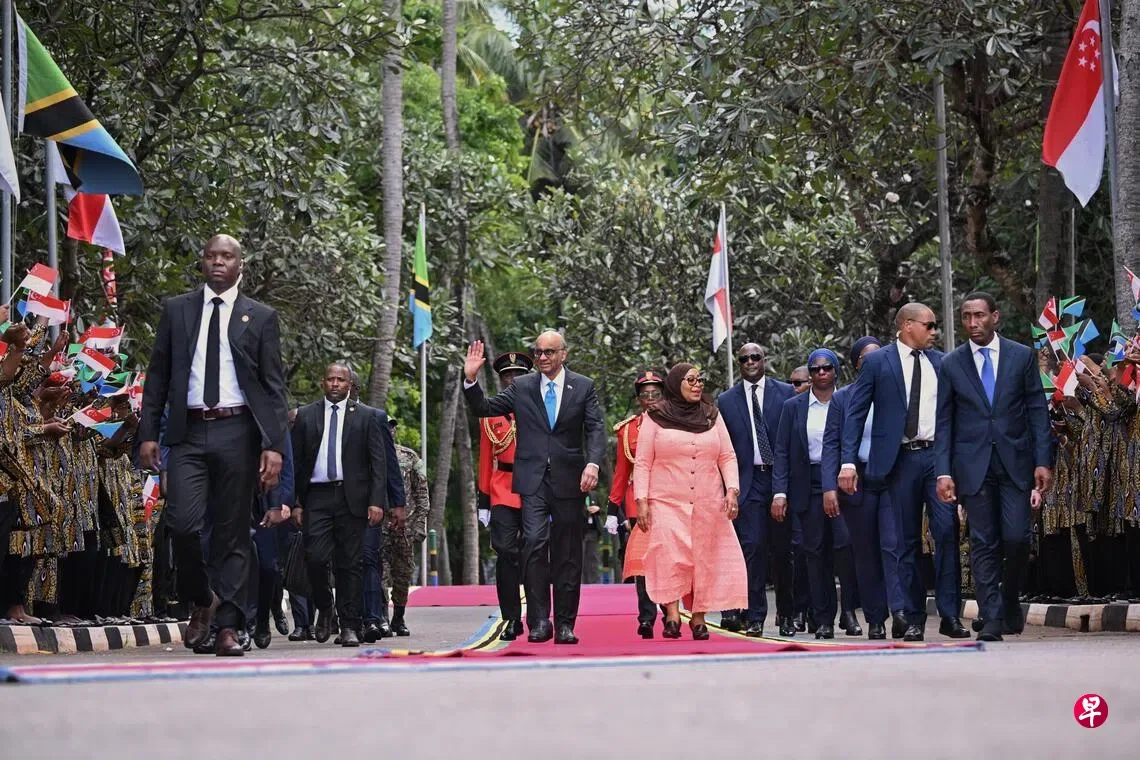
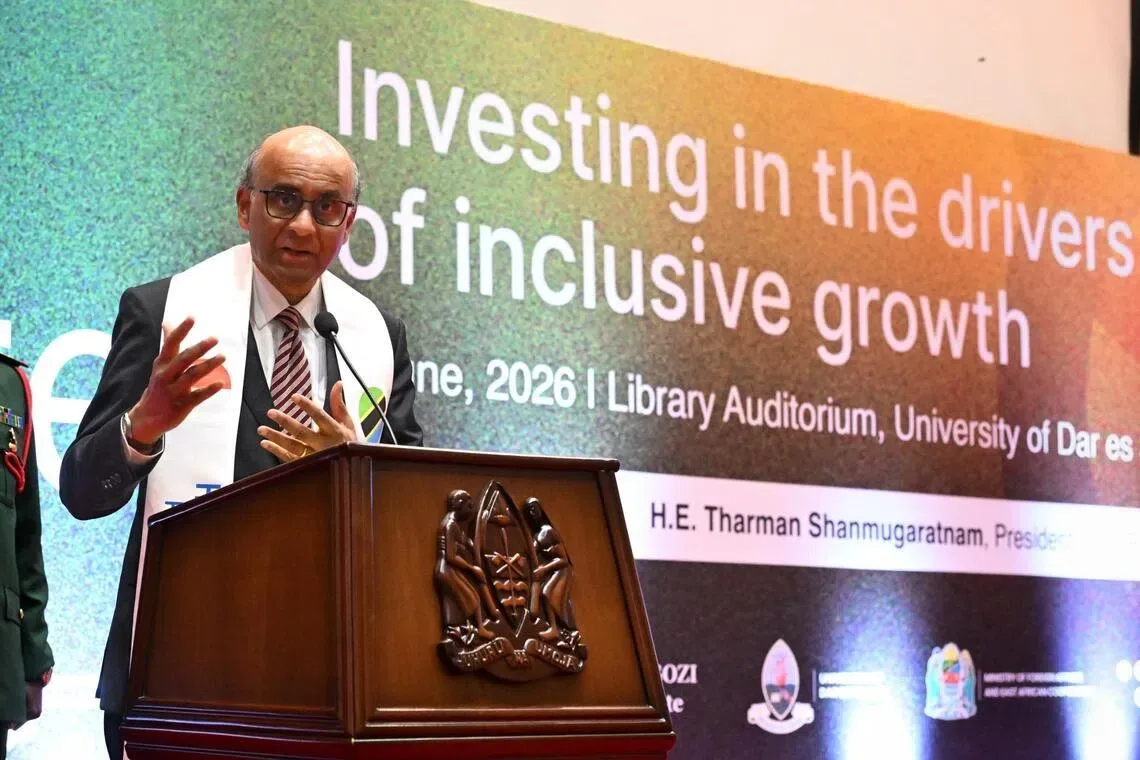
The announcement came on June 9 during Singapore President Tharman Shanmugaratnam’s state visit to Tanzania, which lasted from June 8 to 10 [1, 2, 3, 4, 5, 6, 7, 8, 9, 10, 11, 12]. At a joint business forum, President Tharman stressed the complementary strengths between Singapore and Tanzania, including building efficient systems, supply chains, and advancing the digital economy. He said, "If we can work this complementarity between our two economies well, it can create good jobs, higher capabilities, and inclusive growth" [5].
President Tanzanian Samia Suluhu Hassan welcomed the announcement, saying, "We welcome Singapore to enhance cooperation with the East African region with an FTA" [1]. The plan aims to improve trade flows and market access for goods and services between Singapore and the EAC countries, opening new growth areas such as the digital economy [1, 2, 3, 4, 5, 6, 7].
President Tharman described the FTA as a way to diversify trade amid geopolitical tensions and create bridges across regions. He said, "The EAC-Singapore FTA would be a timely move to diversify our trade networks amidst current geopolitical tensions" and called for greater understanding of East Africa, especially among young Singaporeans [1, 12]. He added that Singapore could provide East African exporters a gateway to the larger ASEAN market [3].
During his June 9 speech at the University of Dar es Salaam, President Tharman highlighted challenges facing African youth entering the workforce. The World Bank projects 500 million young Africans will enter the labor market in the next decade, but only 165 million may find formal jobs, creating a gap of 335 million [8, 9, 10]. He said, "Every capacity in government, amongst enterprises, and in the whole of society, has to bend at the knee of creating good jobs for the population" and urged public-private partnerships and education investment [9].
Singapore companies already operate in Tanzania across transport, logistics, trade, infrastructure, hospitality, and oil and gas sectors. Bilateral trade with Tanzania reached about SGD 227.7 million in 2025, making Tanzania Singapore's 12th largest African trade partner [2]. Tanzania also plans infrastructure projects such as a deep-water port at Mangapwani in Zanzibar and an industrial park, which could interest Singaporean firms [12].
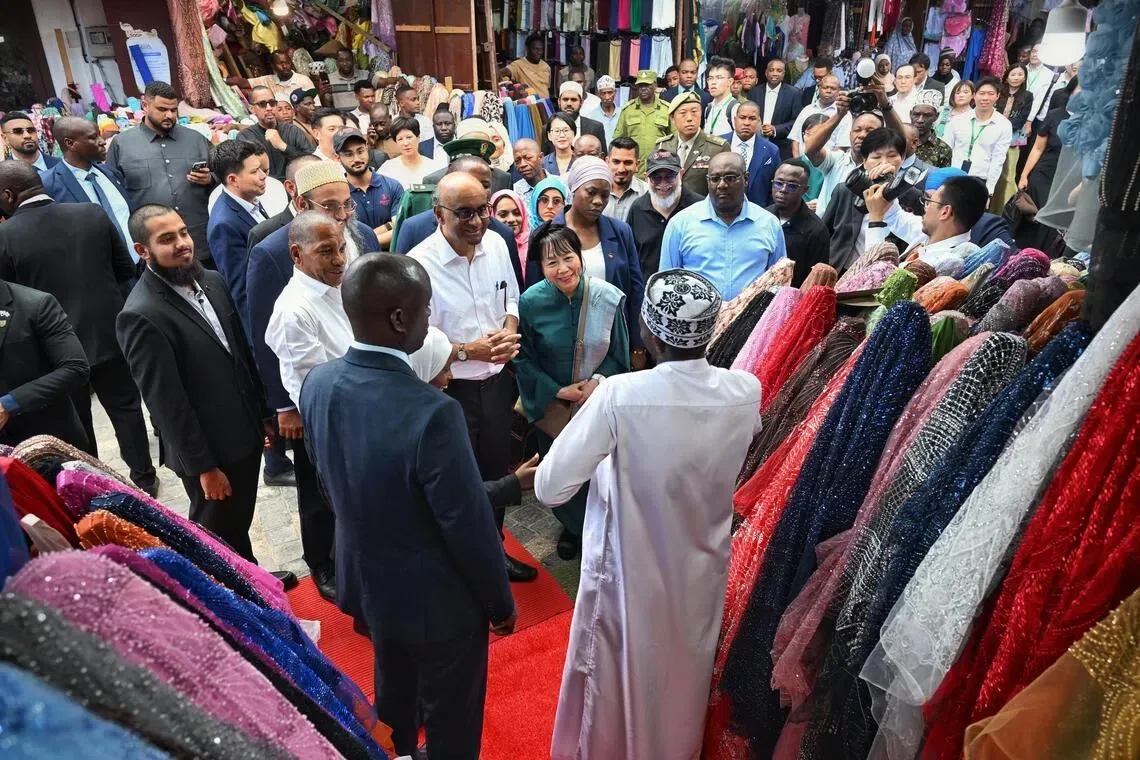
Multiple memoranda of understanding covering trade, tax, carbon credit trading, and personnel training were signed during the state visit [2]. President Tharman’s visit marks 45 years of diplomatic relations between Singapore and Tanzania [1, 2, 3, 4].
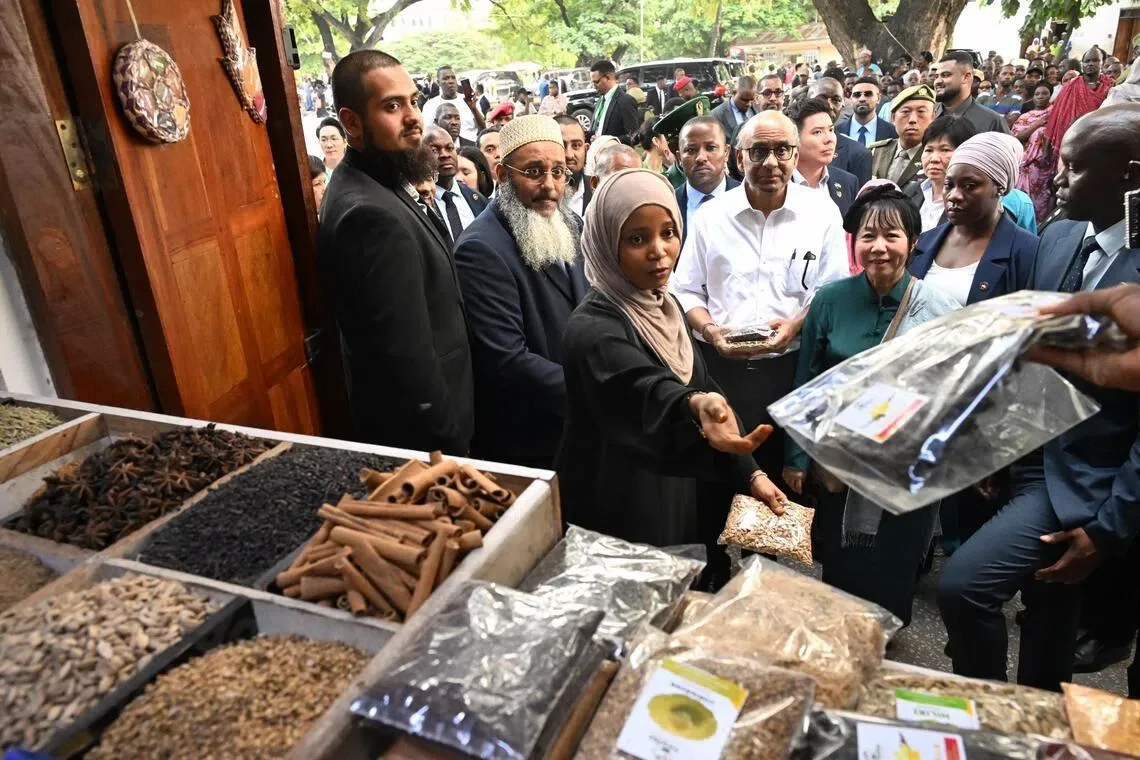
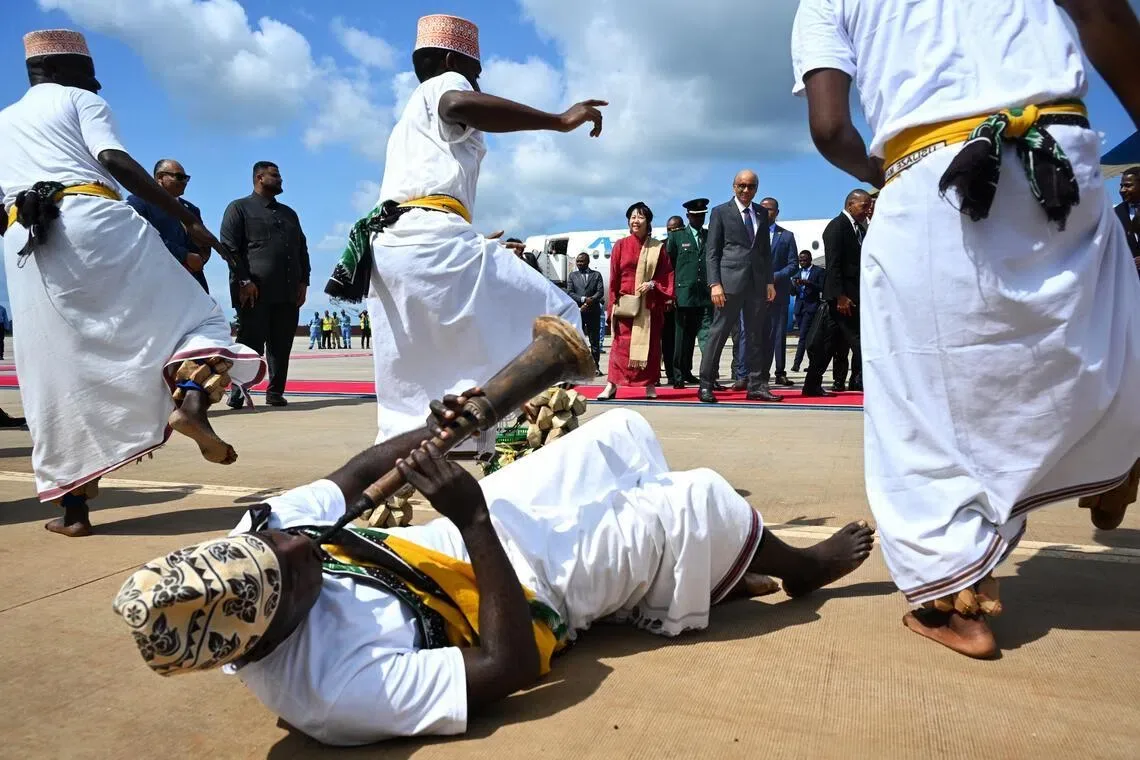
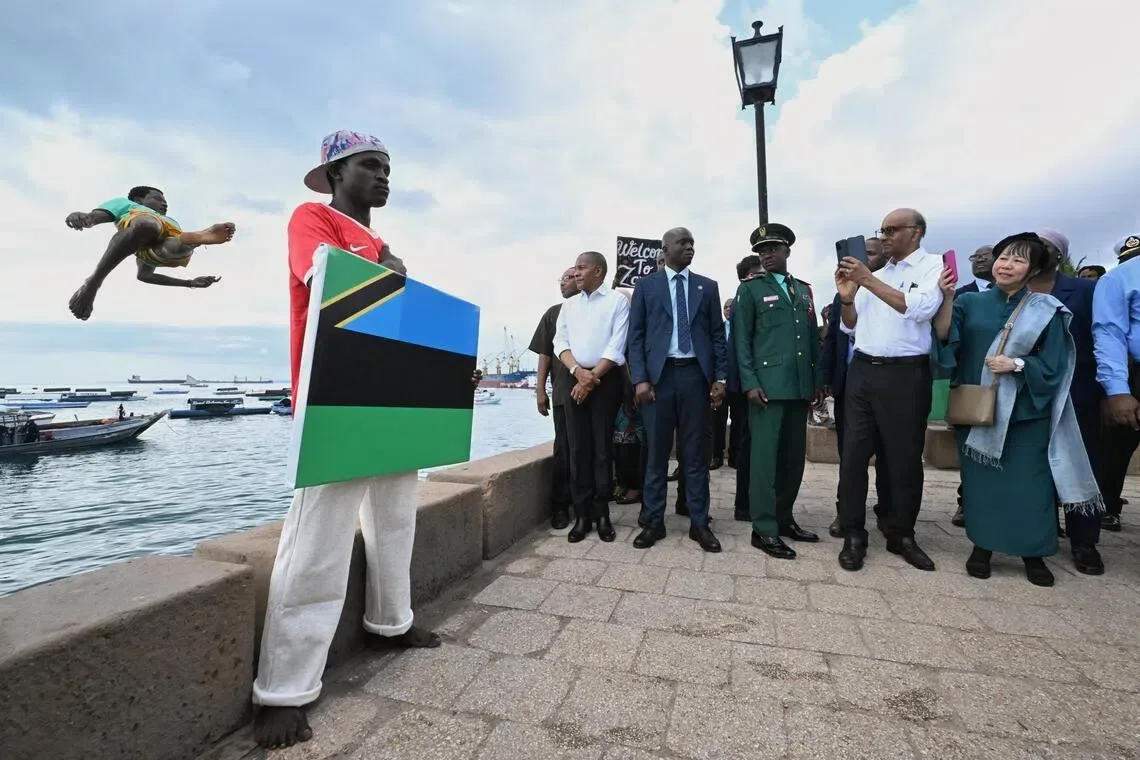
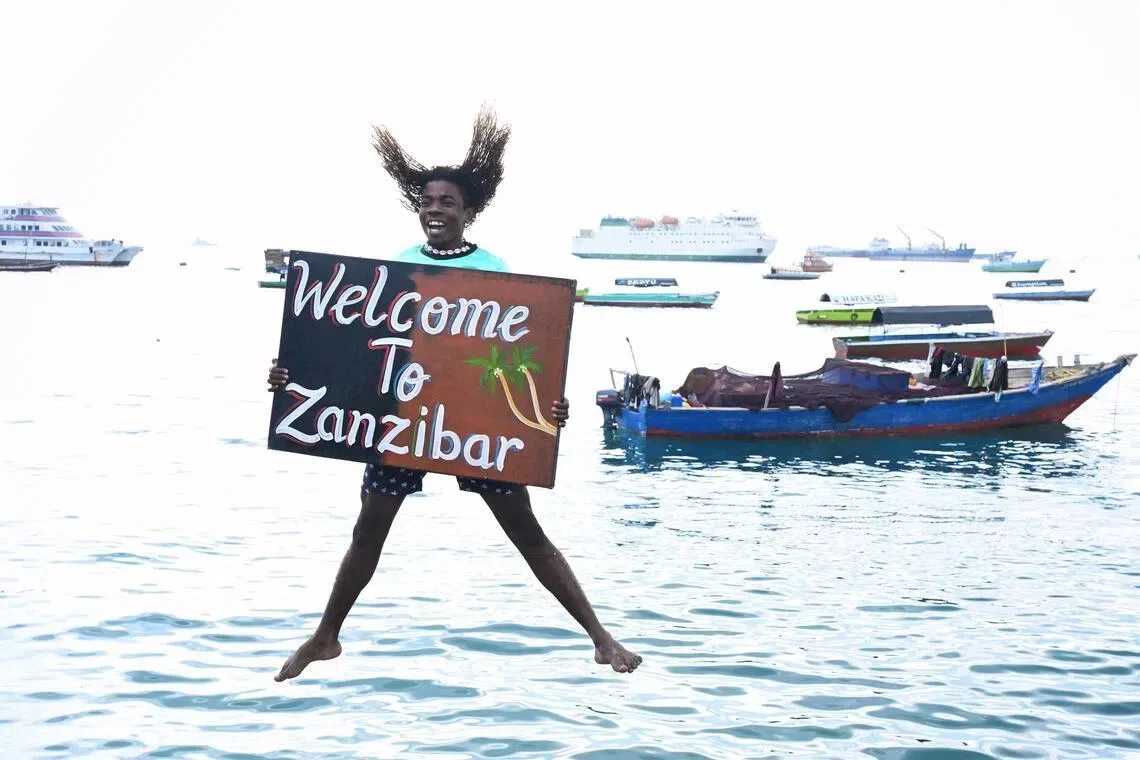
On June 10 in Zanzibar, President Tharman described East Africa as a "promising new frontier" for Singapore and reiterated the need for cooperation between Asia and Africa for inclusive growth [12]. Formal negotiations on the FTA are expected to begin following the groundwork laid during the visit.