Singapore Monetary Authority and the Institute of Banking and Finance, together with about 20 financial firms, will provide over 1,000 AI-focused internships and training positions in finance over the next year to university students across disciplines in years 2 to 4. The pilot programme is expected to begin in August 2026 [1].
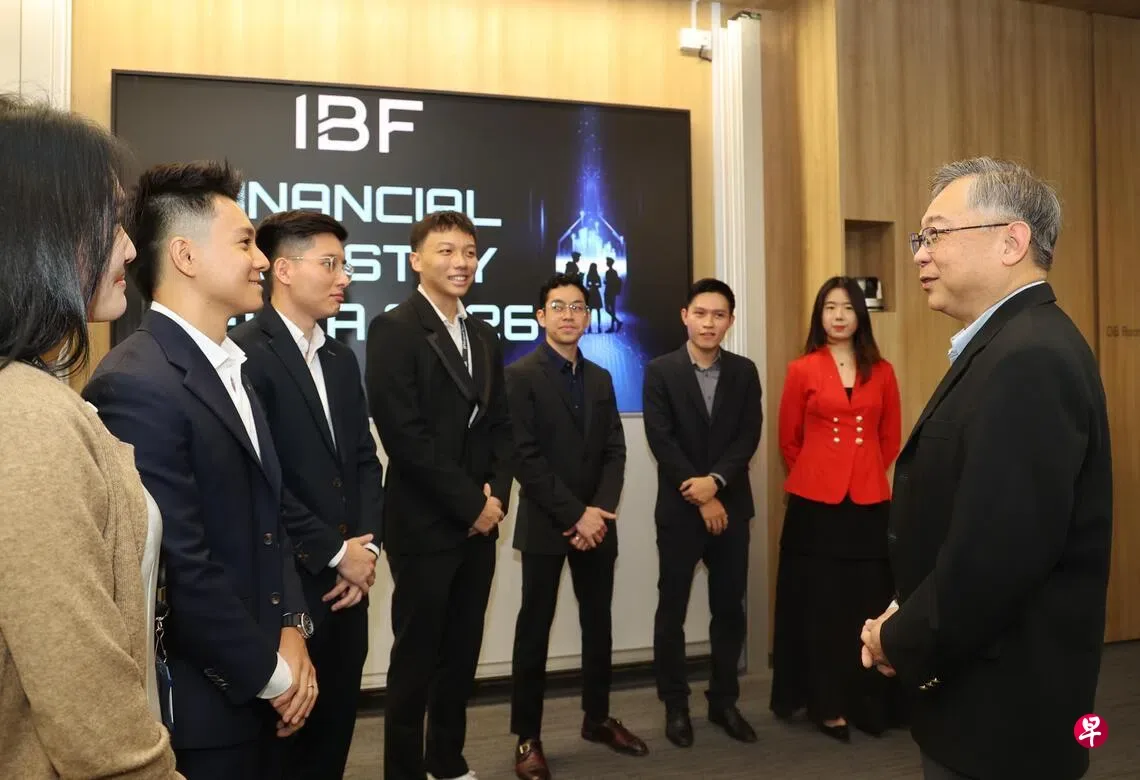
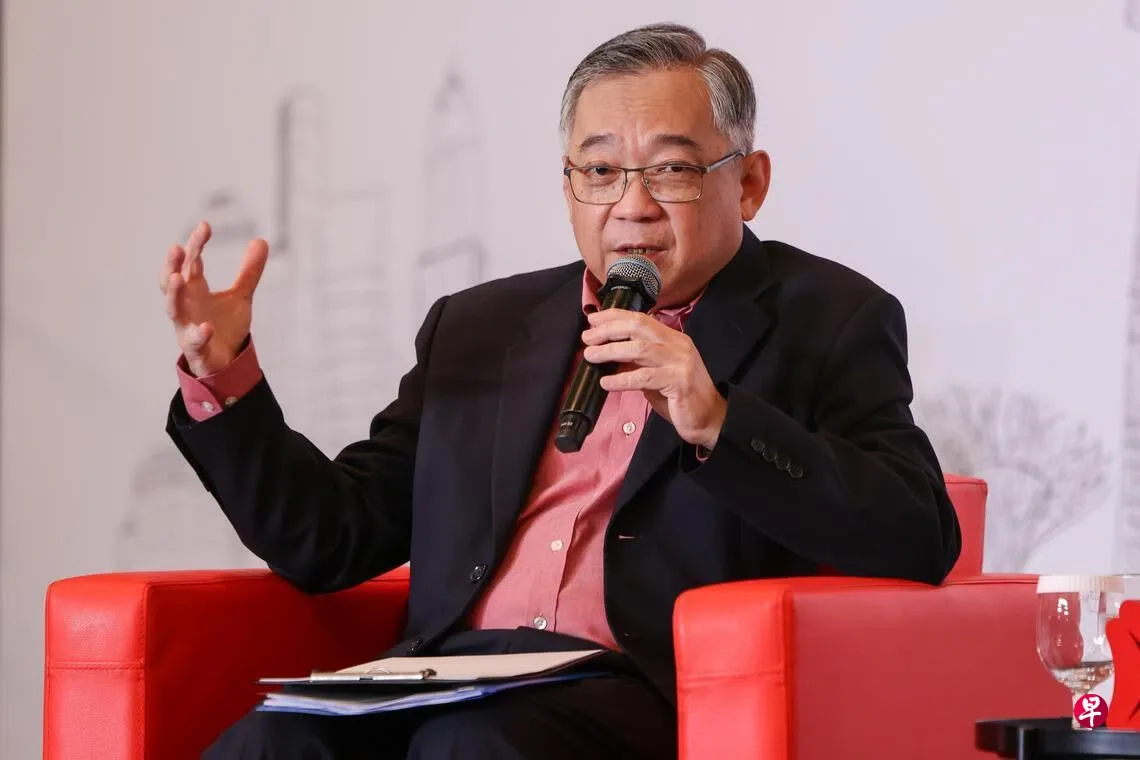
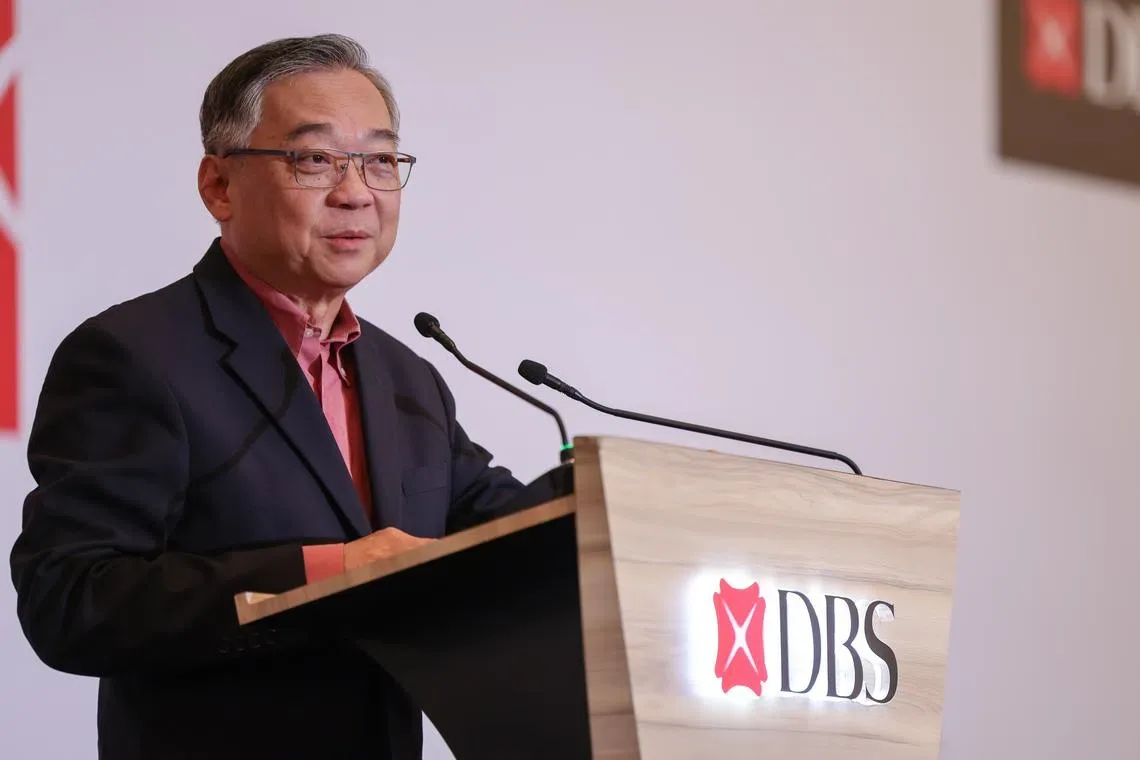
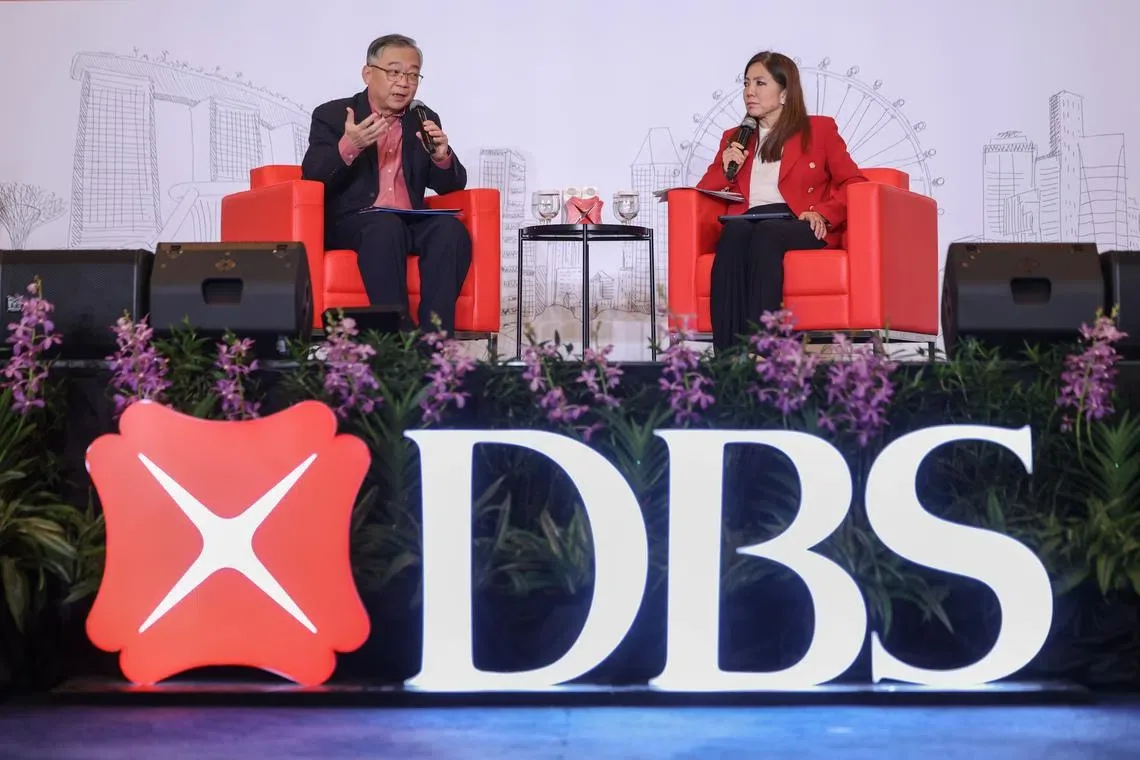
Deputy Prime Minister Gan Kim Yong announced the Young Talent Programme for AI in Finance at the IBF’s 2026 Financial Industry Fiesta on May 19. He emphasized the need for skills to “build AI systems” and “connect technology and business” so AI can solve real business problems [1]. He added that Singapore aims to be “the trusted AI financial hub – a place where financial institutions can innovate with confidence, where risks are managed seriously, and where clients know that technology is being used responsibly” [2].
The financial sector accounts for roughly 14% of Singapore's economy and employs about 200,000 professionals, over 80% of whom are residents [1]. Singapore ranks among the world’s most AI-ready financial hubs, topping the trust score with 19 out of 20, though its AI talent score is 15 out of 20, below the perfect ratings held by New York and San Francisco [2, 3, 4].
The government plans to collaborate with industry to develop career pathways in emerging AI roles including AI implementation, model validation, data governance, cyber risk, and fintech. It will also focus on reskilling and job placement for workers disrupted by AI-driven changes [2, 3, 4]. Employers are urged to embrace continuous training to stay competitive and keep pace with evolving technology and business conditions, with Gan warning, “If your workers are not training and upgrading... the company will begin to fall behind” [2, 3, 4].
Singapore’s trust infrastructure, coordinated governance, digital identity systems, and broad AI adoption across financial institutions give it a unique advantage as a trusted AI hub. However, challenges remain, including legacy systems, fragmented data, capability gaps, and the need for organizational change [5, 2, 3, 4]. Despite ranking lower than London and New York in cross-border capital, Singapore’s “trust premium” continues to attract capital and talent [5].
To boost AI talent development, Nanyang Technological University, five polytechnics, and financial institutions are exploring finance-related degree courses focused on AI support [1].
The AI internship programme pilot phase is set to start in August 2026, marking the first step toward strengthening Singapore’s position as a trusted AI financial hub through workforce development and responsible AI adoption [1].