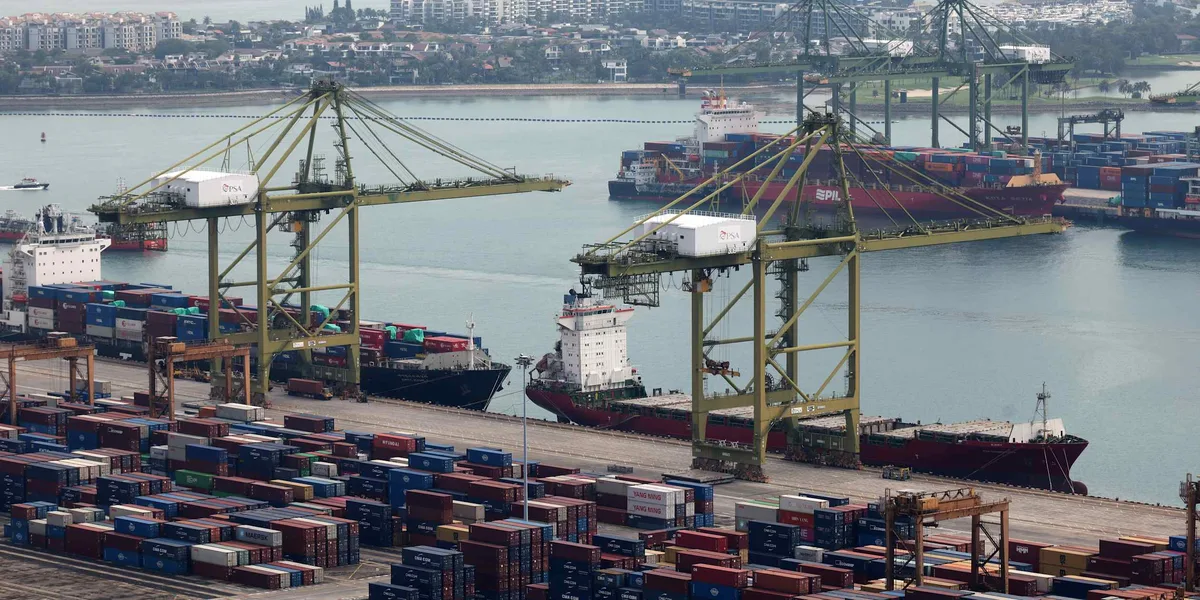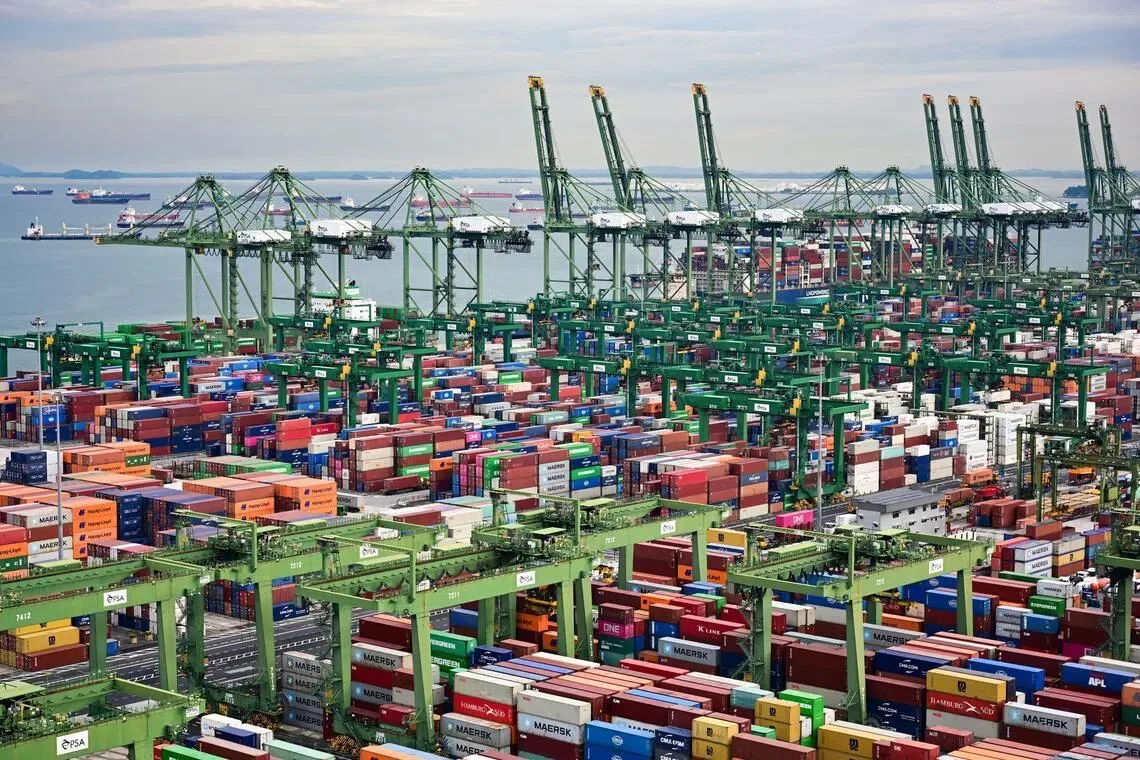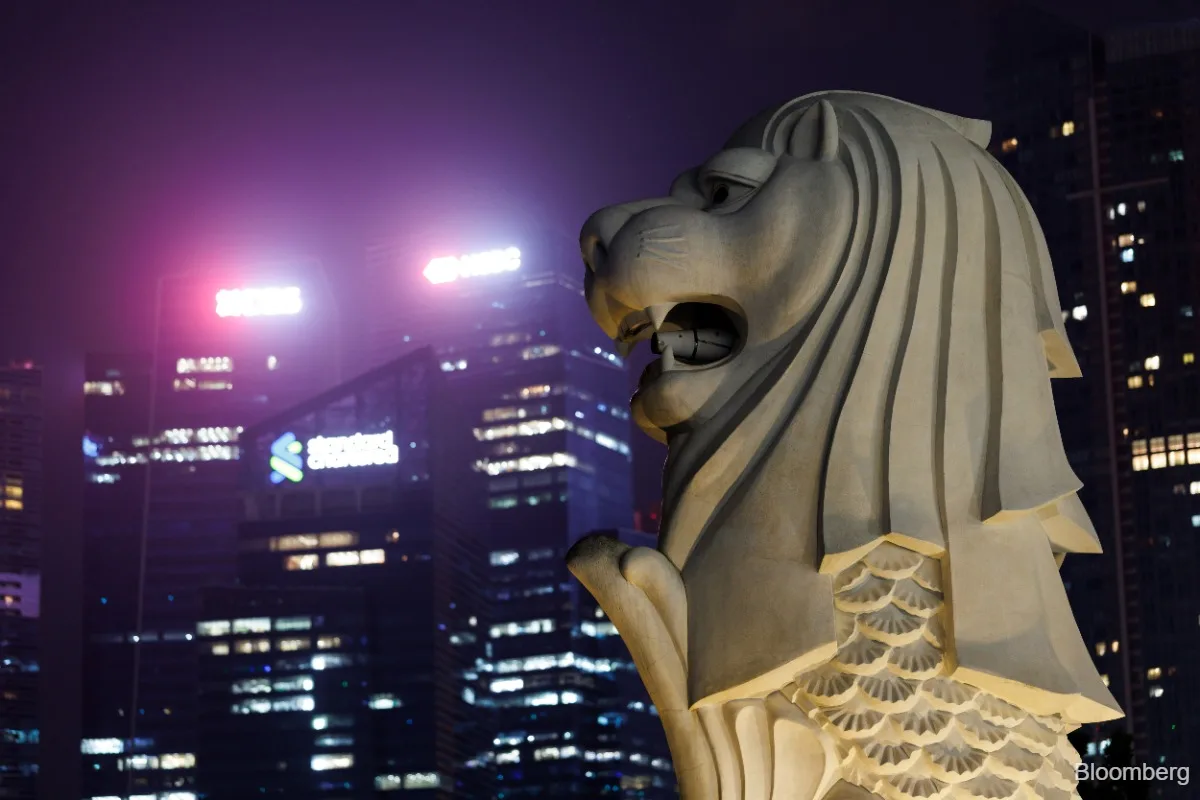
Singapore’s economy expanded 6% year-on-year in the first quarter of 2026, surpassing earlier estimates of 4.6% to 4.9%, the Ministry of Trade and Industry (MTI) said on May 25 [1, 2, 3]. The seasonally adjusted quarter-on-quarter growth was 1%, down from 1.3% in the previous quarter [1, 4, 3]. Despite the strong start, MTI kept its full-year GDP growth forecast at 2 to 4%, the range it raised in February from 1 to 3%, citing risks from the US-Israel-Iran conflict and supply disruptions [1, 2, 5, 3]. MTI said downside risks have increased significantly and will monitor conditions closely, adjusting forecasts if needed [1].
Strong demand related to artificial intelligence (AI) supported growth in key sectors. Manufacturing expanded 7.9% year-on-year in Q1, led by electronics, precision and transport engineering, and general manufacturing [2, 6]. Wholesale trade rose 11.7%, driven by machinery, equipment, electronics, and telecoms demand [2, 6]. Finance and insurance sectors showed broad-based growth across banking, fund management, and securities dealing [1, 2].
However, the fuel and chemicals segments contracted due to higher crude oil prices and supply issues linked to the Middle East conflict [1, 2, 6, 3]. Non-electronics exports declined 3.5%, reversing previous quarter gains, while electronics shipments surged 57.8% quarter-on-quarter, boosting non-oil domestic exports (NODX) which grew 9.6% in Q1 [7, 8]. Enterprise Singapore raised its 2026 NODX growth forecast to 3-5%, citing resilient global economy and strong AI demand [7, 8]. Enterprise Singapore said, "Since the last update, the global economy has remained more resilient than expected, supported by robust AI-related demand" [7].
Manufacturing output jumped 17.6% year-on-year in April 2026, driven by a 44% surge in electronics production [9]. The labour market remained resilient despite a slight unemployment rise to 2.1% in March. MTI chief economist Yang Yiwei said, "整体而言,第一季劳动力市场相当有韧性" (Overall, the labour market remained quite resilient in Q1) [10]. Still, hiring sentiment has softened amid economic uncertainties [10].
Private sector economists have raised growth projections above the official range. Malayan Banking lifted its 2026 GDP forecast from 3.4% to 4.2%, while BMI Research increased its estimate to 4%, citing strong Q1 performance despite high energy costs and geopolitical risks [6, 11]. BMI noted, "虽然面临中东战争风险,但这股动能依然持续" (Although facing Middle East war risks, this momentum continues) [11].