Changi Airport and Singapore Airlines (SIA) have temporarily boosted Asia-Europe flight capacity due to the closure of Middle East airspace amid ongoing geopolitical tensions. [1, 2, 3, 4]
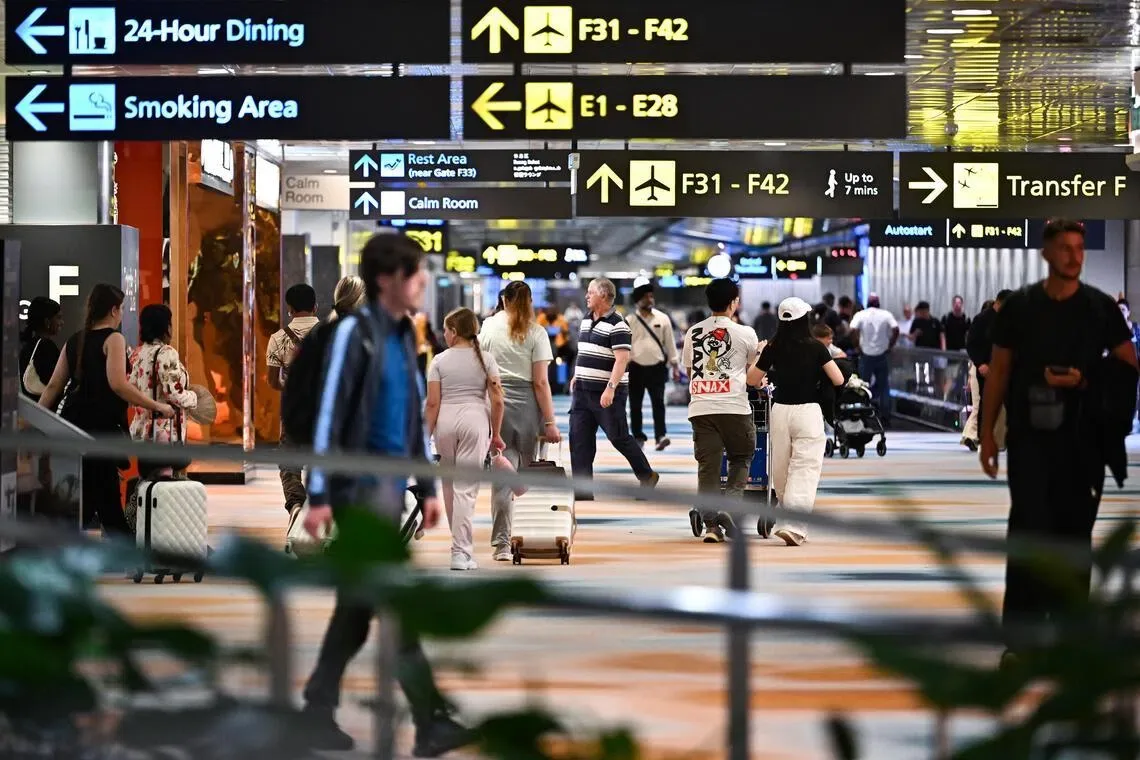
From March to May 2026, airlines launched more than 400 additional flights connecting Singapore with cities including Frankfurt, London, Munich, Paris, Perth, and Sydney to fill gaps left by Middle Eastern carriers cancelling services. [1, 2, 3, 4] Singapore Airlines deployed larger aircraft, including the 471-seat Airbus A380 on Frankfurt routes, alongside Boeing 777s with 264 seats, to handle increased demand. [1, 2, 3, 4]
SIA plans to increase frequencies later this year to Manchester, Milan, Munich and London Gatwick, extending its expanded presence beyond the initial surge period. [1, 2, 3, 4]
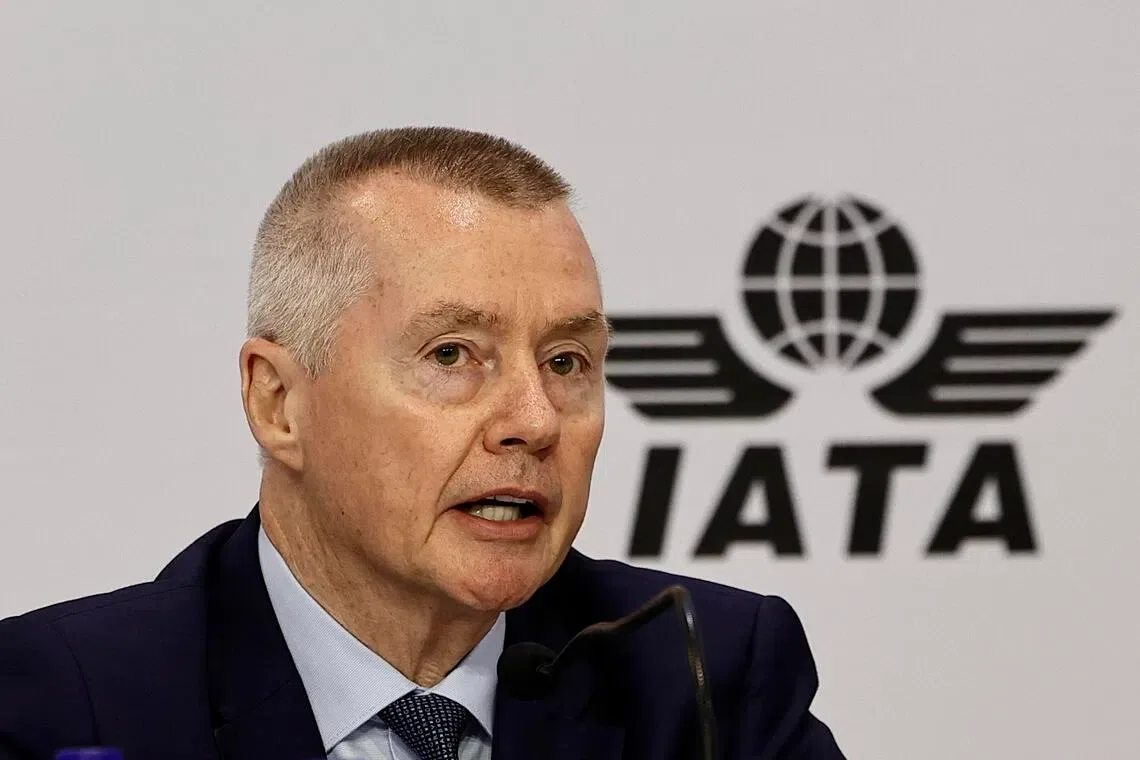
IATA Director-General Willie Walsh said at a June 9 media roundtable during the IATA annual general meeting in Rio de Janeiro that these benefits are temporary. "These benefits are temporary and will not make a long-term difference because the Gulf hubs will recover once stability is restored in the region," he said. [1] He also acknowledged Singapore Airlines’ efforts, saying "Singapore Airlines’ actions had temporarily strengthened Singapore’s position as an air hub." [1]
Walsh added that Changi Airport benefits from this disruption "even if it could be partially exposed to the loss of services from some smaller airlines," noting that Cebu Pacific and Thai Lion Air reduced flights to Singapore from Cebu and Phuket until end of October 2026. [4]
While increased flight times caused by reroutes add to costs, Walsh noted aircraft production delays are costing airlines billions and that jet fuel supply concerns should ease due to new refining capacity. [1, 2, 3]
The Singapore government postponed the rollout of its sustainable aviation fuel levy amid the regional disruptions. The levy will now apply to passengers departing from January 1, 2027, on tickets sold from October 1, 2026. [1, 2, 3, 4]
Until then, Singapore Airlines and Changi Airport will continue to operate with increased flight frequencies and capacity as Middle Eastern hubs remain affected. Greater Asia-Europe connectivity through Singapore is expected to persist during the latter half of 2026 before Gulf airspace is expected to reopen.