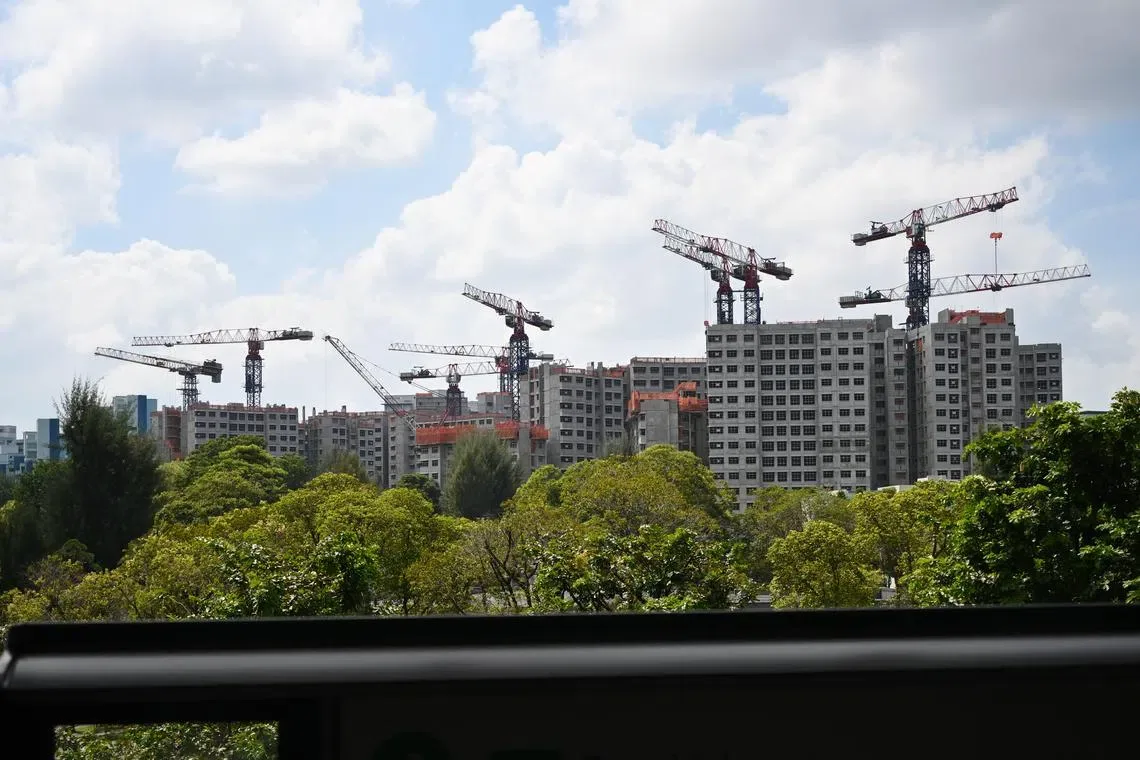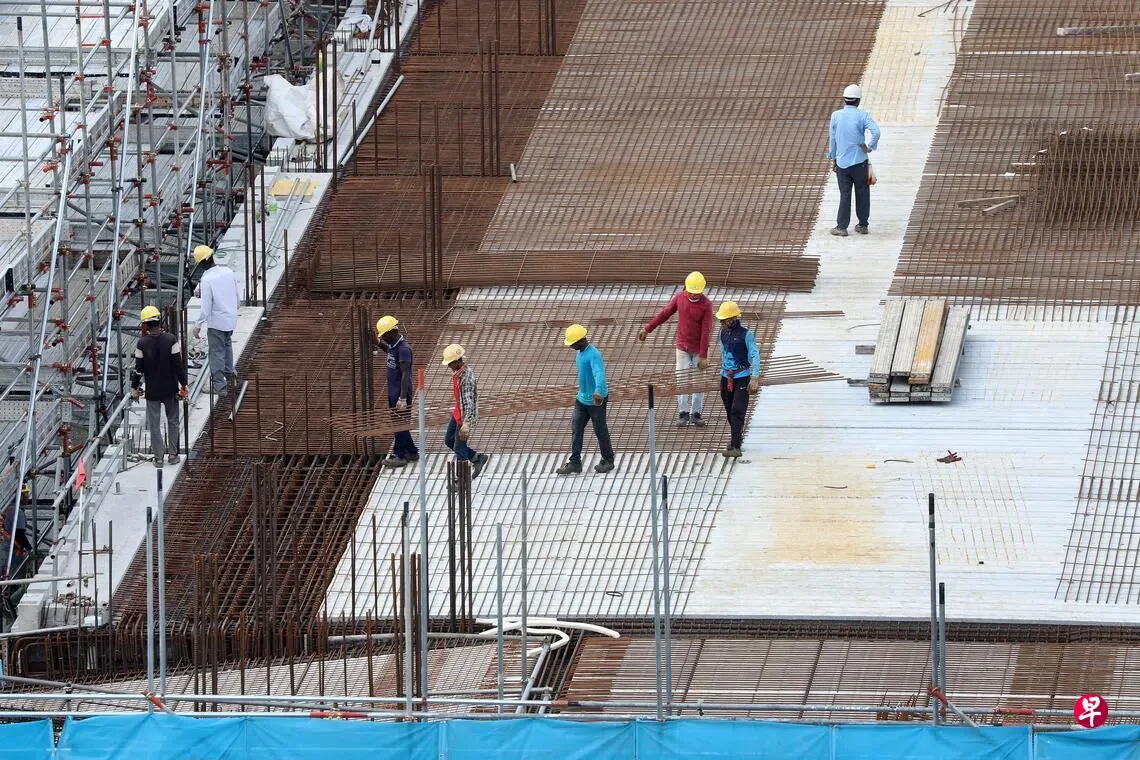
Singapore's Ministry of National Development (MND), Urban Redevelopment Authority (URA), and Building and Construction Authority (BCA) jointly announced new penalties for private housing developers delivering projects with serious safety issues or defects on May 22, 2026 [1, 2, 3, 4].
The measures include bans of up to five years on bidding for government land involving residential components such as residential, commercial-residential, hotel, and white sites under the new Land Sales Disqualification Framework [1, 2, 3, 4]. The authorities also introduced a Sales Suspension Framework allowing no-sale license conditions on future unlaunched projects by errant developers. These developers can continue construction but may not sell units during the suspension period [1, 2, 3, 4].
Serious defects that trigger penalties include regulatory breaches causing fire hazards or structural risks such as collapsing walls, as well as visible defects including broken windowpanes and cracked tiles [2, 3, 4]. Developers affected by the bans can still trade in private land sales like en bloc or collective sales between existing owners and developers [2, 3, 4].
URA said the new rules aim to strengthen deterrence against severe errant developer behavior to better protect home buyers [2]. Professor Sing Tien Foo noted the frameworks would help weed out short-term developers but would not impact most long-term builders who seek to uphold their reputations [2]. A spokesperson for the Real Estate Developers’ Association of Singapore (Redas) added that no members had been found non-compliant so far [2].
Most developers already meet quality standards associated with these frameworks, officials said [1, 2, 3, 4]. The measures take effect immediately following the announcement, reinforcing regulatory oversight on housing project quality in Singapore [1, 2, 3, 4].