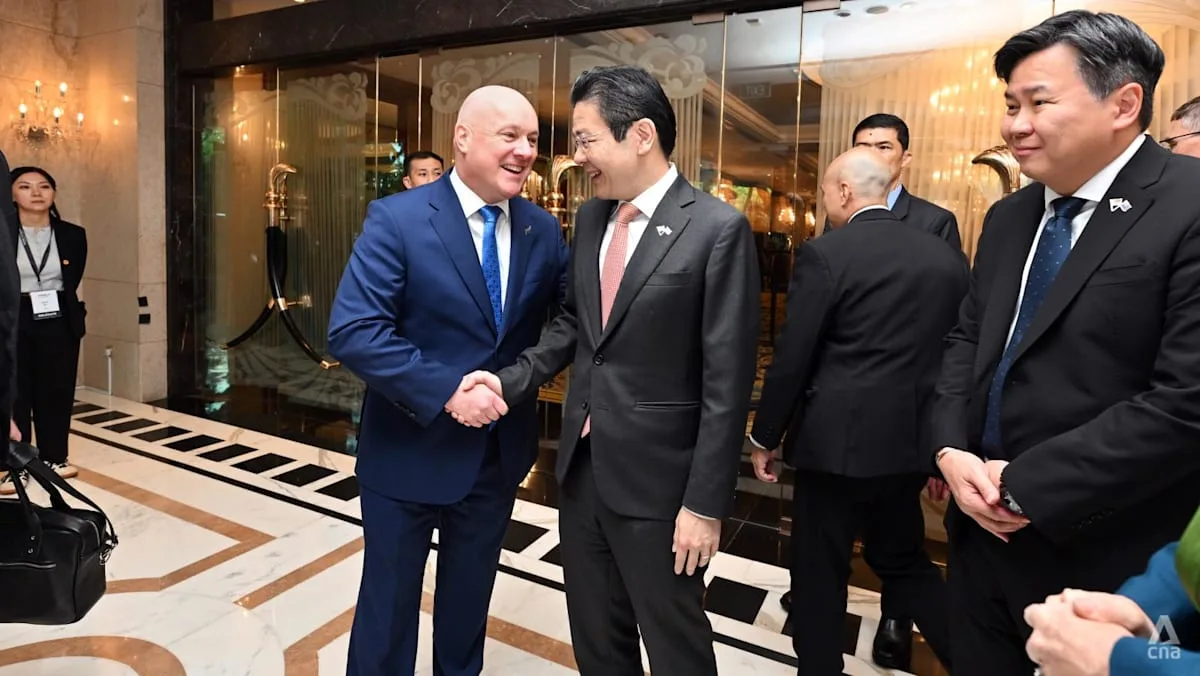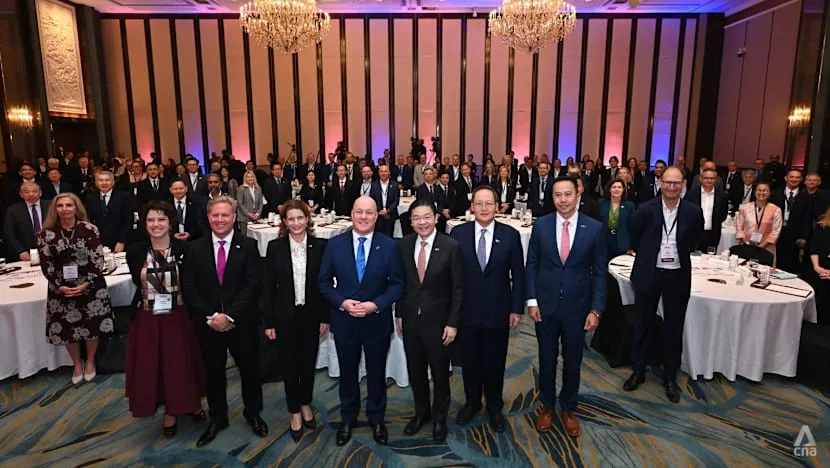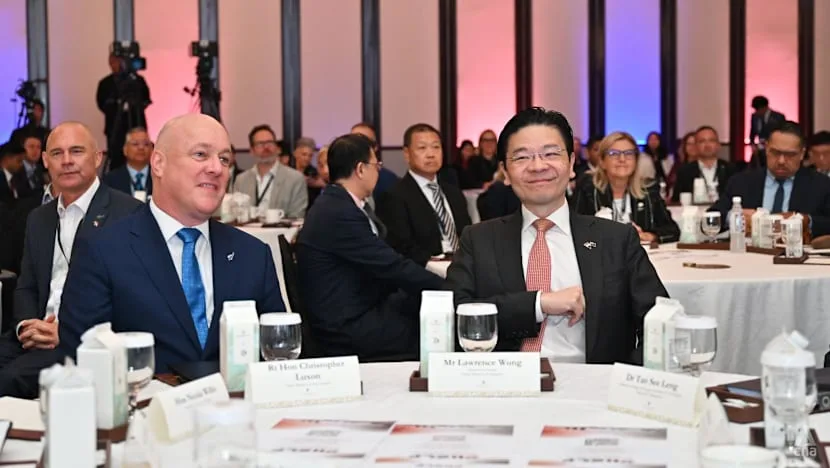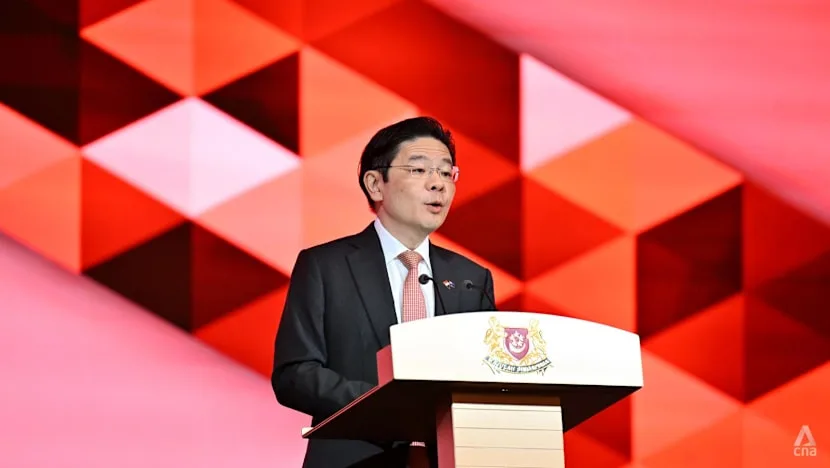
Singapore and New Zealand signed the world's first legally binding bilateral agreement to maintain supply chain resilience for essential goods including food, fuel, healthcare products, and chemical and construction materials on May 4, 2026, in Singapore [1, 2]. The pact was signed at the Singapore-New Zealand Annual Leaders' Meeting by Singapore's Minister-in-charge of Energy, Science and Technology Tan See Leng and New Zealand’s Minister for Trade and Investment Todd McClay, with the prime ministers of both countries witnessing the event [1, 2].
The agreement commits both governments not to impose unnecessary export restrictions on agreed essential goods [1, 2]. It also establishes a framework for facilitating the movement of goods, sharing information, and consulting each other before or during supply chain disruptions [1, 2]. The pact will take effect after completing domestic procedures in both countries and will be incorporated into their existing bilateral free trade agreement [1, 2].
Singapore Prime Minister Lawrence Wong said the pact signals trusted partners will keep faith even under strain to ensure essential goods keep flowing during crises. He said, "It means that even in times of crisis or shortages, we will keep essential goods flowing – food, fuel and other critical supplies. We will not shut each other out. And instead, we will work actively to keep trade moving." He added, "This matters because in difficult times, every country will be tempted to look inward. But when that happens, supply chains break down and everyone ends up worse off." He also said, "The agreement represents both countries' commitment to doing things differently – keeping markets open, continuing to trade essential goods and standing by each other when it matters most" [1].
New Zealand Prime Minister Christopher Luxon said, "It was reassuring that both countries were taking practical steps to strengthen their resilience, by keeping essential links open while continuing to advance an agenda focused on growth" [1].
The signing marks a new step in Singapore and New Zealand’s trade cooperation, aiming to secure supply chains for critical materials and products crucial for both countries' economies and populations [1, 2].