Singapore and New Zealand signed a legally binding bilateral agreement on May 4 to keep essential goods such as food, fuel, healthcare, chemical, and construction products flowing between the two countries during crises and supply chain disruptions [1, 2]. The agreement commits both sides not to impose unnecessary export restrictions on these supplies during emergencies [1, 2].
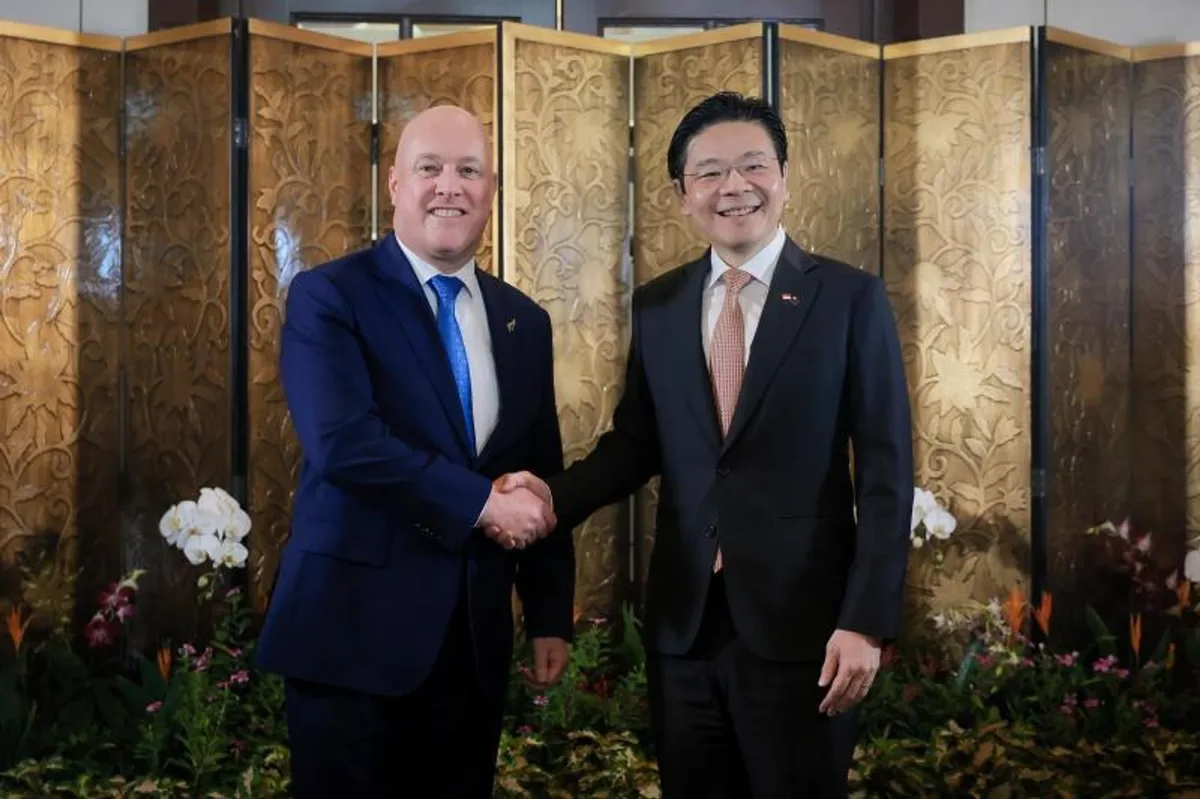
The deal creates a framework to facilitate the movement of goods, share information, and consult before or during supply chain disruptions [1, 2]. It marks the first such agreement globally for both countries [1, 2]. Singapore Prime Minister Lawrence Wong said, "We will not shut each other out. Instead, we will work actively to keep trade moving," emphasizing the pledge to "keep markets open, keep essential goods flowing, and stand by one another, especially when it matters most" [1].
New Zealand depends on Singapore’s refineries for about one-third of its fuel needs, including diesel critical to freight, farming, and food production [1]. Conversely, New Zealand supplies roughly 14% of Singapore’s food imports, with dairy products making up 31.6% of New Zealand’s exports to Singapore along with fruits, nuts, fats, oils, meat, and edible offal [1].
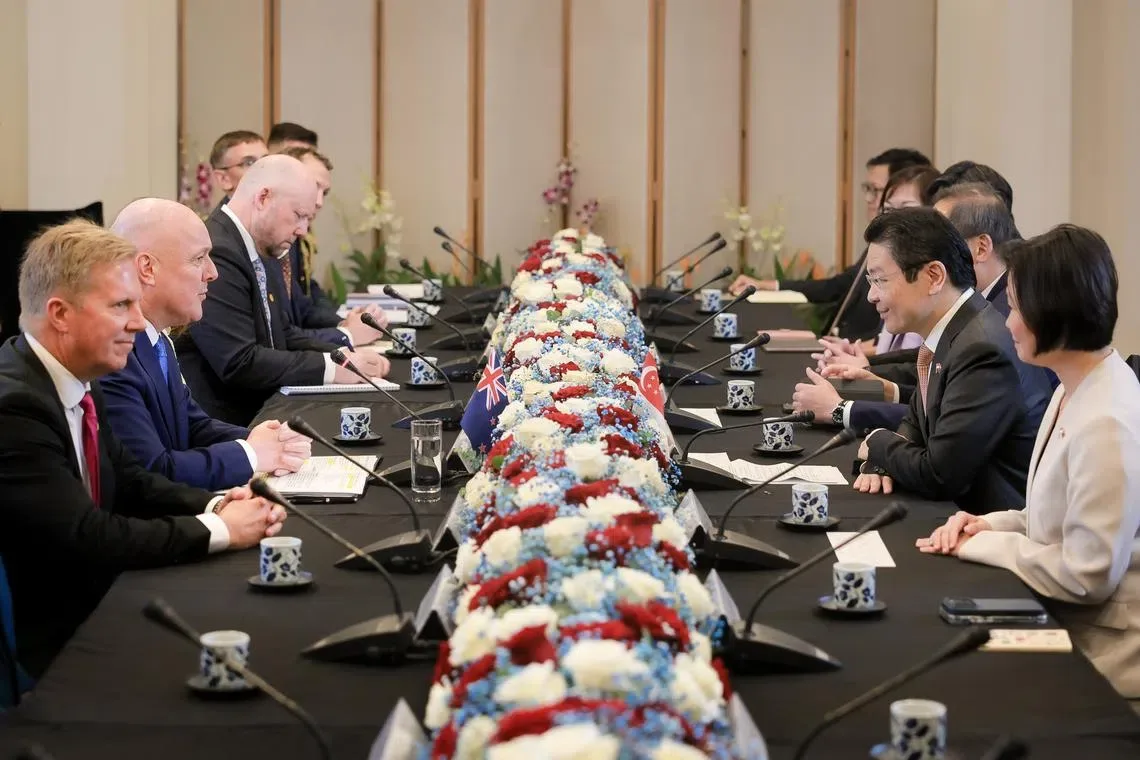
The agreement builds on the broader Comprehensive Strategic Partnership (CSP) the two nations elevated in October 2025 [2]. Besides trade, the leaders discussed cooperation in defense, security, healthcare, artificial intelligence, and the green economy [1, 2].
Wong highlighted the importance of the agreement by saying, "This matters, because in difficult times, every country will be tempted to look inward," underscoring the commitment to "do things differently" by maintaining openness and collaboration during crisis periods [2].
Singapore and New Zealand signed the agreement during a joint press conference attended by both prime ministers, formalizing a pact that aims to shield their bilateral trade from future global disruptions [1, 2].