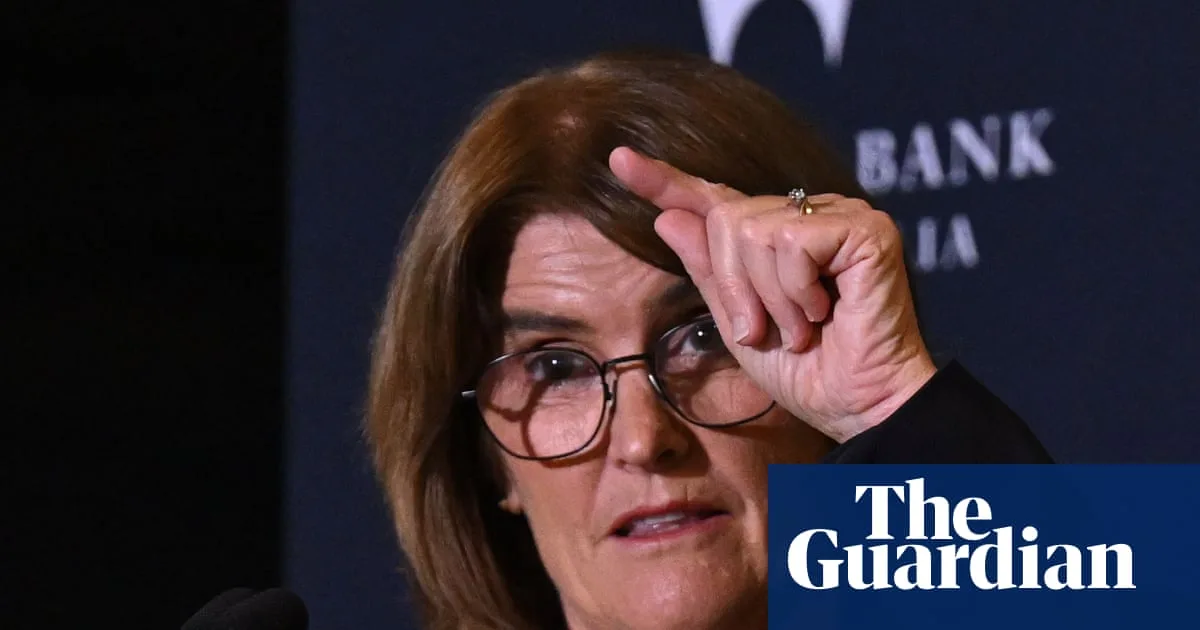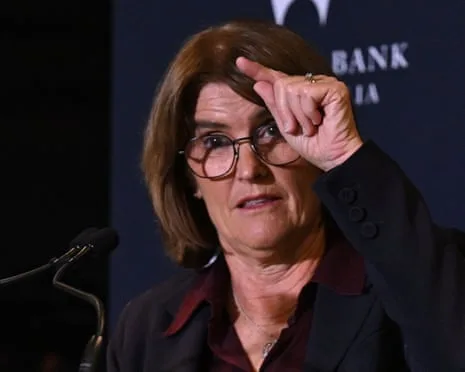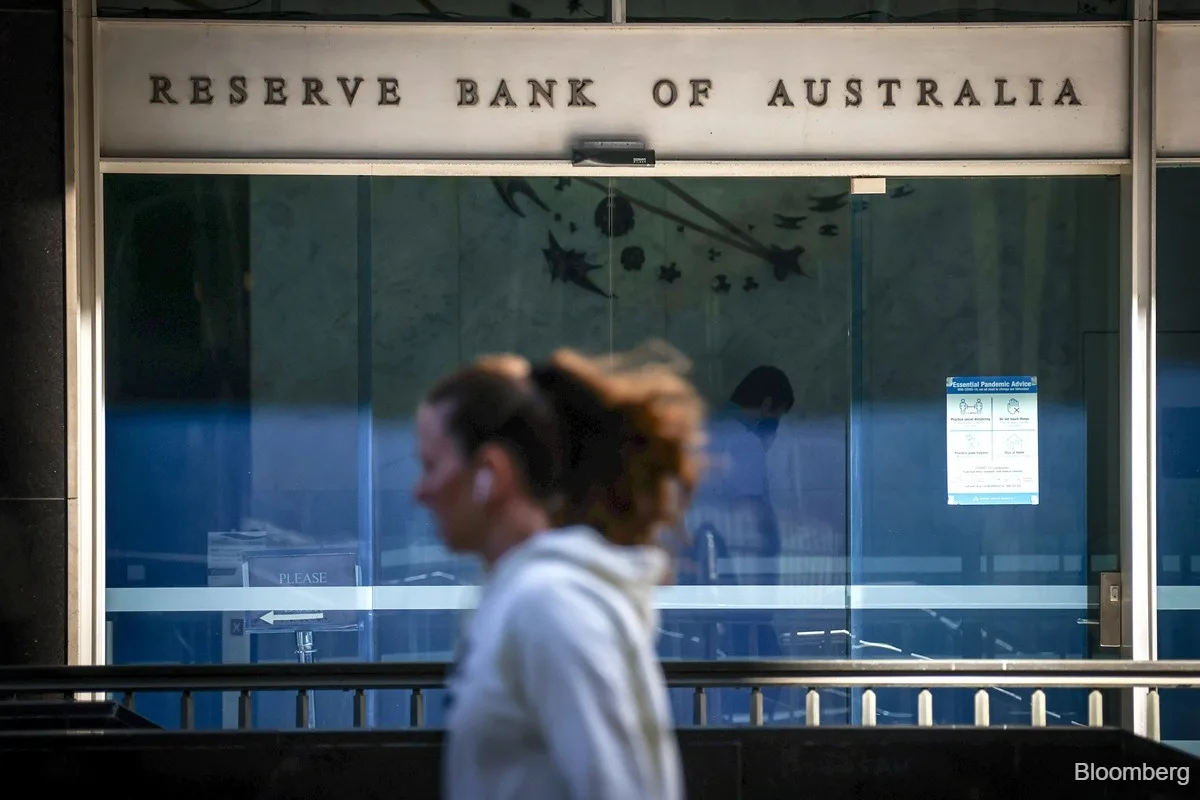
The Reserve Bank of Australia (RBA) held its official cash rate steady at 4.35% on June 16, 2026, ending a run of three consecutive increases earlier this year [1, 2, 3, 4, 5, 6]. Governor Michele Bullock said, "I want to be very clear that inflation remains too high. Today's decision does not rule out further tightening in monetary policy if that is what is required to bring inflation down" [3].
Economic data shows growth slowed sharply in the first quarter, with GDP rising just 0.3% compared to 0.9% in the previous quarter [1, 4]. Unemployment rose to 4.5% in May, the highest level since late 2021 [1, 2, 3, 4]. Higher mortgage repayments have added financial strain to households, with average monthly payments on new loans rising from $4,114 to $4,467 since the start of 2026 [1].
Underlying inflation remains elevated, with a trimmed mean measure at 3.4%, above the RBA's 2 to 3% target range [2, 5, 6]. The Board warned that global factors including the ongoing Iran conflict have pushed energy prices higher. "Resolution of the conflict in the Middle East is at an early stage, and there are plausible scenarios where inflation is higher and activity lower than envisaged under the May baseline forecasts," the RBA said. "Global oil supply issues will take some time to resolve, maintaining upward pressure on global energy prices and inflation" [2]. This follows a US and Israel attack on Iran in late February which closed the Strait of Hormuz and triggered fuel price spikes [1, 3, 5, 6]. A recently reported US-Iran peace deal remains at an early stage [2, 3, 5, 6].
Financial markets and economists remain divided on whether the RBA will raise rates later this year. Swaps markets imply about a 30% chance of another hike in August [2, 3, 5, 6]. Stephen Smith from Deloitte Access Economics said the central bank is "looking through a very cloudy outlook before deciding whether future meetings require more tightening, or simply more time" [5]. Prashant Newnaha of TD Securities noted that elevated trimmed mean inflation "makes any discussion of cuts to the cash rate premature" [7].
The next scheduled RBA meeting will be watched closely for signals on whether the bank will resume rate hikes to curb inflation or hold steady as growth slows and labor market pressures rise [1, 2, 3].