QatarEnergy announced it plans to restore liquefied natural gas (LNG) output to roughly 50% of capacity within one month of the Strait of Hormuz reopening, and to about 80% within two months, according to several sources [1, 2, 3, 4, 5].
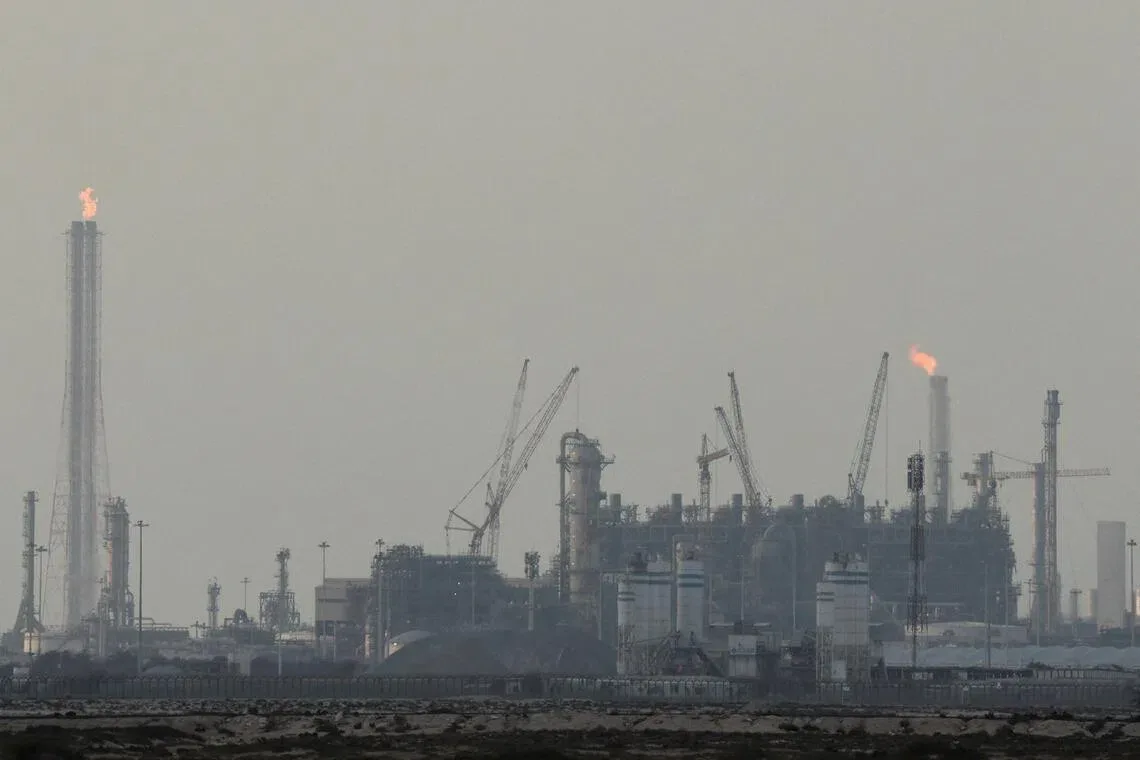
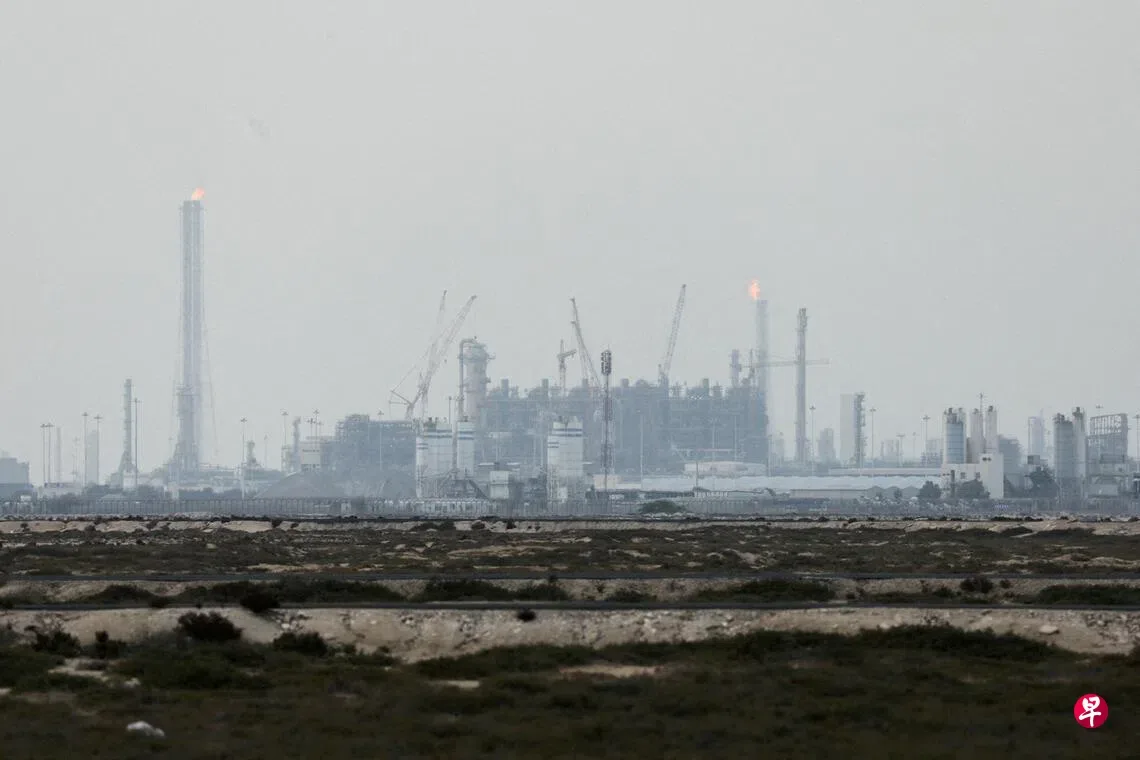
Qatar shut its Ras Laffan LNG complex, the world’s largest LNG production facility, in the first week of the war following Iranian missile strikes in March that damaged two production trains. These damaged trains will take three to five years to fully repair [1, 2, 3, 4, 5]. The Ras Laffan complex accounted for nearly one-fifth of the global LNG supply in 2025 [1, 3].
Since April, QatarEnergy has been testing equipment, carrying out maintenance, and operating some trains at reduced capacity in preparation for a rapid restart once safe passage through the Strait of Hormuz is restored [1, 2, 3, 5]. QatarEnergy has notified buyers about its recovery plans but Doha officials have not officially confirmed the timeline [1, 2, 3, 4, 5].
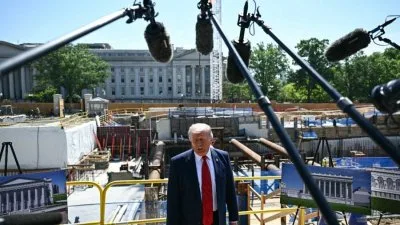
US President Donald Trump has said the Strait of Hormuz would reopen by June 19, when an interim agreement with Iran is expected to be signed in Switzerland. Trump stated, “Hormuz would be open by June 19, when an interim agreement is due to be signed with Iran in Switzerland” [1, 3, 5]. However, European allies and a senior US official remain cautious. They emphasize that mines still need to be removed from the waterway before safe shipping can resume fully [1, 3, 5].
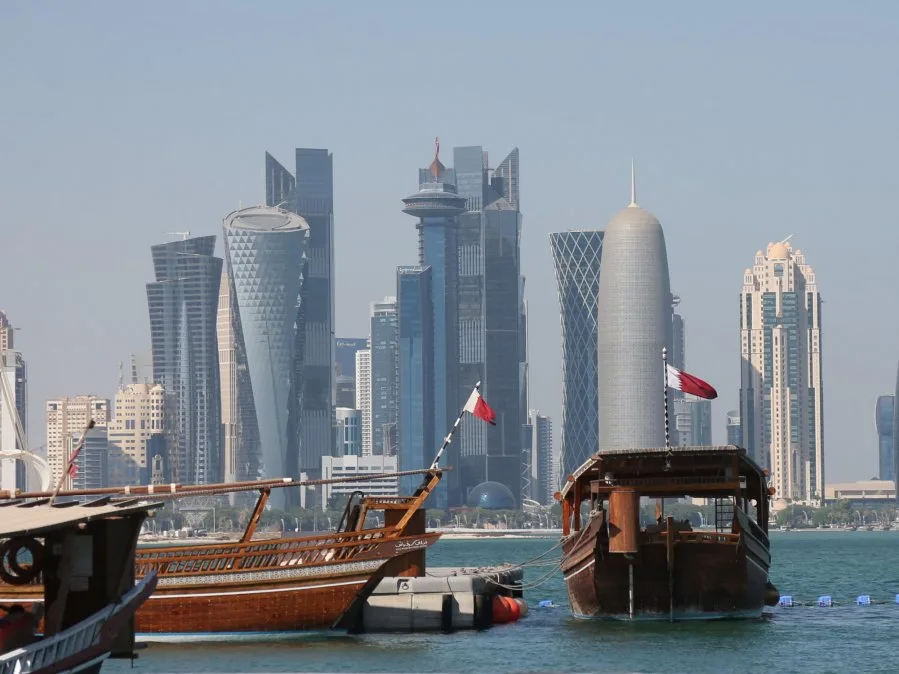
Despite signs of a tentative US-Iran deal and partial LNG shipments arranged by Qatar by masking tanker locations, deliveries remain far below pre-war levels and prices in Europe and Asia remain elevated [1, 3, 5]. Qatar is the world’s second-largest LNG exporter after the US and shares the South Pars-North Dome gas field with Iran [4].
The reopening of the Strait of Hormuz is expected to allow Qatar to resume LNG exports at large scale. Two of its LNG production trains will take years to repair, but QatarEnergy expects to restore most damaged output within two months after Hormuz reopens. The key near-term checkpoint is the anticipated June 19 interim agreement signing, which may enable the Strait’s reopening and Qatar’s LNG production recovery [1, 2, 3, 4, 5].