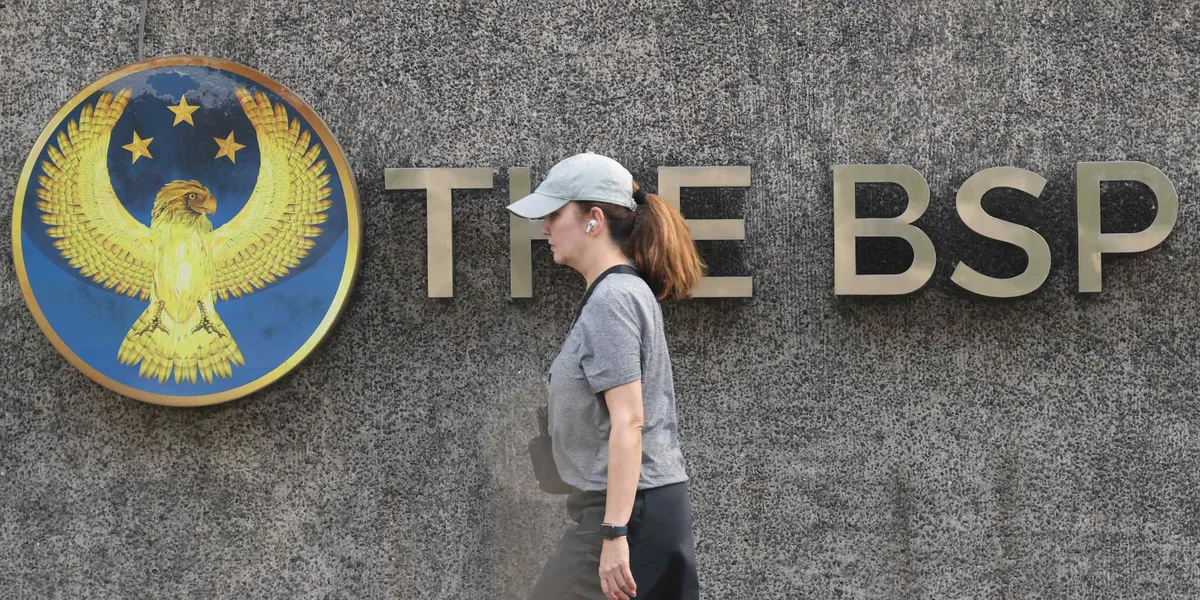
The Bangko Sentral ng Pilipinas raised its main interest rate by 25 basis points to 4.75% on June 18, 2026, marking its second consecutive hike to fight inflation driven by high fuel prices linked to the Iran war [1, 2, 3, 4]. Philippine inflation eased to 6.8% in May 2026 but remains above the central bank’s target range of 2% to 4% [2]. The peso recovered slightly from a record low of 61.75 to the US dollar earlier this month but is still down 2.8% year-to-date [2].
Bangko Sentral ng Pilipinas said, "On balance, the Monetary Board decided that monetary policy tightening is warranted... Today’s policy action will help keep inflation expectations anchored and mitigate the risk of second-round effects" [2]. The central bank projects inflation to stay above its 4% tolerance level in 2026 and 2027, only easing close to the 3% target by 2028, which supports further tightening [2].
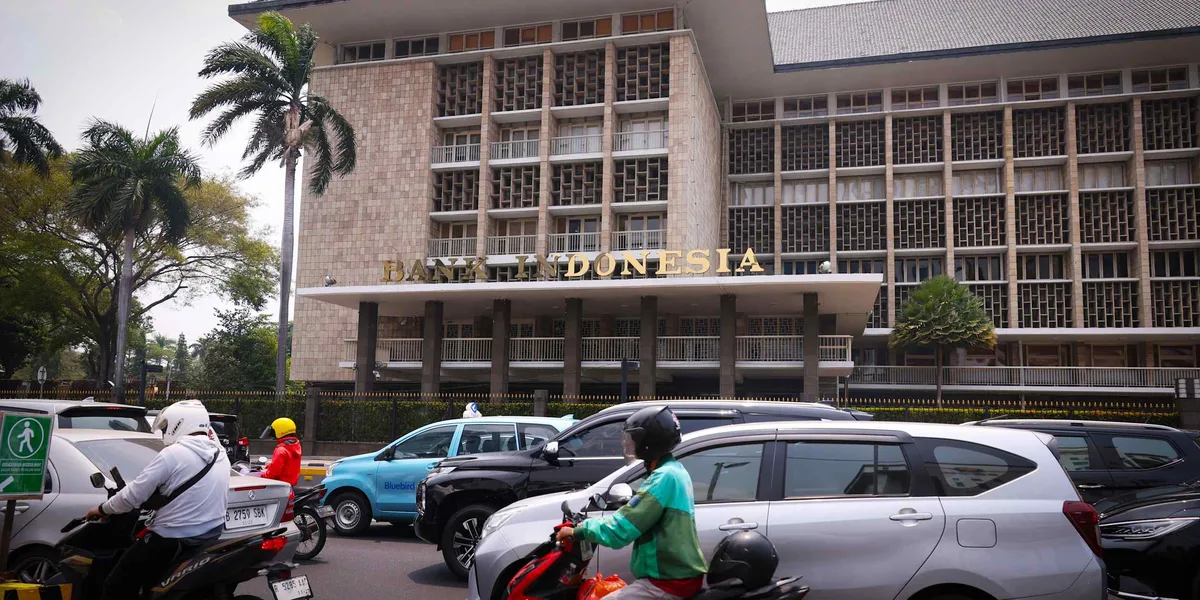
Bank Indonesia also raised its benchmark interest rate by 25 basis points to 5.75% on June 18, 2026, the third hike within about a month, aiming to stabilize the rupiah and attract foreign investment [5, 6, 7, 8, 9, 10, 11, 12]. The central bank increased its overnight deposit facility rate to 4.75% and lending facility rate to 6.50% alongside the benchmark rate [8, 9, 10, 11, 12]. Indonesia’s cumulative tightening this month totals 100 basis points (1%) [5, 6, 7, 8, 9, 11, 12].
The rupiah fell to a lifetime low of 18,190 per US dollar on June 8, 2026, but strengthened to around 17,725 following the recent rate hikes and an interim peace deal between the US and Iran [9, 11, 12]. Foreign exchange reserves dropped by US$12 billion in the first five months of 2026 [9].
Governor Perry Warjiyo described the hikes as pre-emptive steps to anchor inflation expectations, stabilize the rupiah, and support capital inflows amid global uncertainty. He said, "We at BI continue to communicate that we are going all out to maintain the stability of the rupiah and control inflation as part of efforts to mitigate the impacts of global volatility" and added the measures aim to keep inflation within target while conditions remain dynamic [5, 9, 10, 11, 12].
Starting July 1, 2026, Indonesia will tighten foreign exchange purchase rules by lowering proof submission thresholds for forex outflows and purchases as an additional stabilization measure [11, 12]. Some investors remain concerned that Indonesia’s commodity export agency plans and populist fiscal spending could undermine rupiah stability despite monetary tightening [5, 9].
The US Federal Reserve left rates unchanged on June 18 but signaled a potential rate hike later this year, which may influence inflation and currency dynamics regionally [5, 2].