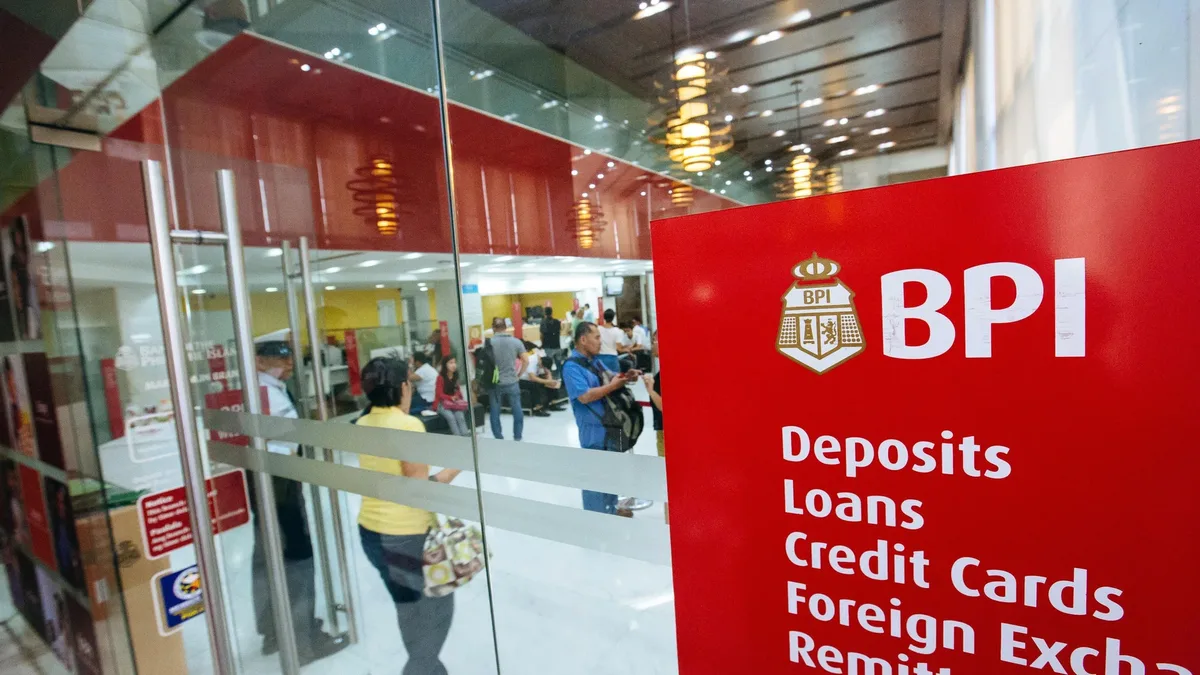
The Philippines' largest banks, including BDO Unibank, Bank of the Philippine Islands (BPI), and Metrobank, posted strong earnings for the first quarter of 2026, supported by deep capital reserves as of March 31 [1, 2]. These gains reflected robust loan growth and healthy profit margins.
However, the rising energy costs triggered by geopolitical tensions in the Middle East have increased credit risk across the ASEAN region, putting pressure on banks' financial stability [1, 2]. The surge in energy prices threatens to erode the profit margins that drove record growth for these major Philippine lenders [1, 2].
To mitigate the economic impact of soaring energy prices, the central bank rolled out energy crisis relief measures starting in June 2026. While these steps aim to ease the burden on businesses and consumers, they may weigh on Philippine banks’ interest income and potentially reduce earnings [1, 2].
The combination of external shocks and regulatory intervention marks a significant challenge after a period of strong performance. The major banks’ deep capital buffers, however, could provide a cushion against worsening credit conditions.
Philippine banking sector observers will be closely watching the earnings reports for the second quarter to gauge how these pressures affect profitability in the coming months.