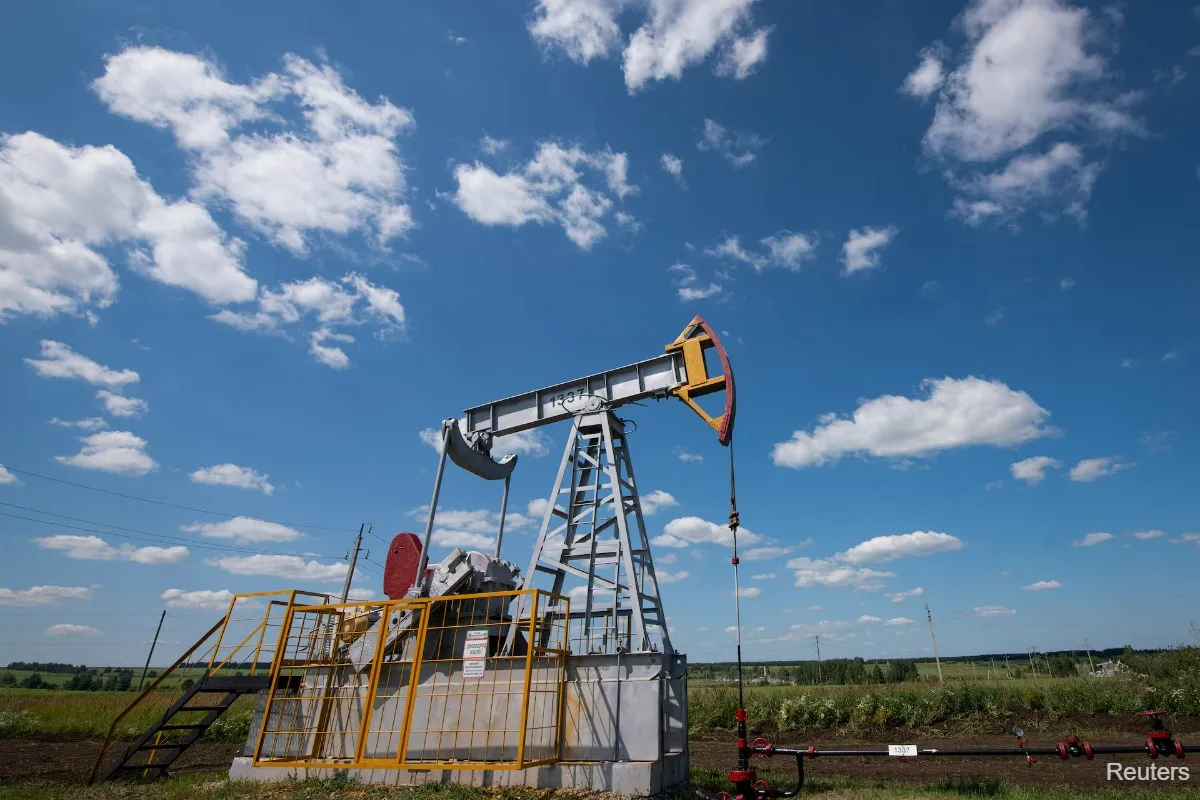
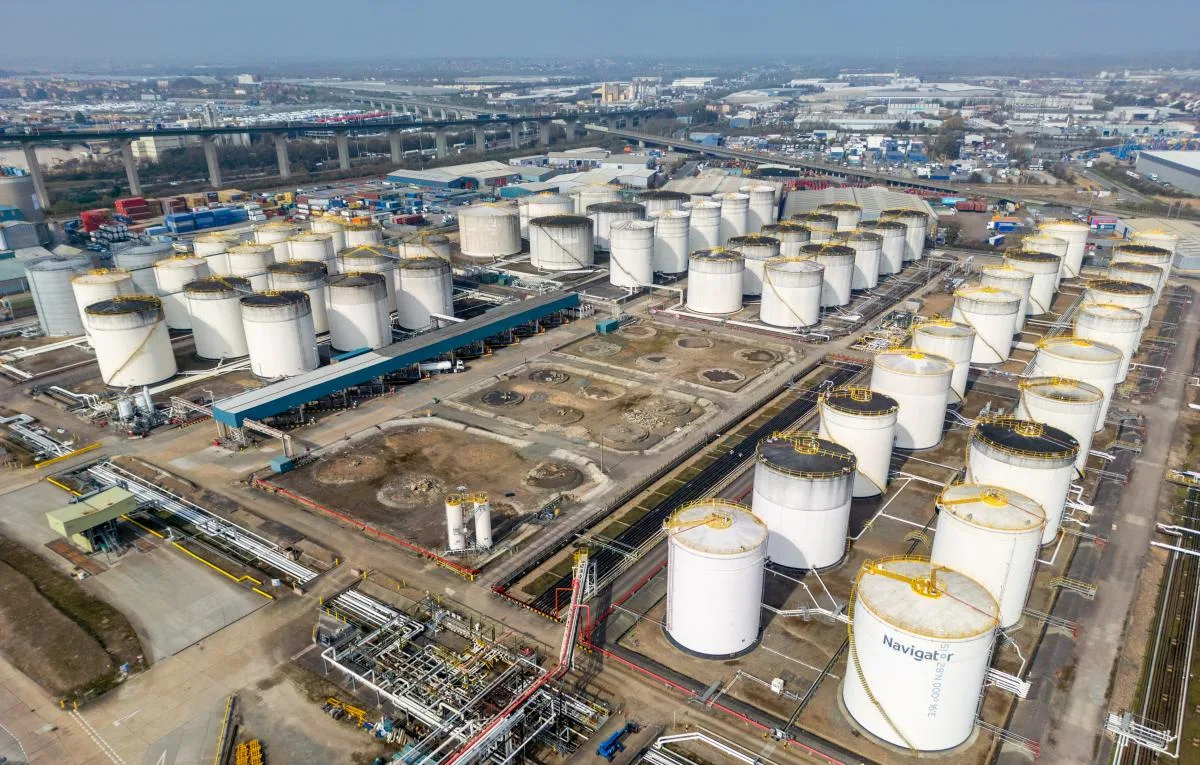
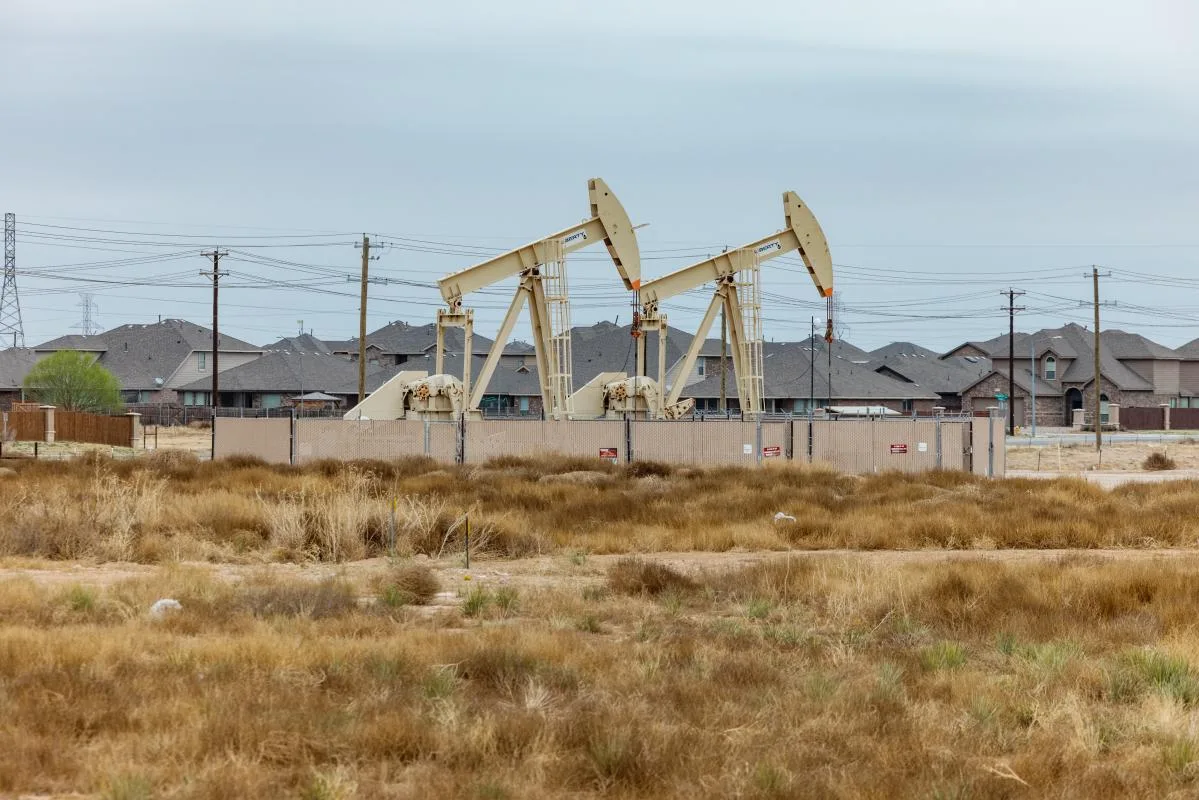
Oil prices surged between 2% and over 5% on June 1 after Israel expanded its troop incursion into Lebanon despite a ceasefire agreed in April, sparking heightened tensions in the region and pushing markets higher [1, 2, 3, 4, 5, 6]. Israeli Prime Minister Benjamin Netanyahu said, "Together with Defense Minister Yisrael Katz, I instructed the IDF to expand the maneuver in Lebanon" [4].
The Israel-Lebanon conflict marks the broadest spillover of the Iran war, which began in early March when Hezbollah launched rocket and drone attacks to support Iran [1, 3, 4]. Although a ceasefire largely held since mid-April, intermittent clashes and renewed fighting have escalated tensions in recent weeks [1, 7, 3]. On June 4, the US announced a renewed ceasefire agreement between Israel and Lebanon contingent on Hezbollah’s cessation of fire and troop evacuation [7, 8].
Iran suspended indirect communications with the US over continued Israeli attacks in Lebanon, further worsening diplomatic relations just as talks on extending the April ceasefire were underway. Reports conflicted over whether US-Iran talks had halted, with Iranian sources saying they suspended contact and the US denying a breakdown [9, 7, 10, 5, 8, 6]. US President Donald Trump said, "It will all work out well in the end," and maintained that the Strait of Hormuz would reopen once Iran agrees to de-escalate and clear mines [7, 10].
The Strait of Hormuz, which channels about 20% of global oil flows, has remained effectively closed by Iran since February amid the conflict, limiting supply and pushing prices higher [1, 2, 7, 3, 5, 8, 6]. Concerns over mines laid by Iran in the strait may delay its reopening and prolong supply constraints [1, 2, 3, 5]. US crude stockpiles also tightened, falling by 6.8 million barrels last week, adding to supply worries [9, 7].
On June 1, US crude futures hovered around $89.5 to $92.16 per barrel, and Brent crude near $93 to $95 [1, 2, 5, 6]. Energy experts warn that a prolonged conflict could push prices above $150 due to shrinking inventories. Andrew Lipow of Lipow Oil Associates said, "The longer the conflict continues, the lower commercial inventories will get ... at which time prices spike. We are only a month or two away from that" [5]. IG analyst Tony Sycamore added, "Even if an agreement is reached, it won’t deliver a flood of supply" [1].
Meanwhile, Saudi Arabia is expected to cut official selling prices for crude to Asia in July for the second straight month amid weaker demand and geopolitical risks [2]. Weak economic data from China and Europe also pose demand uncertainties that may moderate some price gains [1, 2, 4]. In US politics, the Republican-led House passed a resolution to halt the US war with Iran, although it faces obstacles in the Senate [7].
Additional regional instability includes increased Ukrainian attacks on Russian oil refineries in May and Russia imposing jet fuel export bans until November to avoid shortages [10, 6]. US Central Command reported intercepting two Iranian ballistic missiles aimed at US forces in Kuwait recently, with no casualties [6].
The next key development is the implementation of the renewed Israel-Lebanon ceasefire announced on June 4, which depends on Hezbollah ceasing fire and withdrawing forces. Observers will watch whether this leads to de-escalation and if US-Iran talks resume progress on releasing the Strait of Hormuz to ease oil supply pressures.