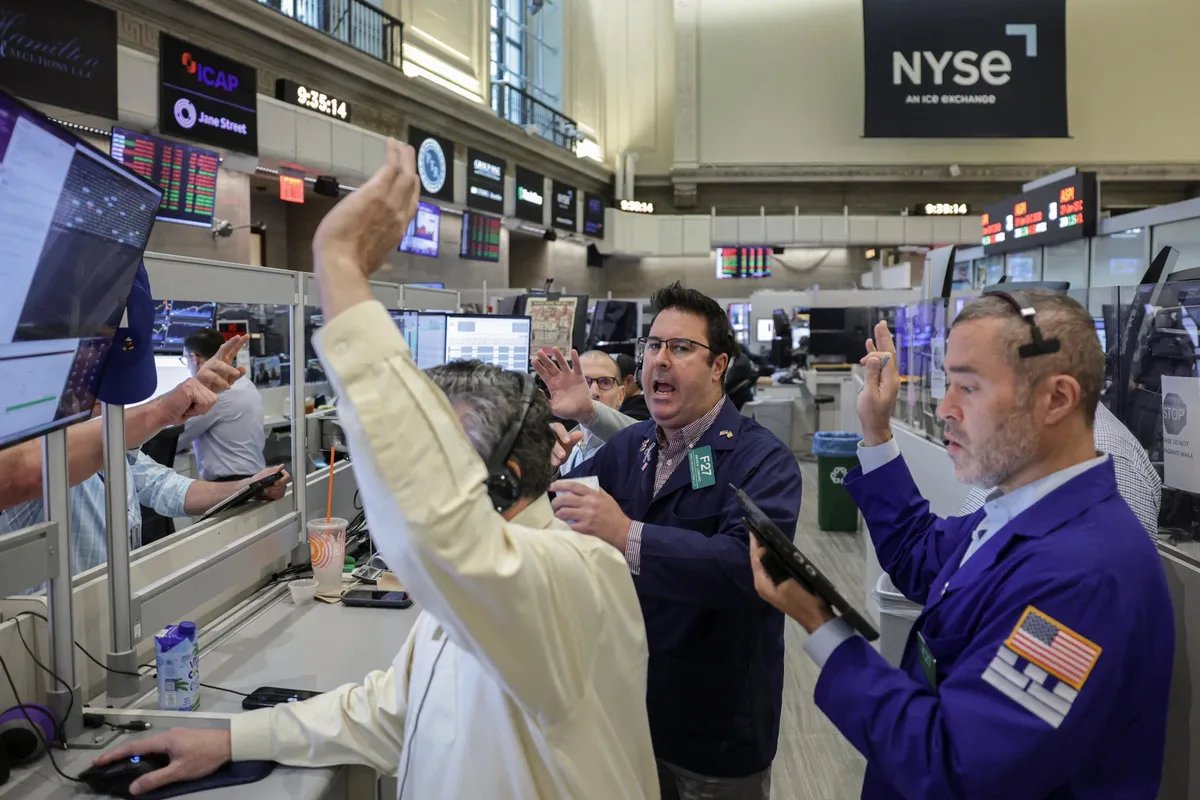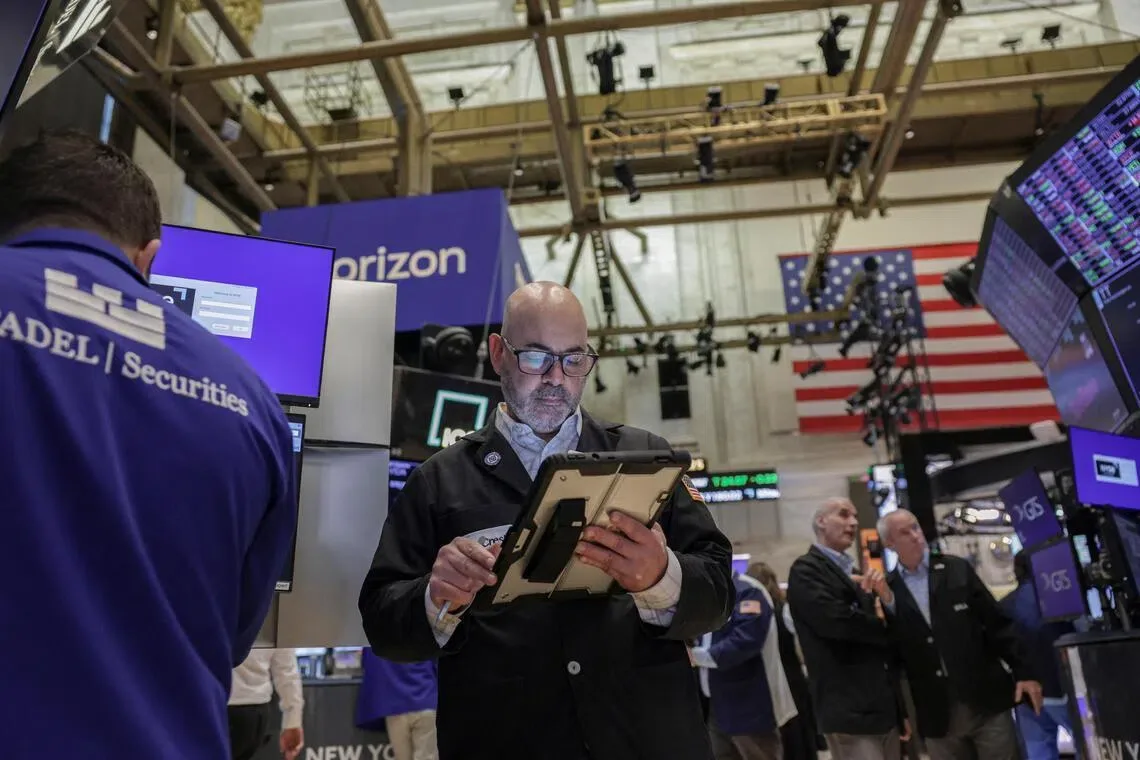
The Nasdaq Composite dropped 134.41 points, or 0.51%, to close at 26,090.73 on May 18 as investors took profits in technology stocks amid rising borrowing costs and oil prices [1, 2]. The S&P 500 fell 5.45 points, or 0.07%, to 7,403.05, marking a second consecutive day of losses following a rally that began in late March [1, 2]. Meanwhile, the Dow Jones Industrial Average rose 159.95 points, or 0.32%, to 49,686.12 [1, 2].
The 10-year U.S. Treasury yield climbed to its highest level since February 2025, driven by concerns over persistent inflation and borrowing costs linked to disrupted oil shipments through the Strait of Hormuz [1, 2]. These disruptions have pushed oil prices up more than 3% during a volatile trading session on May 18, before paring gains at settlement [1, 2].
Burns McKinney, portfolio manager at NFJ Investment Group, said, "It seems like the one issue that’s been moving markets on a day-to-day basis is oil prices. The main variable is the blockade on the Strait of Hormuz that pushes oil higher and increases the risk in the longer run of inflation expectations becoming unanchored" [1]. He also noted, "Equity investors seem more optimistic and trusting of the president than bond investors. It seems like every other day there might be some rumour of a deal being struck in Iran and stocks rally again. They believe it and they kind of have the rug yanked out from under them because it just continues to be a stalemate" [2].
U.S. President Donald Trump said he paused a planned attack on Iran to allow for negotiations after Iran sent a new peace proposal to Washington, but warned that attacks could resume if no deal is reached [1, 2].
Investors continue to weigh geopolitical risks and inflation concerns as the market fluctuates. The S&P 500 has gained more than 18% since late March but has faced headwinds this week from rising oil and bond yields [1, 2].