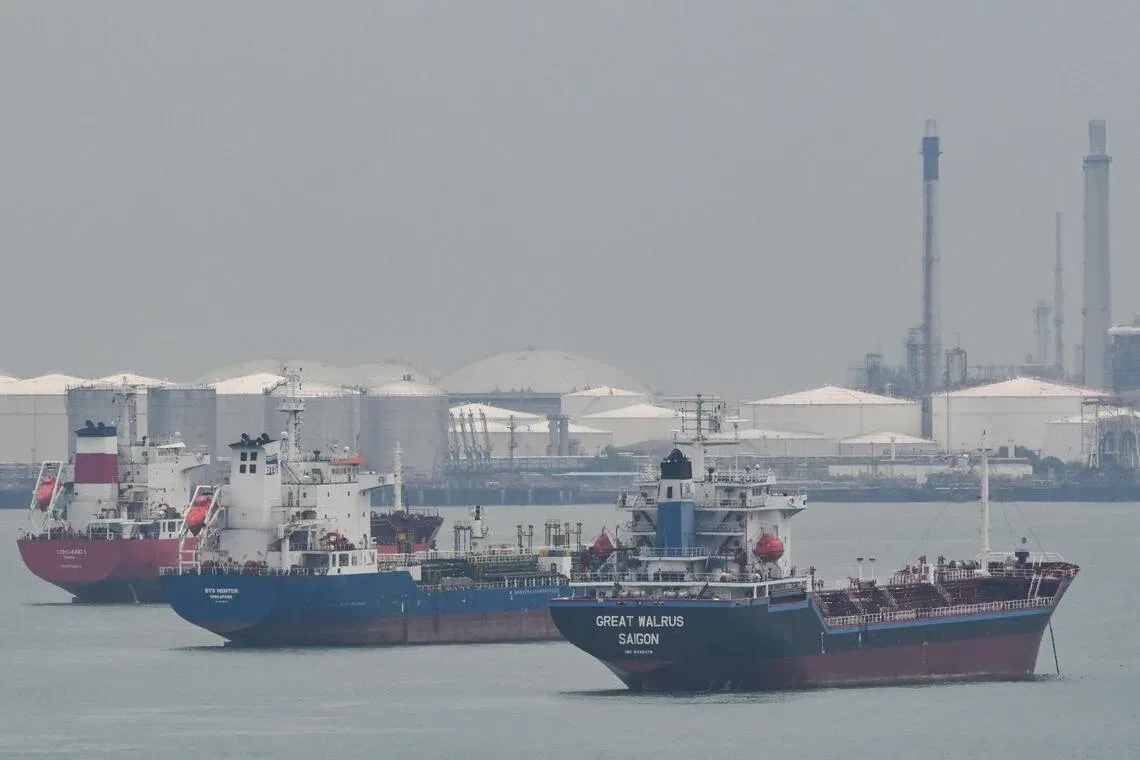
Singapore port recorded 10,873 ship calls in April 2026, a 3% year-on-year increase following an 8.7% rise in March 2026 when 11,591 vessels called at the hub [1, 2]. Despite the increase in arrivals, ships refueling, or bunkering, dropped slightly to 3,438 in April 2026 compared to 3,504 a year earlier [1, 2]. Bunker fuel sales declined 1.2% to 4.35 million tonnes for the month [1, 2].
The surge in ship calls comes amid the ongoing Iran-US war disrupting major shipping routes in the Middle East. Vessels are still turning to Singapore for cargo transfers, repairs, supplies, and crew changes, not just refueling [1, 2]. However, price volatility in fuel markets caused by the conflict has made shipping companies more cautious. Ms Siti Zaini, regional manager at the International Bunker Industry Association, said, "When prices more than double in a matter of weeks, shipowners bunker only the amount of fuel they need to reach the next port. The war has simultaneously driven vessels toward Singapore while making each of those vessels buy less, with per-vessel fuel uptake being compressed by price-driven behaviour on both the supply and demand side" [1].
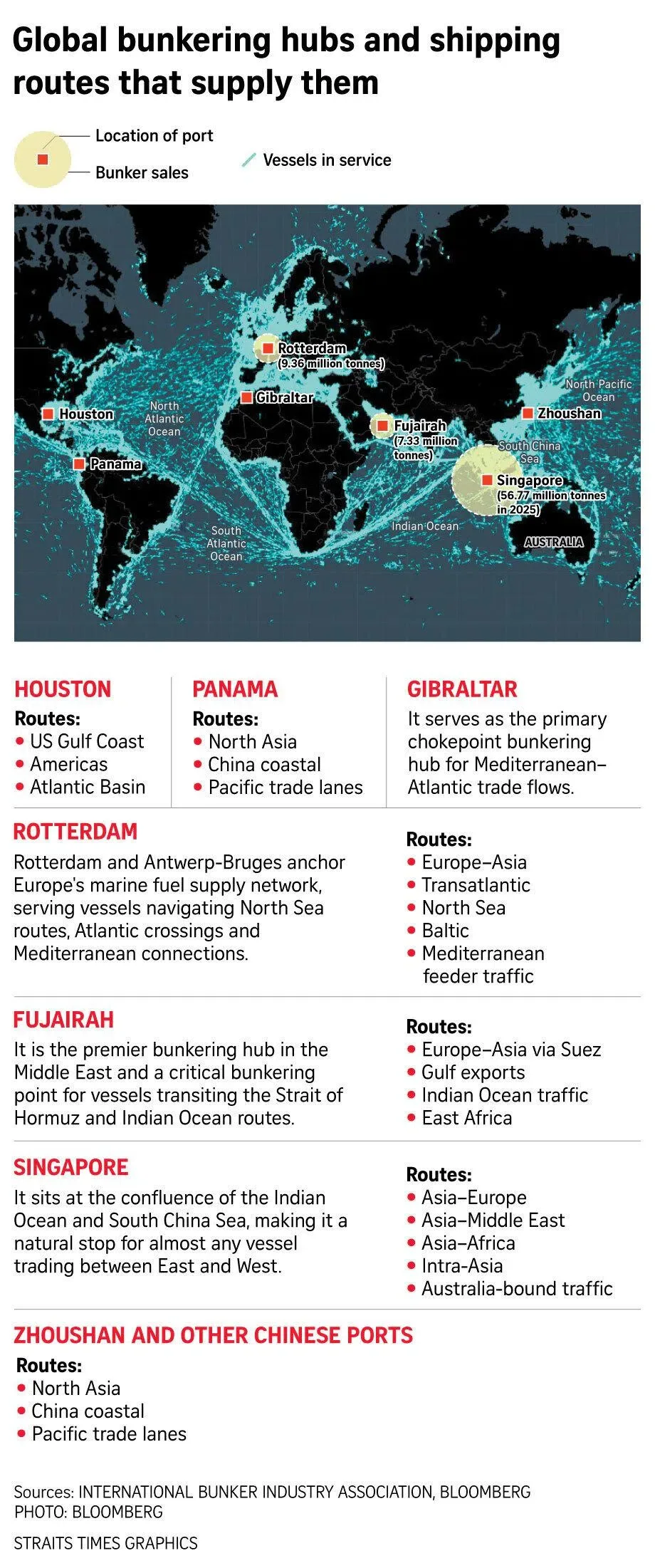
Slower steaming practices, where vessels reduce speed to conserve fuel, have also increased as companies respond to rising costs [1, 2]. Suppliers are reportedly cutting back on large forward purchases of bunker fuel to avoid risks linked to price swings [1, 2]. Despite these fluctuations, Singapore remains the world's largest bunkering hub, with no marine fuel shortages expected [1, 2].
Notably, cargo volumes carried by vessels calling at Singapore fell by 1.2%, indicating less freight moved despite the rise in ship numbers. Bernard Aw, Coface chief economist for Asia-Pacific, confirmed, "While more vessels called in Singapore in April, the cargo amount they carried fell by 1.2 per cent" [1].
The trends so far in April follow March data showing a strong increase in ship calls but also reinforce emerging shifts in maritime fuel consumption and cargo movement related to geopolitical tensions. Observers expect bunker sales and ship activity levels to fluctuate in the coming months as Middle East hostilities continue and fuel price volatility persists [1].