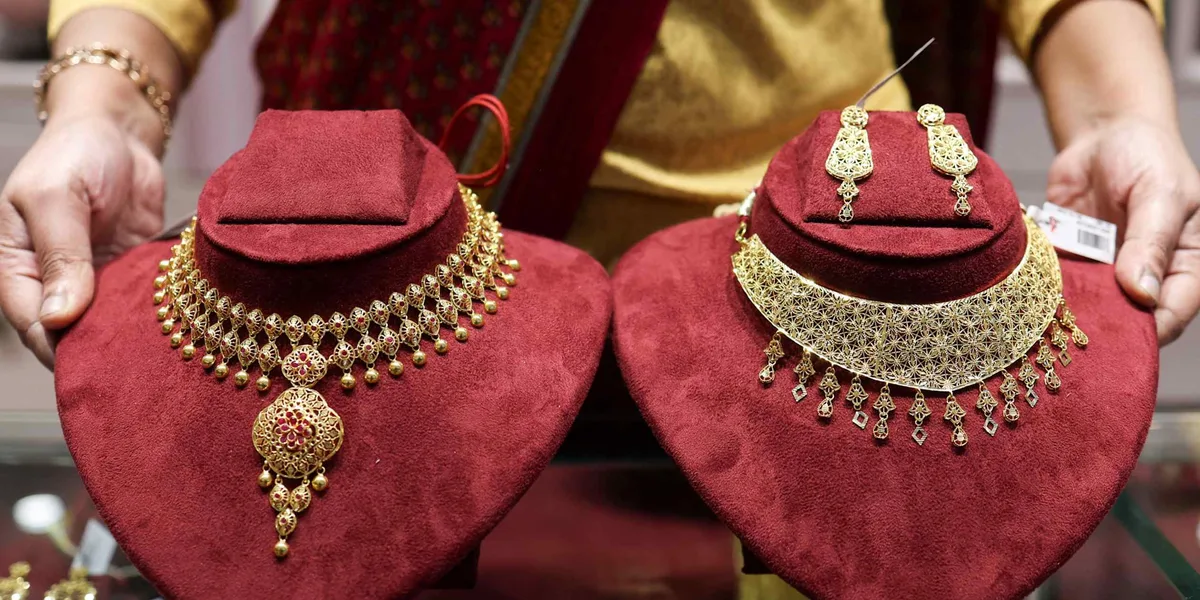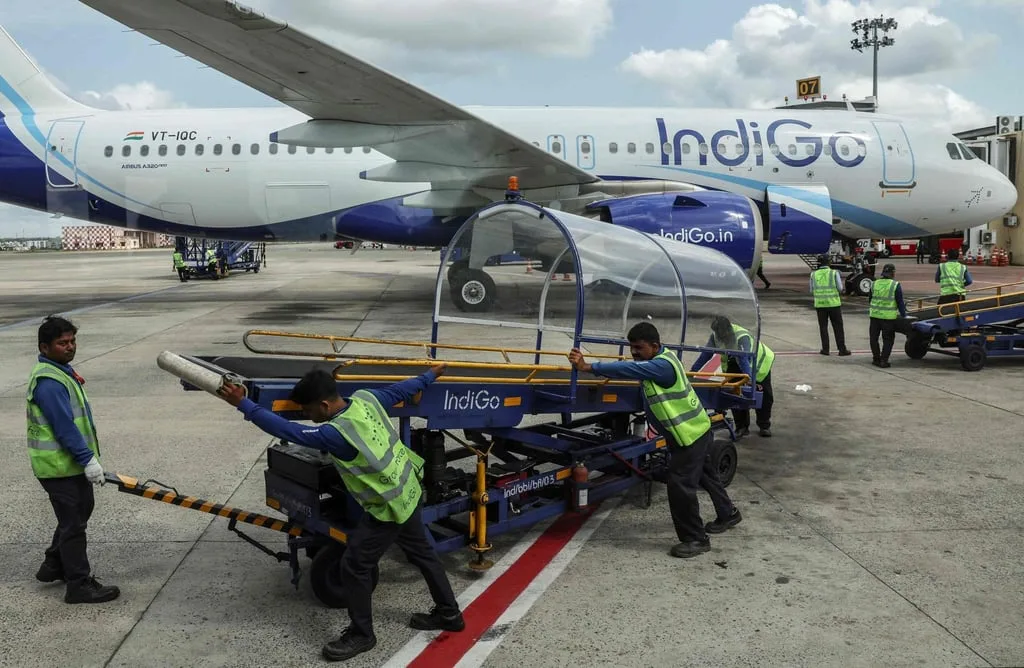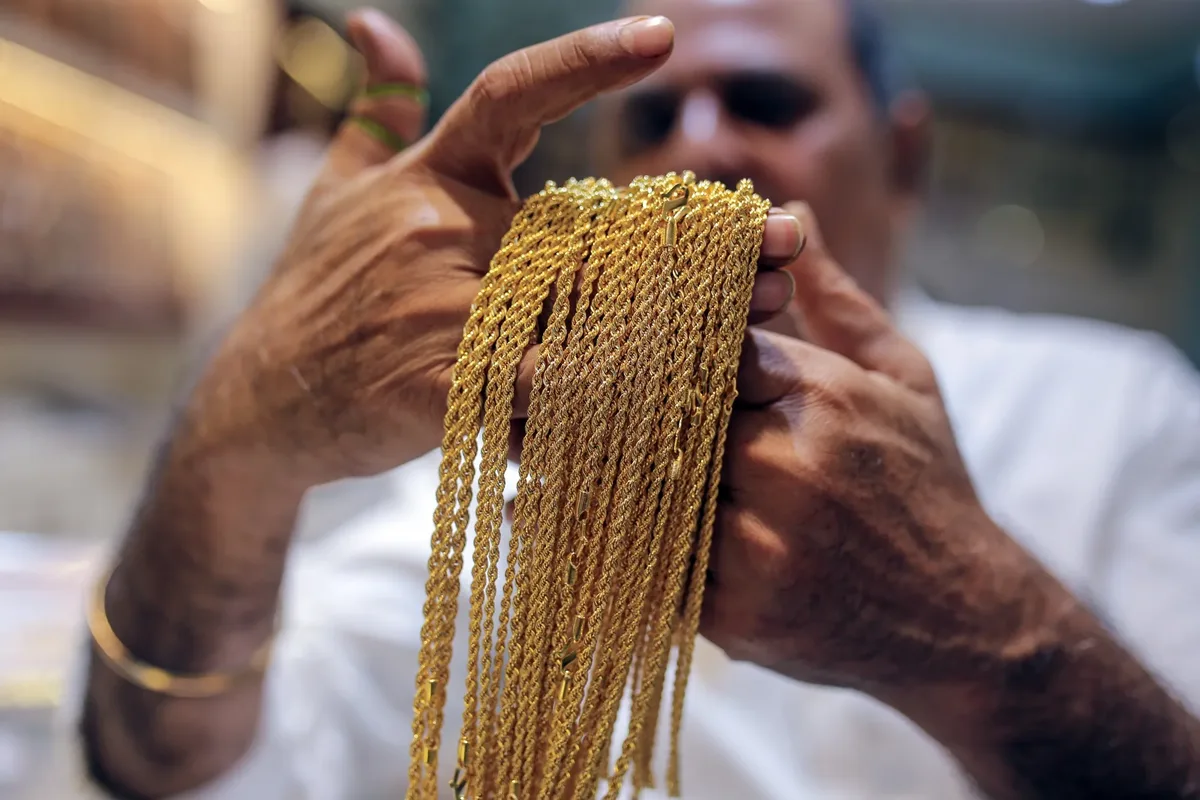
Prime Minister Narendra Modi urged Indians on May 10 in Secunderabad, Telangana, to use petrol and diesel sparingly, cut non-essential foreign travel, work from home more often and delay or reduce gold purchases. He made the appeal at a public meeting after inaugurating infrastructure projects there. [1, 2, 3, 4, 5, 6]
Modi framed the call as a response to pressure from rising global fuel prices, tensions in West Asia and concern over India’s foreign-exchange reserves and external account. He told the crowd that the country needed to put “nation first above personal comfort” and added: “In this time of global crisis, we have to make a resolution keeping duty paramount and fulfil it with complete dedication.” [7, 1]
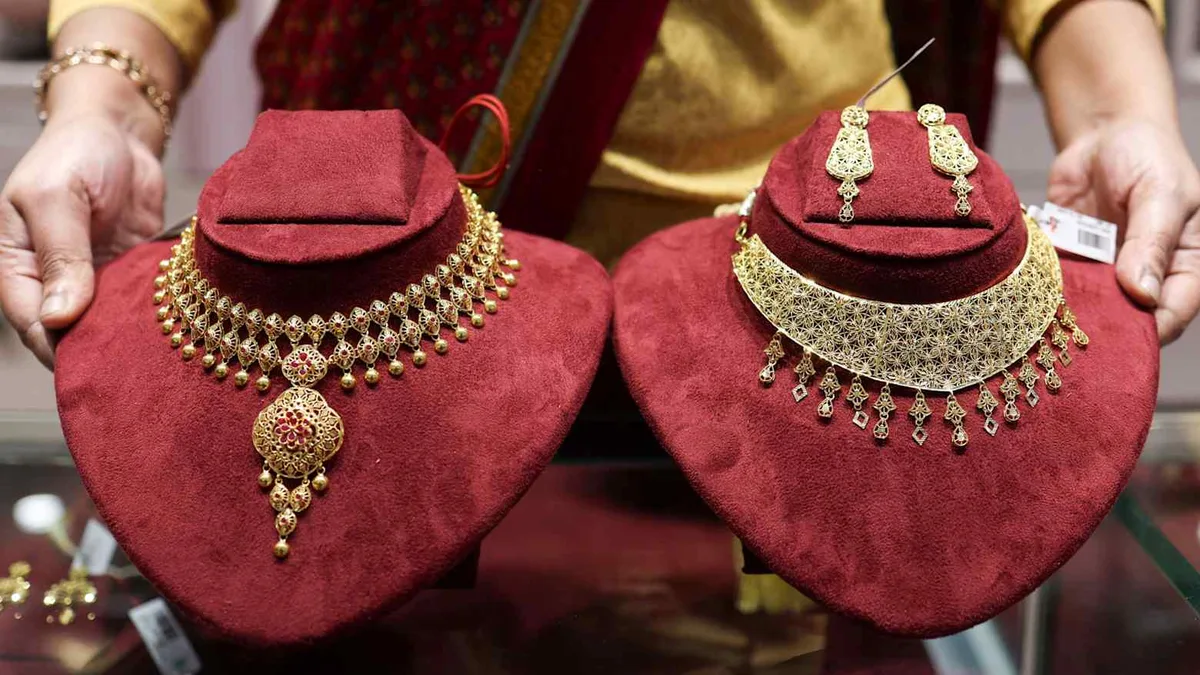
The government has more than doubled import taxes on gold and silver, Bloomberg reported, while Nikkei said duties on precious metals including gold, silver and platinum were more than doubled. Bloomberg also said the NSE Nifty 50 Index fell 3.2% this week as investors worried about more belt-tightening measures. [7, 4]
India had not raised pump prices for ordinary consumers at the time, according to The Straits Times, though analysts were discussing the possibility of future petrol and diesel hikes. In the travel sector, South China Morning Post reported summer travel inquiries were down by as much as 15%, while the Indian Association of Tour Operators’ president said business was down 10% to 15%. [1, 2, 3, 5]
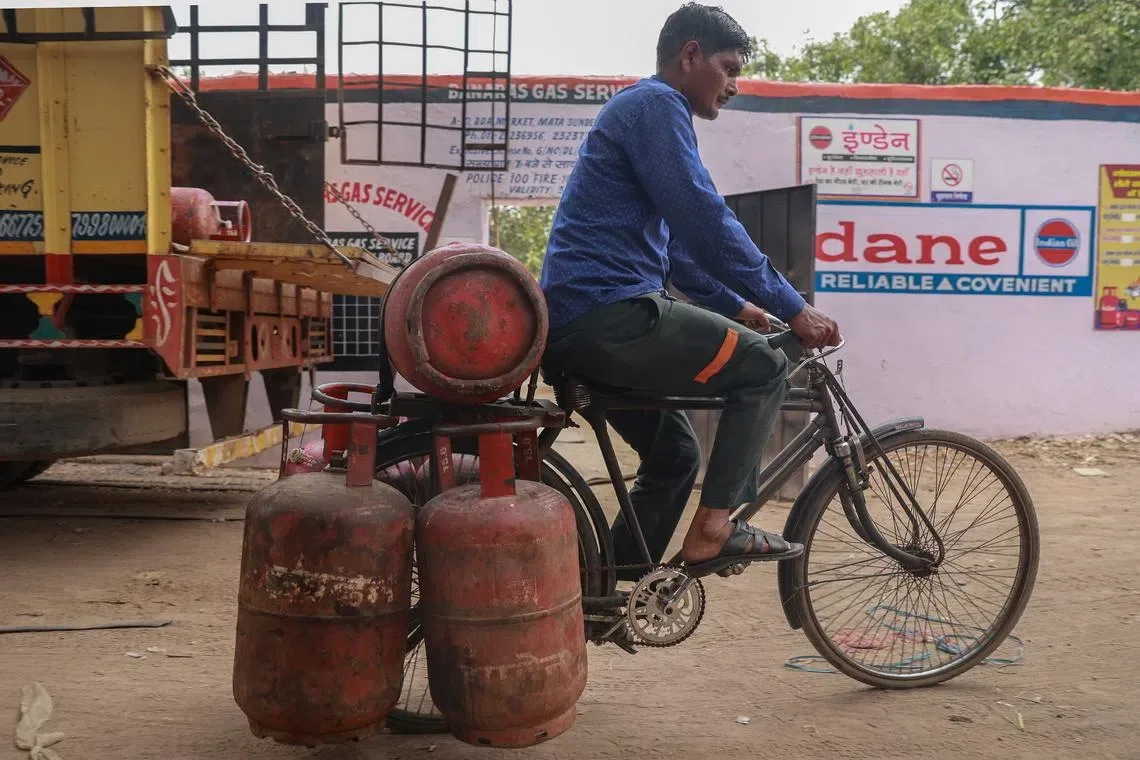
DW reported that a commercial gas cylinder price rose from about 2,078 rupees to 3,071 rupees in barely three months, a rise of nearly 48%. Modi said: “A big resolution is to use petrol and diesel sparingly,” and described the West Asia crisis as “one of the worst in the decade.” [6]