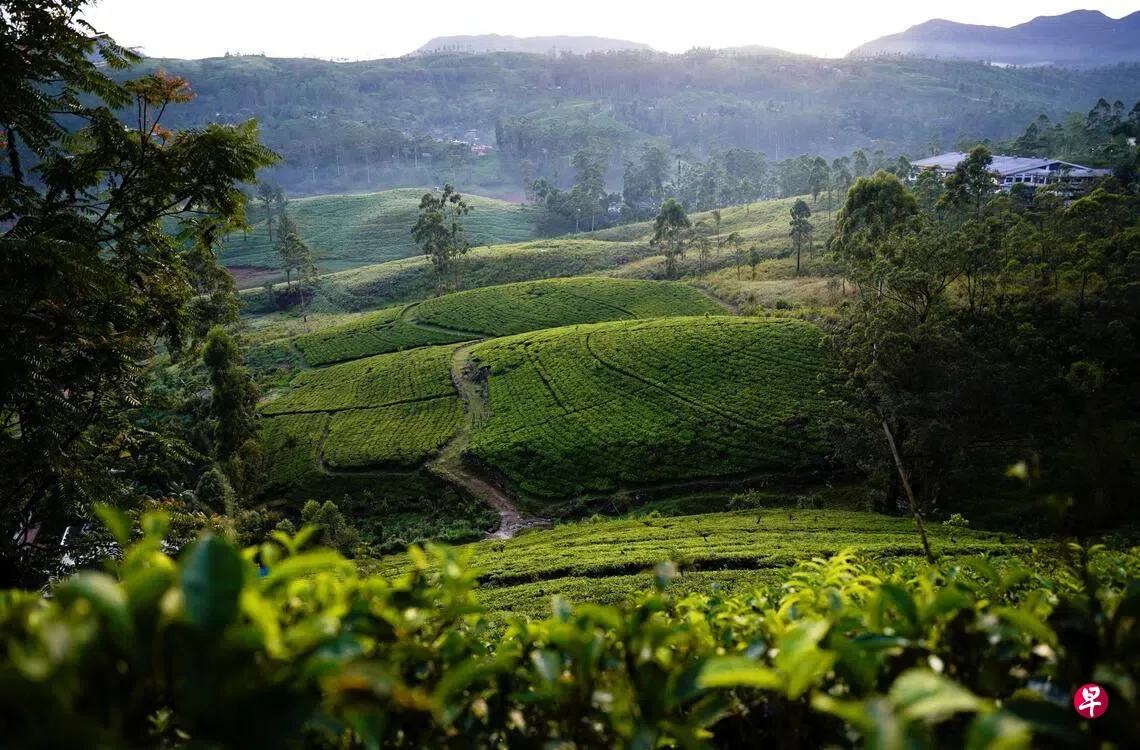
Sri Lanka's tea industry, valued at about US$1.5 billion and employing 2.4 million people, has been hit hard by disruptions from the Middle East conflict since late February 2026 [1, 2]. Nearly half of the country's Ceylon tea exports, worth around US$680 million annually, go to Middle Eastern markets, including Iraq, UAE, and Iran [1, 2].
In March 2026, tea export earnings dropped 17.3% year-on-year, totaling approximately US$114.75 million [1, 2]. Exports to Iraq fell by 38% and shipments to the UAE plunged 93% compared to the same month last year [1]. Iran typically imports 8 to 10 million kg of premium Sri Lankan tea annually, adding further weight to the export losses [1].
The conflict has increased energy and logistics costs, forcing Sri Lanka to raise fuel prices by 40%, ration supplies, and declare public holidays to conserve energy [1]. Dilmah Tea Company, which earns about 30% of its revenue from the Middle East, is accelerating expansion into Canada, South America, and the US due to market disruptions [1, 2]. Dilmah chairman Dilhan Fernando said, "We have absorbed the costs for a while, but fuel costs and knock-on effects on logistics... are fuelling inflation everywhere" [1].
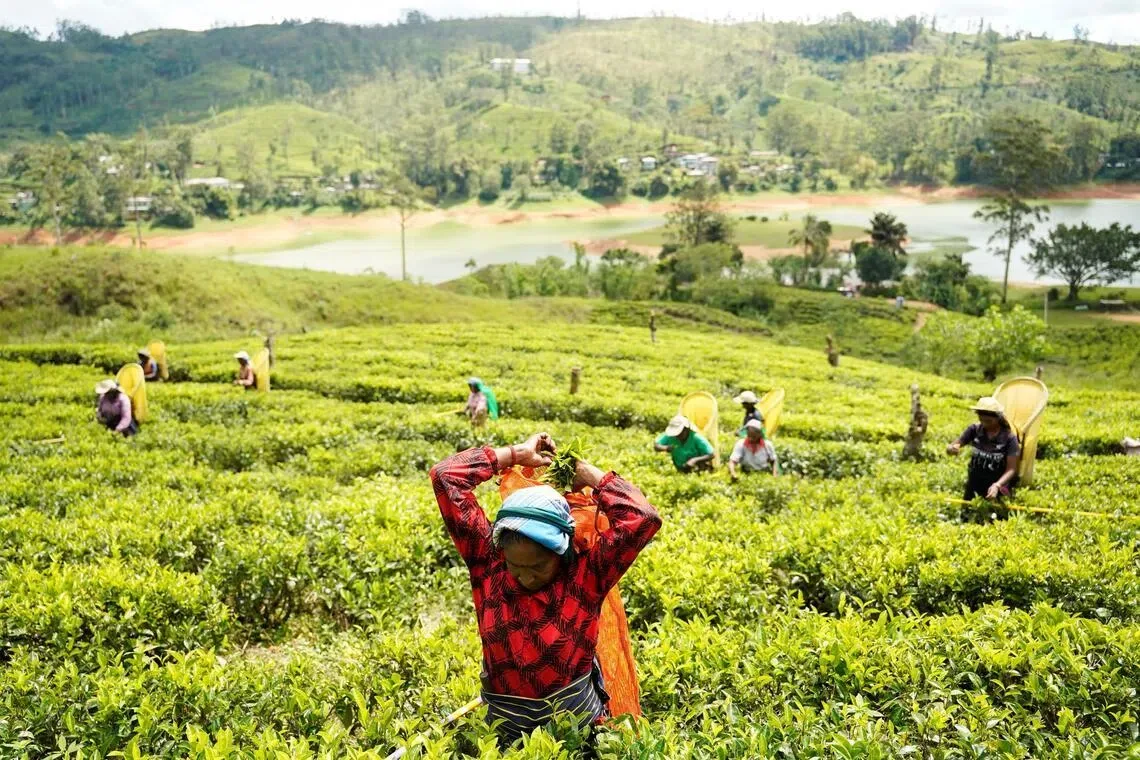
Tea plantation workers, who earn daily wages between 1,350 and 1,750 rupees—just above the national minimum wage of 1,200 rupees—are severely affected [1, 2]. More than half live below the World Bank's international lower-middle-income poverty line of US$3.65 a day [1, 2]. Workers are coping by cutting meals, increased school absenteeism, and some migrating to urban jobs. Movement for Plantation People's Land Rights convener Thangawel Ganeshalingam said, "Plantation workers are facing crisis after crisis... people are cutting down on meals and some are leaving the plantations looking for better jobs in cities" [1].
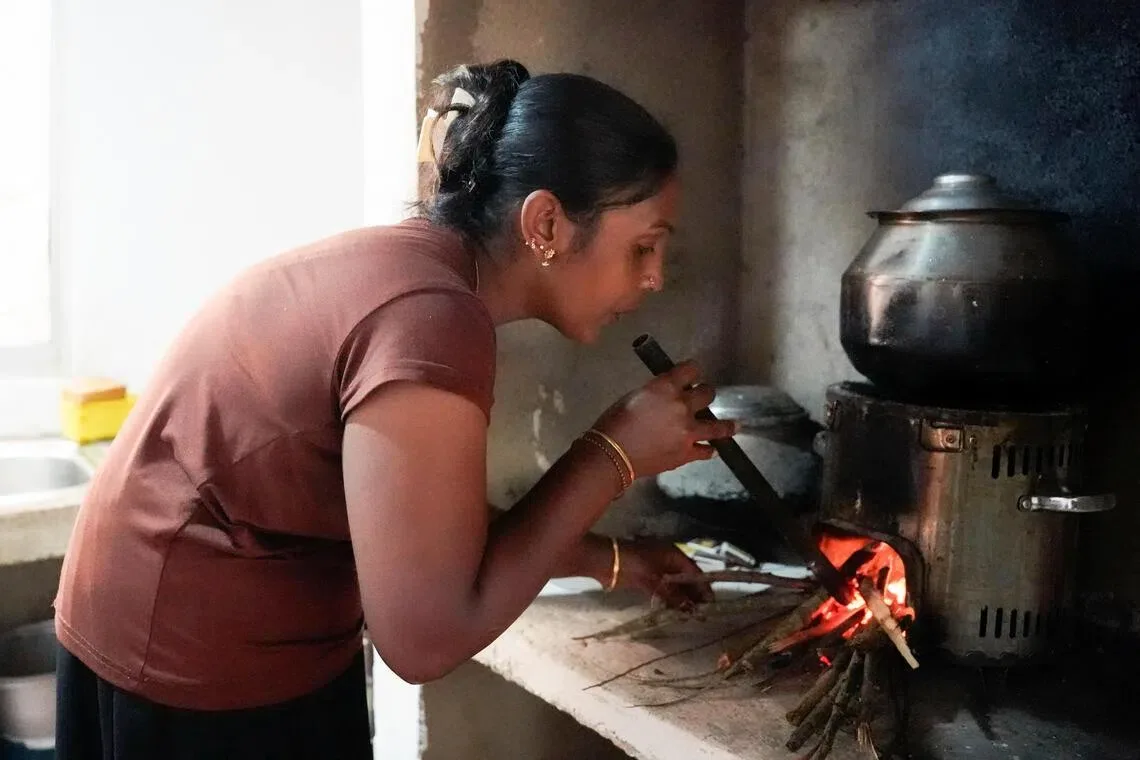
Tea factory worker Jacintha Malar said rising energy costs have forced her to switch from cooking gas to firewood. "We don’t know if we can continue to manage. If the war continues, many will face distress," she added [1, 2].
The conflict began in late February 2026, causing the initial export disruption [2]. On May 21, 2026, AFP published a report detailing the deepening impact on Sri Lanka's tea industry [2]. The government’s fuel price hike and rationing measures remain in place as tea exporters and workers continue to face strained conditions [1].