Japan aims to have sustainable aviation fuel (SAF) make up 10% of airline fuel use by 2030, requiring about 1.7 million kilolitres of SAF annually [1, 2, 3, 4, 5, 6]. Its current domestic SAF production stands at roughly 30,000 kilolitres or 0.3% of jet fuel consumption [1, 2, 3, 4, 5, 6].
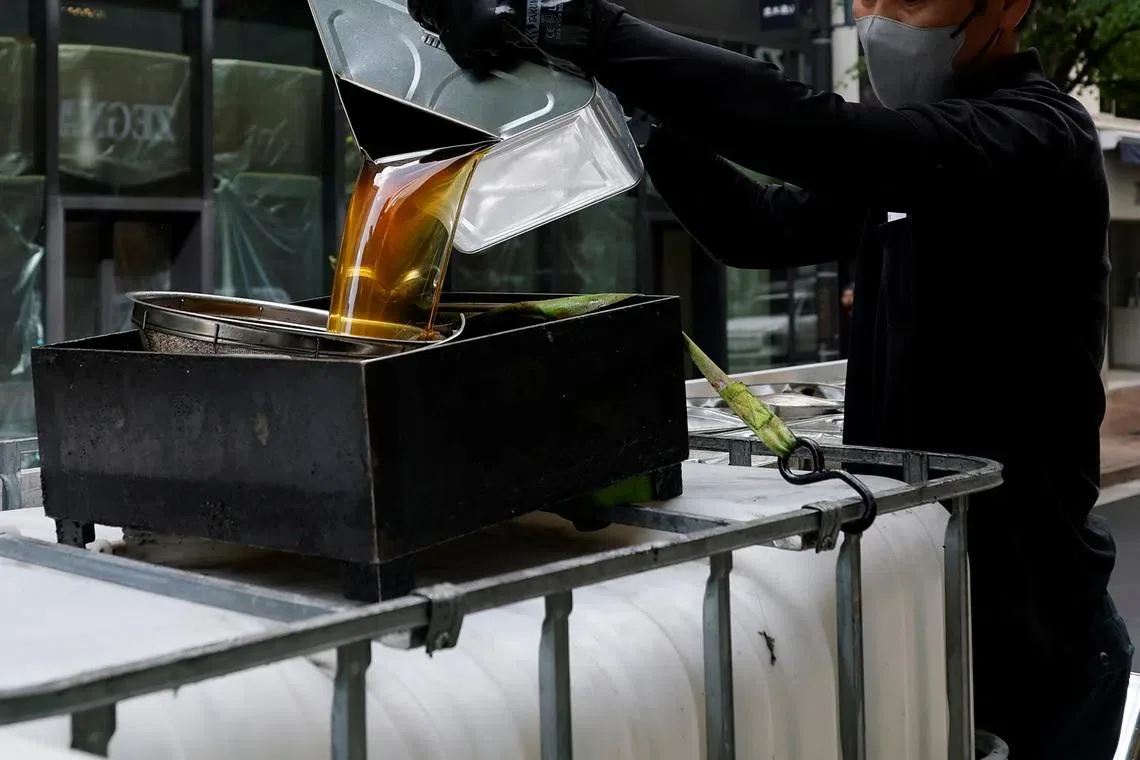
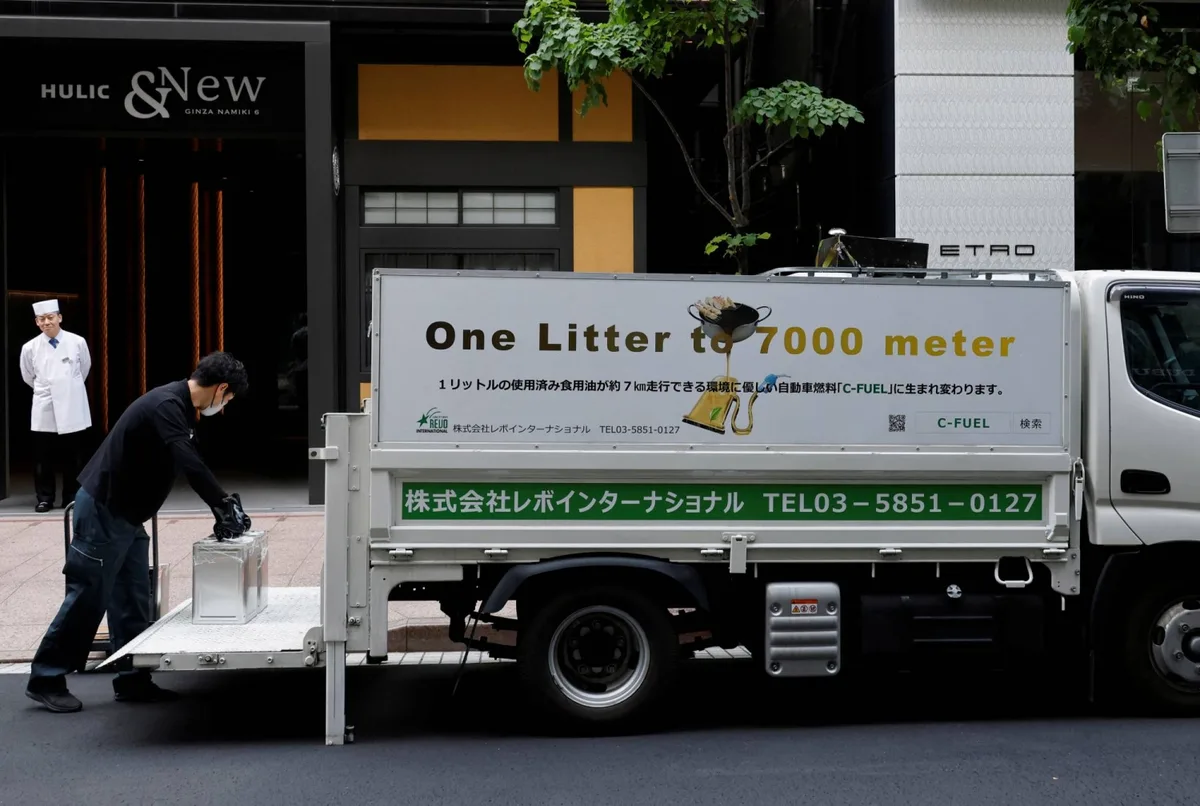
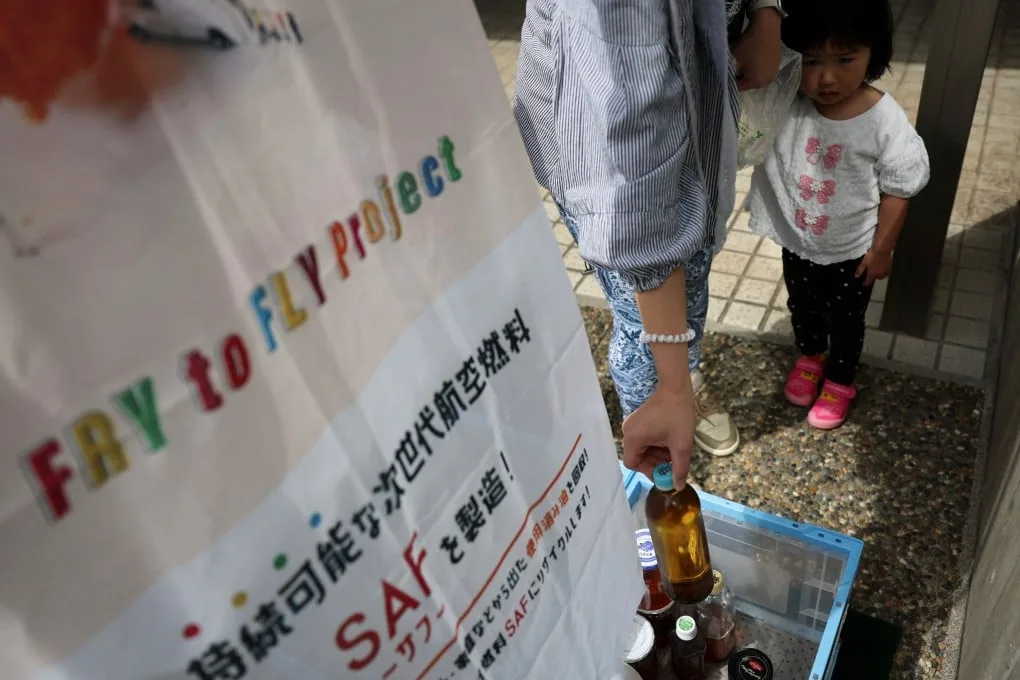
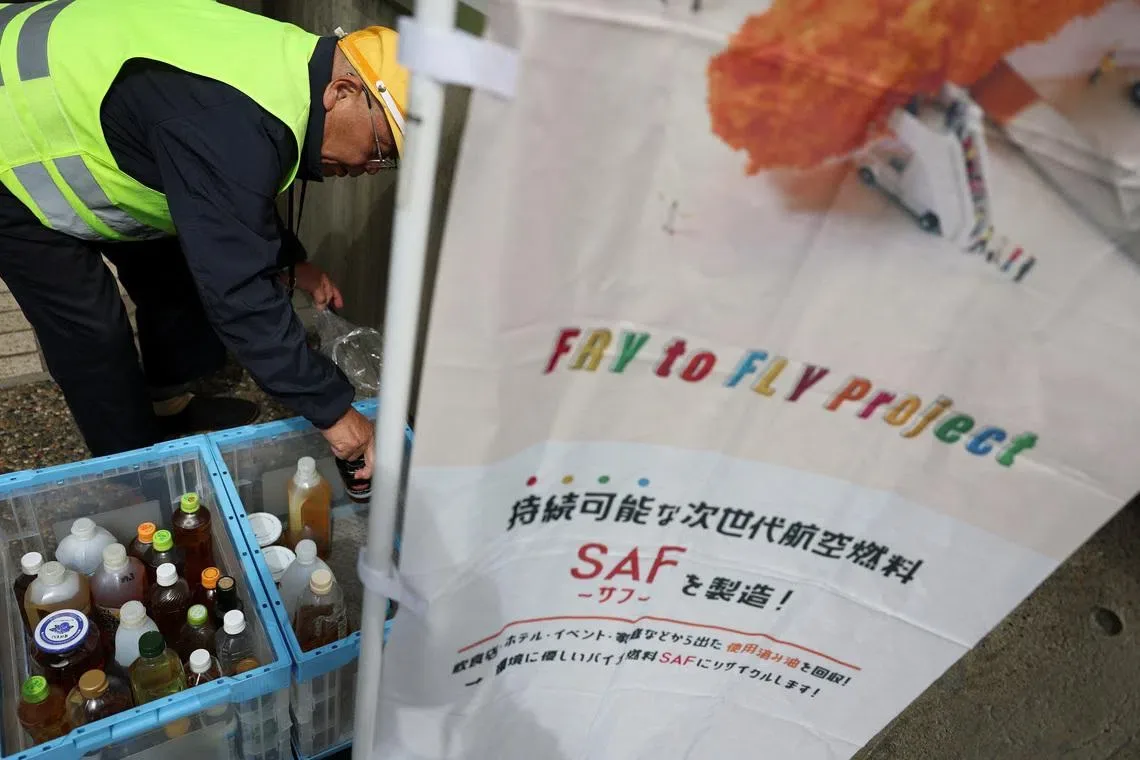
The national "Fry to Fly" project includes about 300 participants such as supermarkets and businesses collecting used cooking oil as SAF feedstock [1, 2, 3, 4, 7, 8, 5, 6]. Japanese homemaker Maki Watanabe donates roughly 40 litres of used cooking oil annually. She said, "It would take a tremendous amount to make an aircraft fly, so I hope we can collect more" [1].
Tokyo collected only 160 kilolitres of waste cooking oil last year, enough to fuel a Boeing 787 for about 17 hours [6]. The Tokyo metropolitan government is raising awareness by mobilizing companies and households, including distributing funnels with QR codes to 13,000 households to aid oil collection [4, 5, 6].
Even recovering all domestic waste cooking oil would cover only about a quarter of Japan’s 2030 SAF target, indicating the need for imported feedstock or SAF [5, 6]. Refiners such as Eneos and Mitsubishi Corp are considering large-scale investments to expand SAF production capacity, and final investment decisions are required by March 2026 to meet 2030 goals [1, 2, 5, 6].
The first commercial scale SAF plant, a joint venture by JGC, Cosmo Energy, and REVO International, can produce about 30,000 kilolitres annually, far short of the target [6]. ANA and Japan Airlines said in May 2026 that reaching the SAF goals is more challenging than expected [1, 2, 5, 6].
Energy supply pressures from the Iran war and rising costs have increased urgency for domestic SAF production [1, 2, 7, 8, 6]. SAF adoption remains hindered by high cost, limited feedstock supply, and immature infrastructure, which could raise costs for refiners and airlines if targets are missed [1, 2, 5, 6].
Among countries with SAF mandates, Singapore has a 1% target reliant mainly on imports [1, 2].
Japan’s refiners must make investment decisions by March 2026 to enable mass SAF production needed by 2030 [1, 2, 5, 6].