Indonesia aims to reduce its fiscal deficit to a range of 1.8% to 2.4% of GDP in 2027, down from the 2.9% projected for 2026, the government announced on May 20, 2026. The country’s 2027 economic growth target is set between 5.8% and 6.5%, with inflation expected to stay in the range of 1.5% to 3.5% [1, 2].
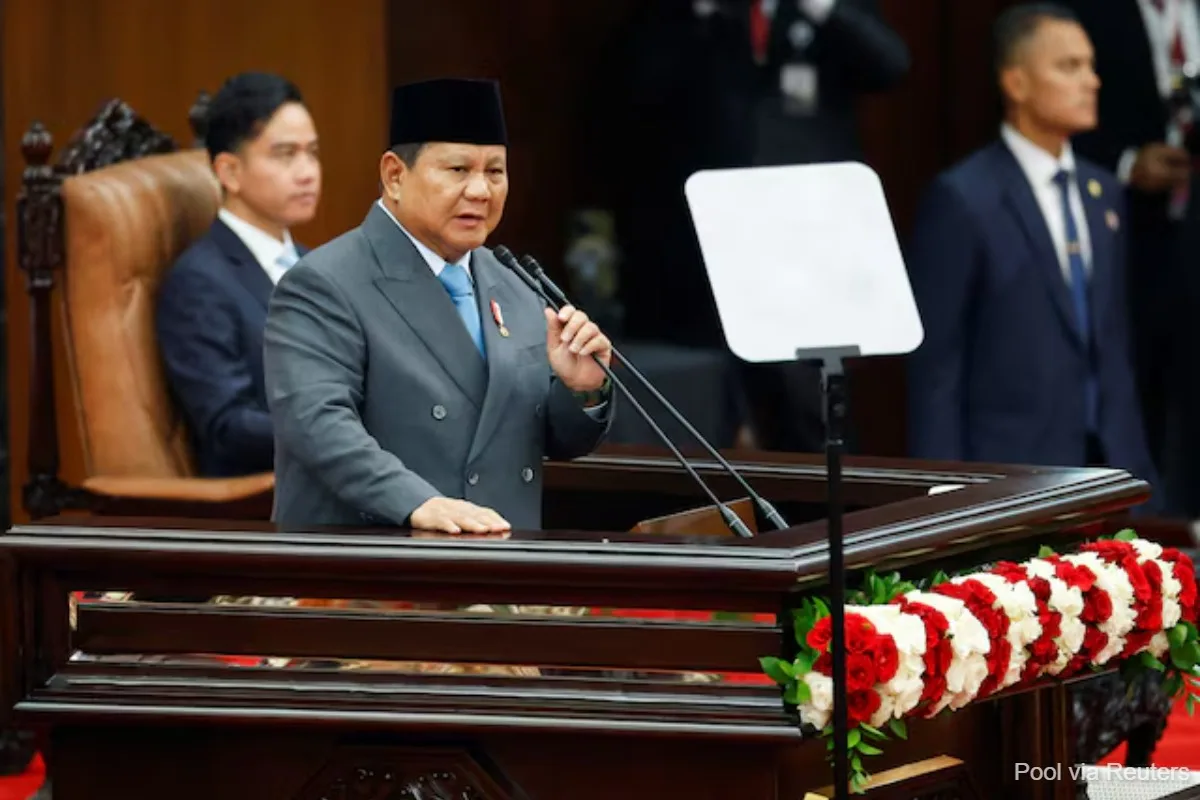
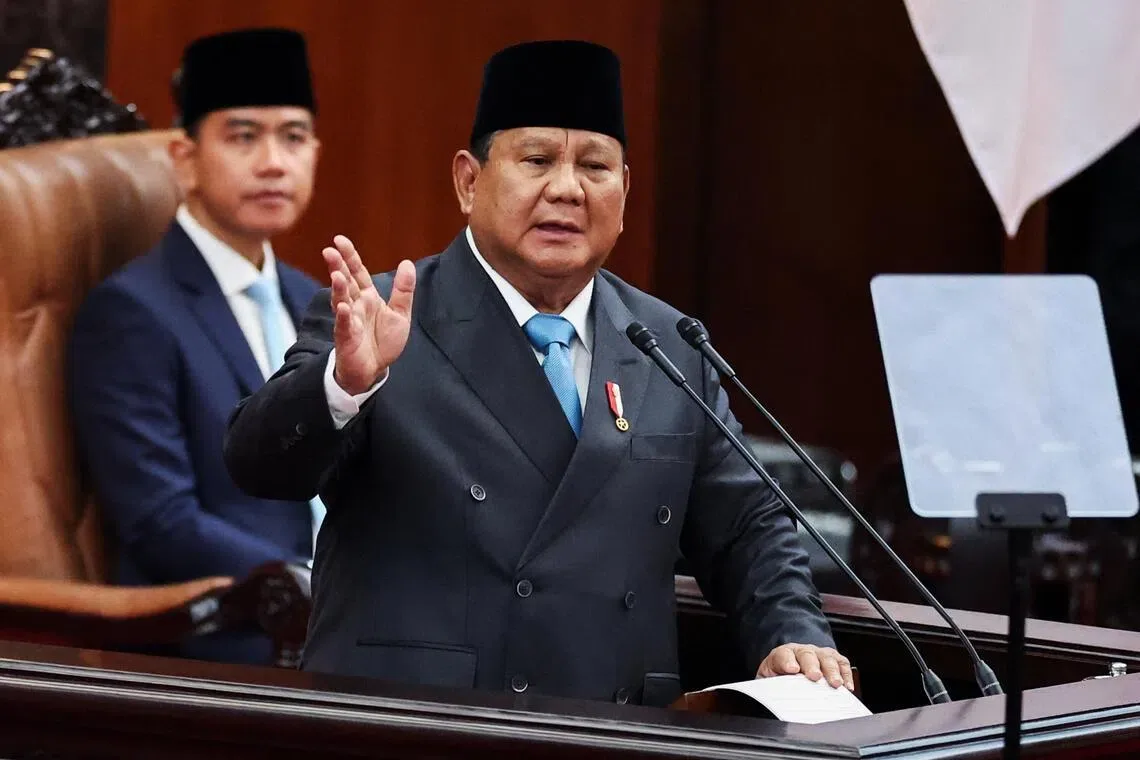
Revenue for 2027 is expected to reach between 11.82% and 12.40% of GDP, while state expenditures are projected at 13.62% to 14.80% of GDP, marking clear fiscal discipline efforts by the government [2]. President Prabowo Subianto outlined these targets in a rare parliamentary address, emphasizing the need for institutional reforms and food self-sufficiency to attract investment [1, 2].
Prabowo underlined private sector involvement as key, saying, “If we stay united and work together, private companies, SMEs, governments, regional or central, everyone has same calling — we can create magnificent prosperity” [2].
The government faces scrutiny after credit rating outlook downgrades early in 2026 by Moody’s and Fitch, and a January warning from MSCI about transparency issues that could see Indonesia downgraded to frontier market status [2]. These challenges add pressure on fiscal and economic management.
The 2027 targets illustrate Indonesia’s effort to balance fiscal consolidation with robust growth. President Prabowo’s address on May 20 marked a formal declaration of the country’s priorities for the coming year [1, 2].