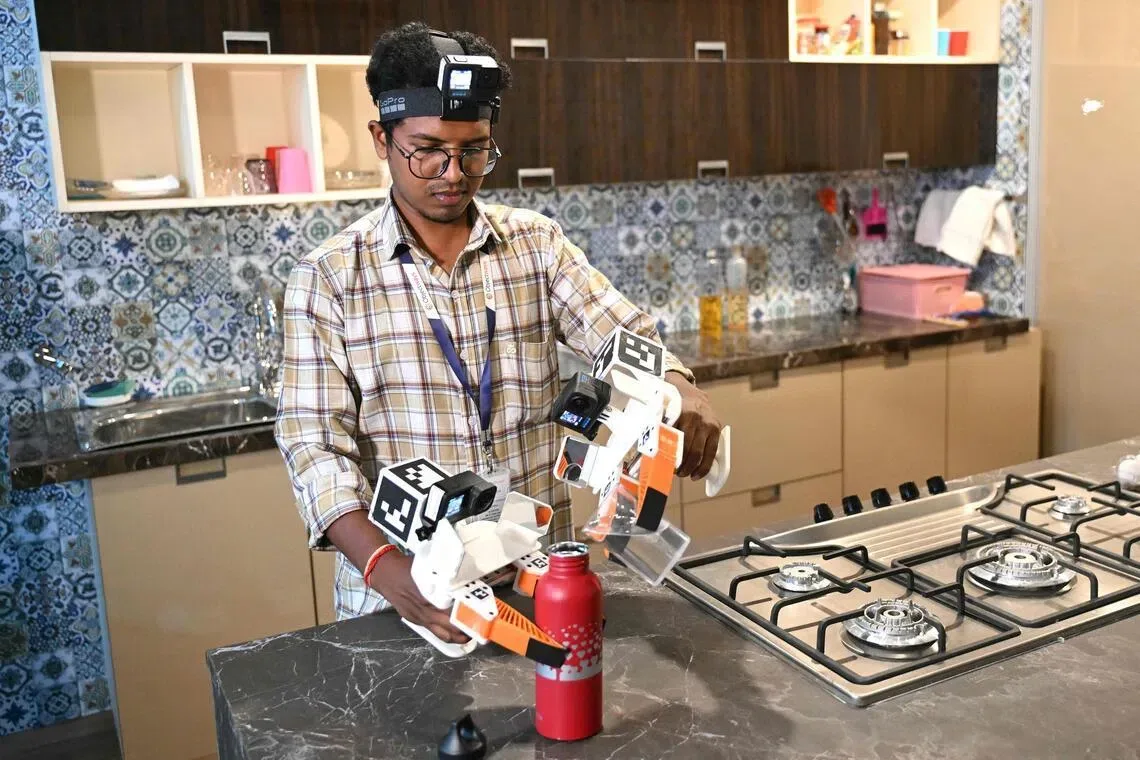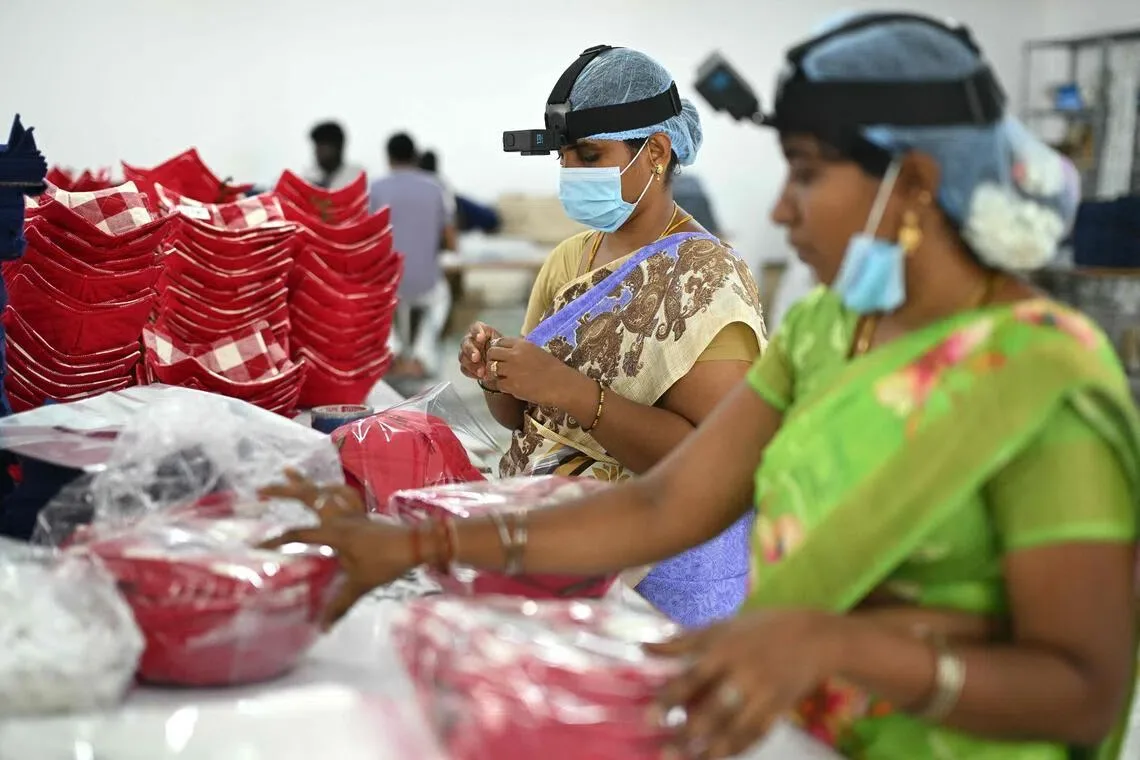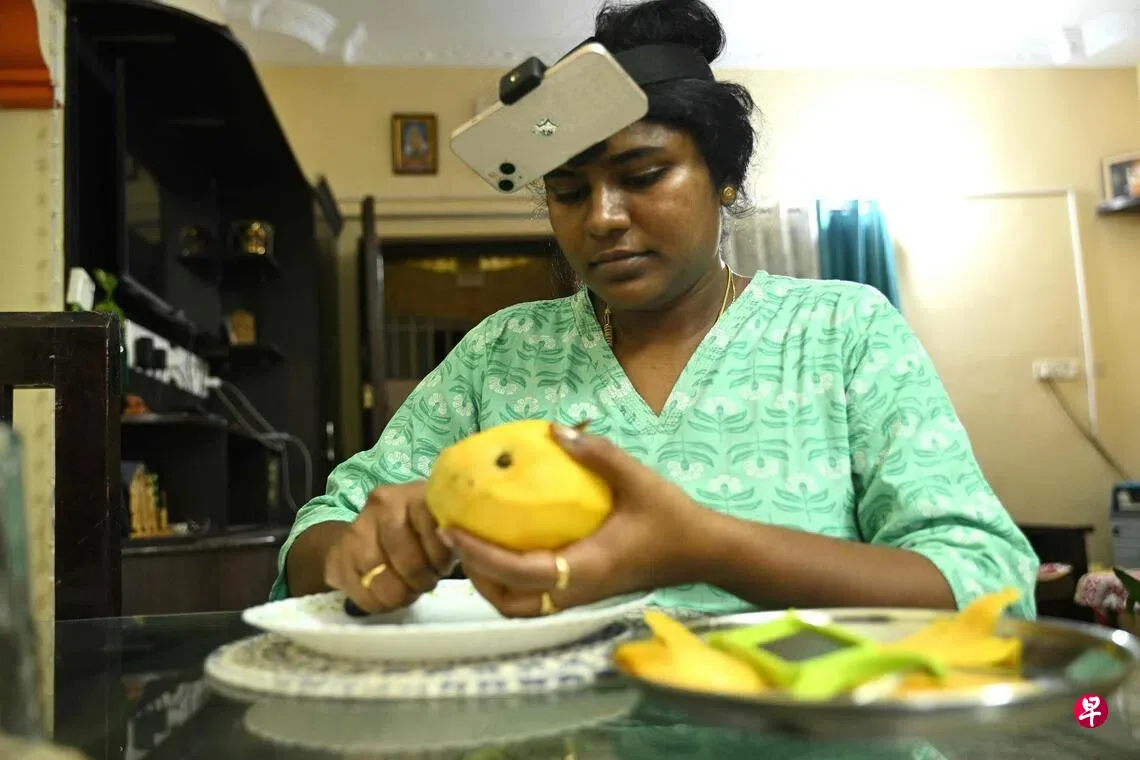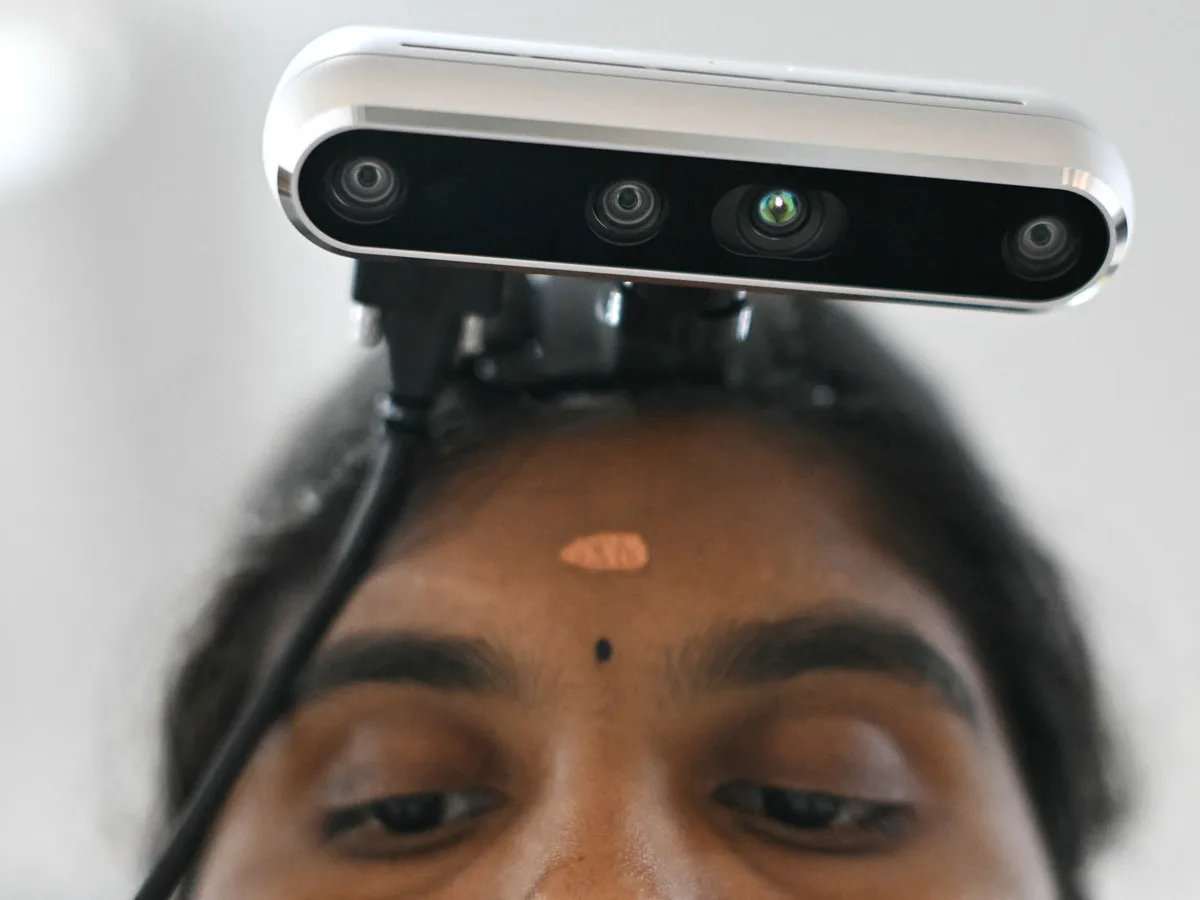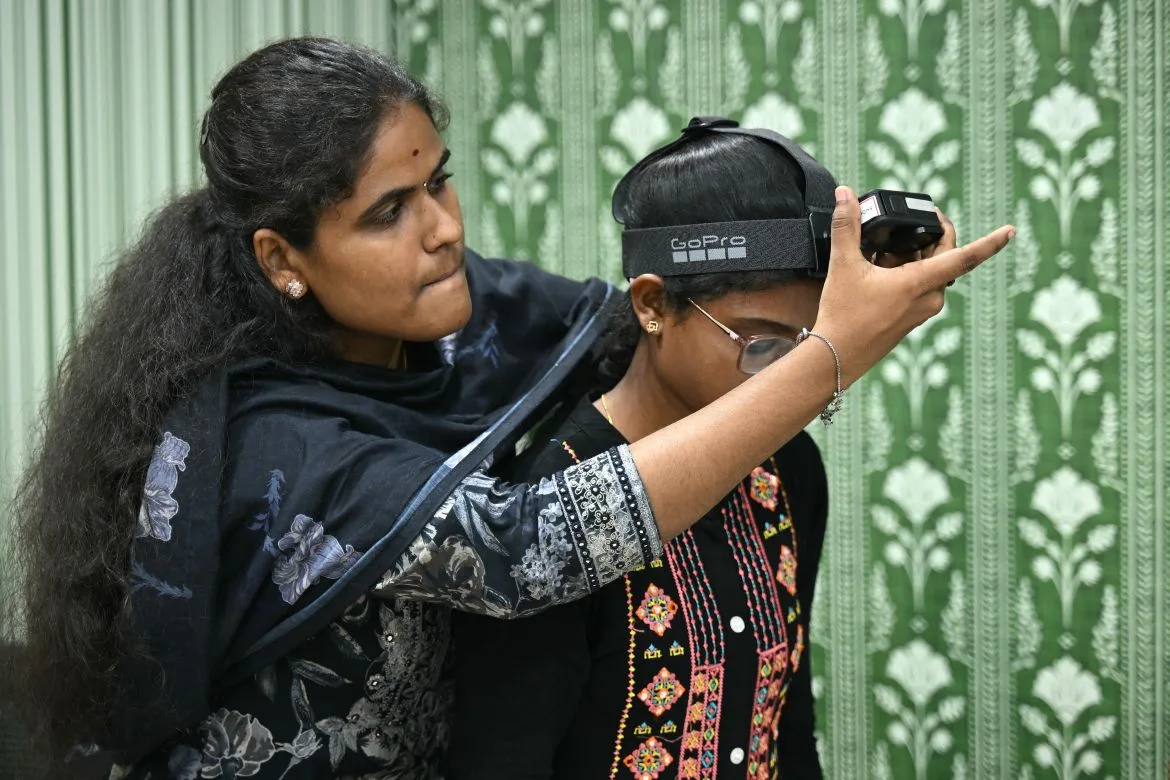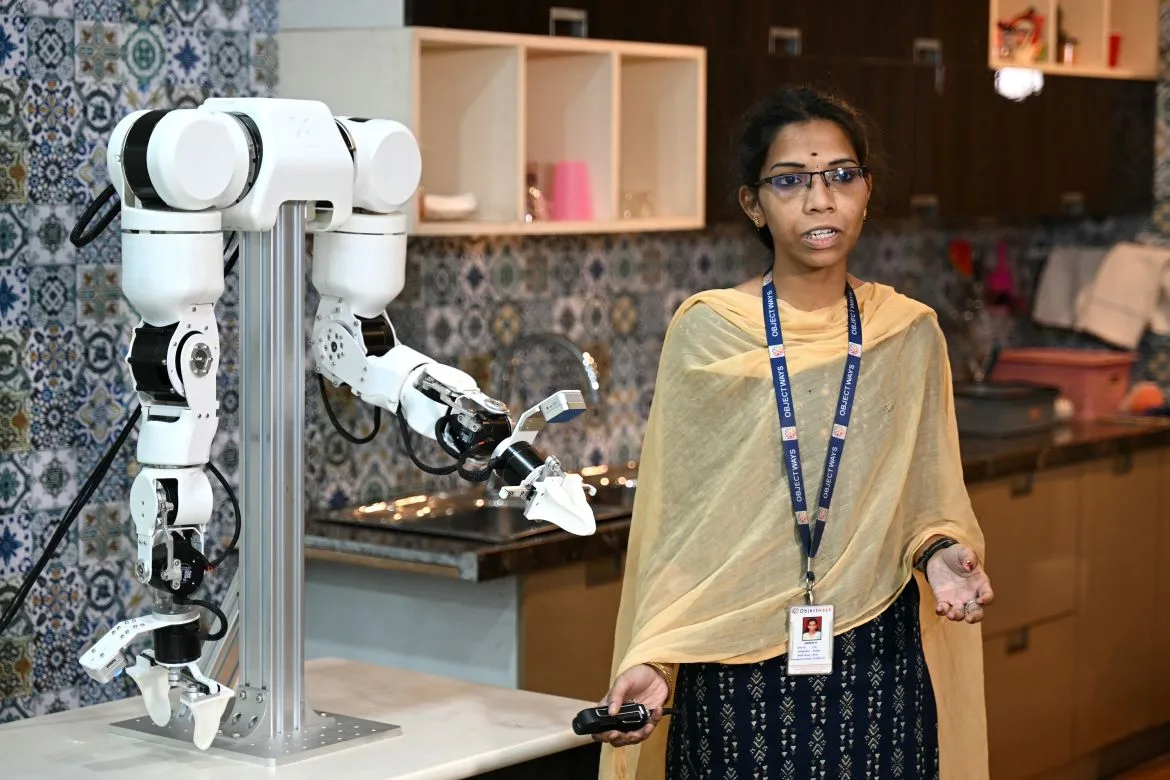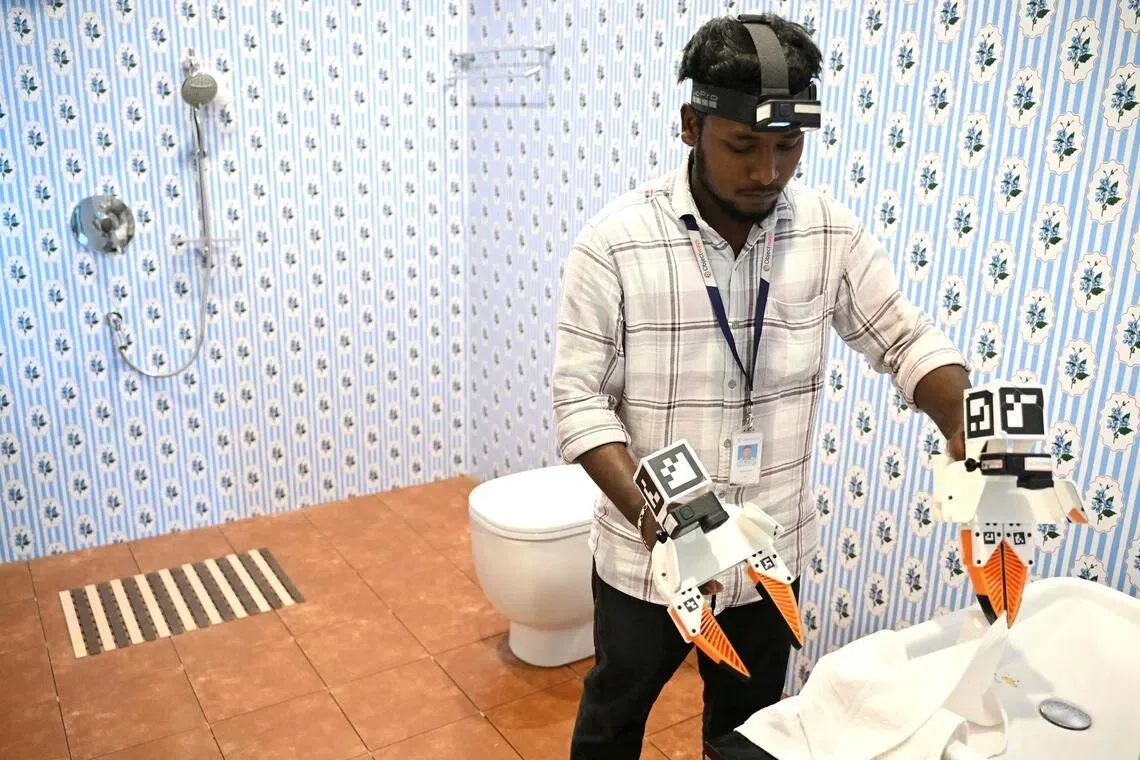
Thousands of Indian workers wear head-mounted cameras and motion sensors to record everyday activities. These videos help train AI robots to replicate human movements in real environments, a practice overseen by the US-Indian company Objectways, which serves Fortune 500 clients [1, 2, 3].
Participants include housewives like 25-year-old Nagireddy Sriramyachandra and factory employees in Tamil Nadu. They perform routine tasks such as folding clothes, cooking, making sandwiches, ironing, and attaching labels while recording the footage [1, 2, 3]. Sriramyachandra told AFP, "Who else will give you 250 rupees an hour just for doing housework?" She added, "I may get a robot myself in the future" [1, 3].
The workers earn about 250 Indian rupees ($2.6-$3) per recorded hour of video [1, 3]. Some use additional devices supplied by Objectways, including motion sensor wristbands and smart glasses, to capture precise movements [2].
Objectways CEO Ravi Shankar said, "Folding clothes, coffee making... cooking a very specific thing, sandwich making. Some jobs are supposed to be taken over, so humans can go and do better things" [1]. The company gathers egocentric data—first-person footage—to help robots mimic complex human actions for industrial and commercial uses.
The humanoid robot market is projected to exceed one billion units worldwide by 2050, mostly for industrial and commercial settings [1, 3]. India acts as a global hub for AI data creation, processing, and annotation, providing jobs in homes, factories, and studios like "sample apartments" where AI training footage is recorded [1, 2].
Aditi Surie, a digital labor expert, observed that "It’s likely that these data collection services will increase" as AI adoption grows [3]. However, India's government think tank NITI Aayog recently warned that automation could cause large-scale job losses, especially among the country's 490 million informal workers who form the backbone of the economy [2, 3]. The NITI Aayog report noted, "Little attention, if any, is paid to how AI can serve India’s 490 million informal workers, the very people who form the backbone of our economy" [3].
Some AI trainers expect collaboration between humans and robots rather than full replacement. One trainer suggested, "印度的焊工或许可以管理布拉格的一台焊接机器人" (Indian welders might manage robotic welders abroad) [2].
AFP and other media reported on these AI training efforts in Tamil Nadu factories and homes in June 2026 [1, 3]. The NITI Aayog report was released earlier in the month ahead of a global AI summit in India [2, 3].