Singapore’s Infocomm Media Development Authority (IMDA) suspended its review of Simba Telecom’s proposed S$1.43 billion (US$1.11 billion) acquisition of M1’s telecommunications business on May 18, 2026. The regulator uncovered possible unauthorized use of radio frequency bands by Simba during its evaluation, prompting an ongoing investigation that halted the deal review [1, 2, 3, 4, 5, 6].
IMDA found Simba may have used radio spectrum bands not assigned to it to offer mobile services, which breaches the Telecommunications Act 1999 and the conditions of Simba’s Facilities Based Operations Licence. IMDA said, "This would constitute unauthorised use of frequency spectrum, which is a breach of the Telecommunications Act 1999 and the conditions of Simba’s Facilities-Based Operations Licence. The review has been suspended until the investigation concludes" [1].
Simba confirmed full cooperation with the regulator and said it is reviewing the circumstances around the alleged unauthorized spectrum use [5].
The proposed acquisition would have consolidated the telecom sector for the first time in Singapore, creating a telco serving over 3 million mobile subscribers, second to Singtel’s approximately 4.5 million [1, 7]. Simba and M1 pledged to keep popular $10 and $12 mobile plans and stable pricing for at least two years after the merger [1, 7].
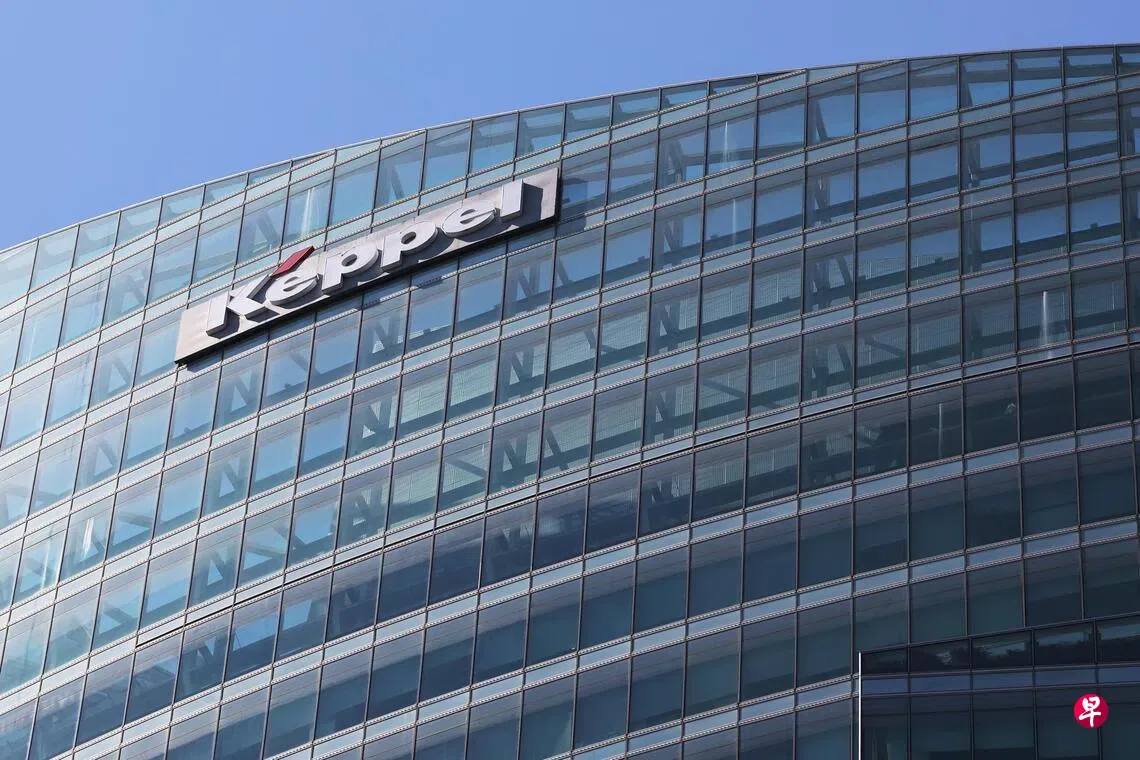
Keppel Ltd announced its intention to sell its 83.9% stake in M1 to Simba in August 2025. The transaction had a long-stop date for completion extended to May 21, 2026 [1, 2, 3, 8, 4, 5].
Following the IMDA suspension on May 18, shares of Simba’s parent company Tuas Limited plunged over 60%, while Keppel shares declined around 4-5% [8, 4, 9, 10, 7, 11]. Analysts at Macquarie Capital said the deal has effectively collapsed and no termination fees will be payable by either party [11].
Keppel announced on May 18 a 90-day plan to improve M1’s efficiency through rightsizing and cost reductions without harming customer experience. Keppel stated, "While awaiting the outcome of IMDA’s assessment, we have also been working on a Plan B, in case Keppel retains majority ownership of M1, which we will now start executing." The company emphasized focusing on operational efficiency amid challenges in Singapore’s telecom sector [2, 12, 11].
Before the suspension, IMDA's review considered competition effects and cybersecurity risks given M1's role as a major mobile and broadband operator [1, 2, 3, 4]. Radio frequencies are considered a scarce public resource requiring strict regulation to prevent interference and ensure efficient network operations [6].
Because regulatory approval is unlikely before the May 21 deadline, the acquisition agreement between Keppel and Simba is expected to terminate and become void [8, 10, 7, 11].