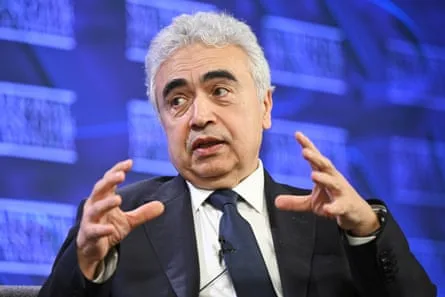
The International Energy Agency (IEA) warned that the global oil market risks entering a "red zone" in July or August 2026. IEA Executive Director Fatih Birol said this could happen if the worsening Middle East conflict persists and strategic oil reserves run low ahead of the summer travel season [1, 2, 3].
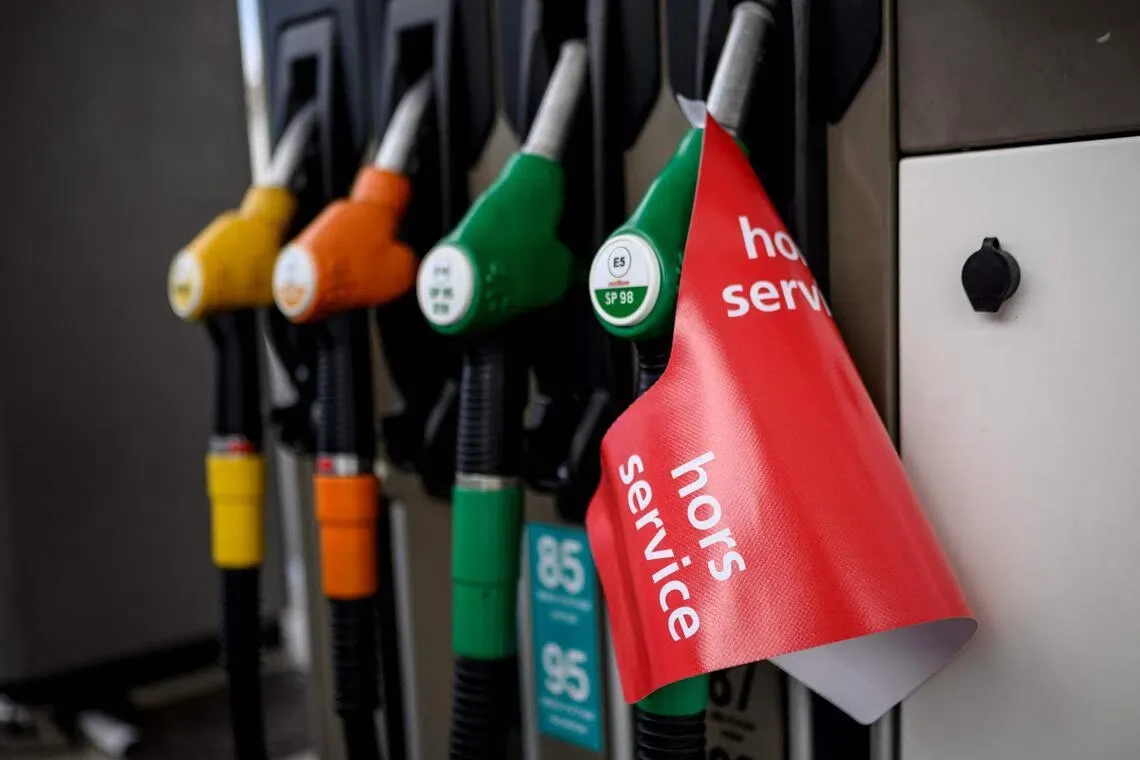
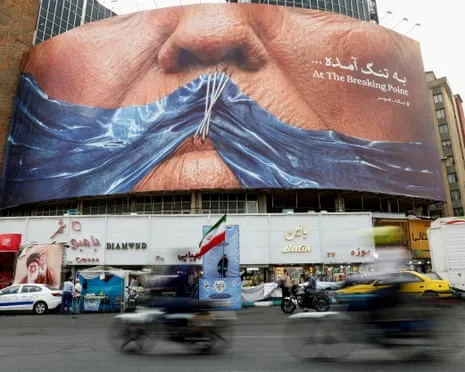
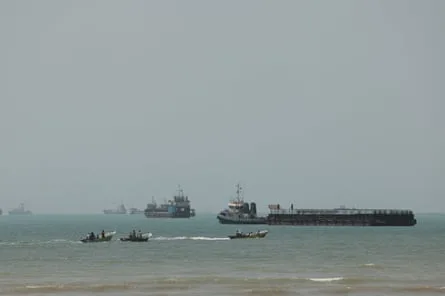
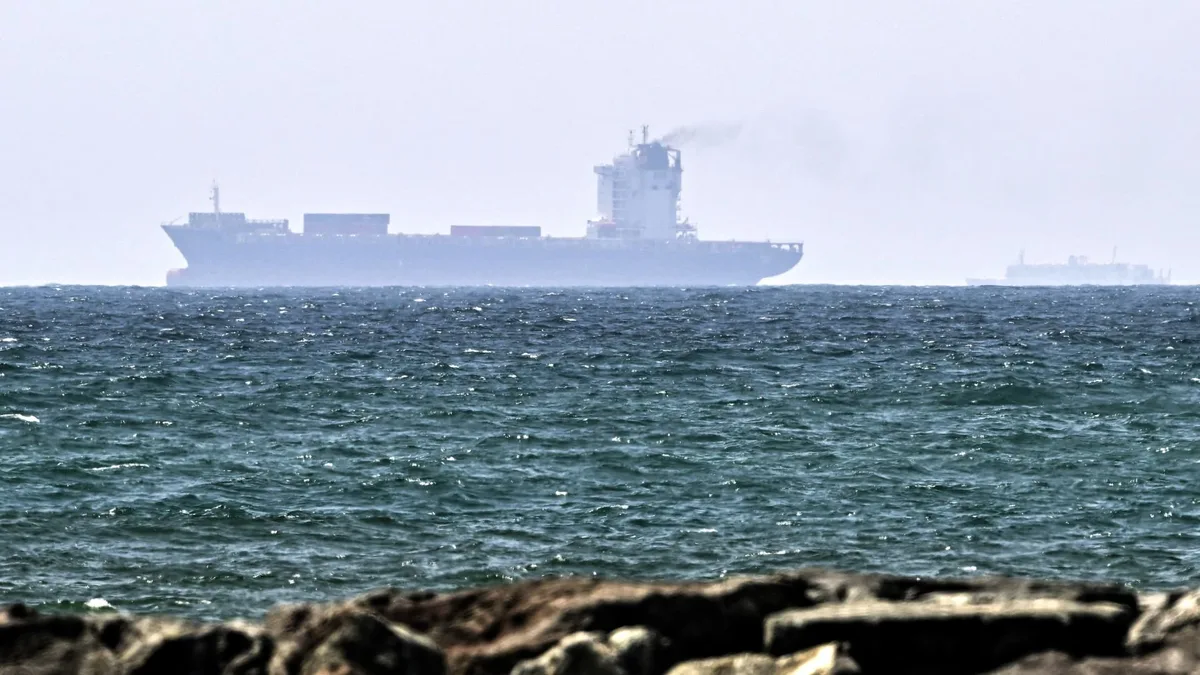
The supply shock stems from the Iran war and its impact on tanker traffic through the Strait of Hormuz. Since late February 2026, US and Israeli strikes have effectively halted tanker traffic in this critical chokepoint, cutting off about 14 million barrels per day of oil from the Middle East, the largest supply disruption in history [1, 4, 5, 6]. Birol said, "The most important and only solution is the full and unconditional reopening of the Strait of Hormuz" [5].
In response, 32 IEA member countries began coordinated releases of strategic oil reserves totaling approximately 400 million barrels from March 2026. These reserves are being released at a rate of 2.5 to 3 million barrels per day but are expected to be exhausted by early August, coinciding with the projected time the market enters the red zone [7, 8]. As of mid-May, about 80% of these planned reserve releases remain unused [1].
Oil prices have rallied under these conditions. Brent crude traded between $106 and $108 per barrel in mid-May, down from a peak near $126 but well above pre-war levels of roughly $70 per barrel before February 2026 [5, 9]. July Brent crude futures rose about 1.9% to over $104 per barrel on May 22 amid uncertainty over Iran nuclear talks and ongoing conflict [10].
The IEA warned that oil production and refining capacity in the Middle East will take a long time to fully recover. Countries like Iraq face difficulties reinvesting in production due to financial strains from the war and limited storage capacity that forces some fields to shut temporarily. Saudi Arabia and the UAE have more resources and technology and may resume production faster [1, 11, 6].
Birol also expressed concern over geopolitical risks affecting energy markets, citing potential exploitation by European extremist parties of rising inflation driven in part by higher oil prices [1]. He said, "I have never seen the dark and long shadow of geopolitics so dominant in the energy sector" [1].
The summer travel season typically boosts oil demand, further straining dwindling global stocks [1]. The IEA said member countries stand ready to release more strategic reserves if needed to ease tight supplies [7].
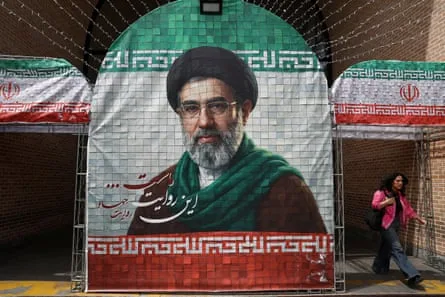
In related developments, India has significantly increased crude oil imports from Venezuela since May 2026, becoming its third-largest supplier with 417,000 barrels per day, to manage supply challenges [6]. Meanwhile, Iran’s Supreme Leader issued directives to retain enriched uranium domestically, complicating peace negotiations and prolonging supply disruptions [10]. US and Iranian officials continue to report conflicting signals on peace talks progress [10].
The IEA will monitor the situation closely as strategic reserves approach exhaustion in early August 2026, when the risk of entering the supply "red zone" is highest [7, 9].