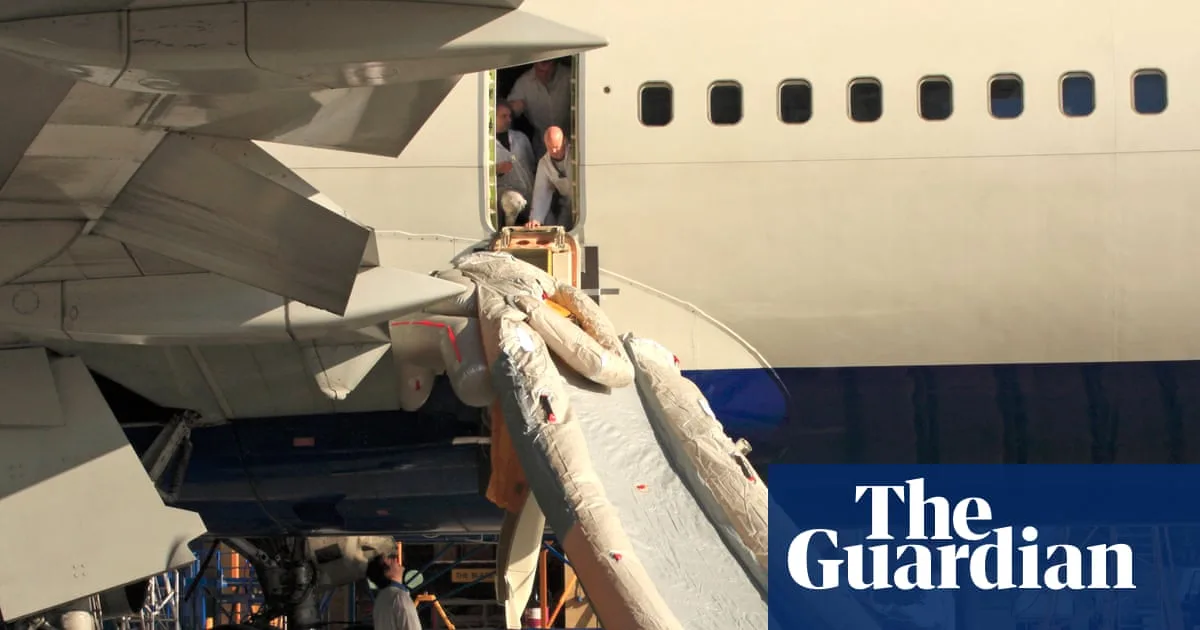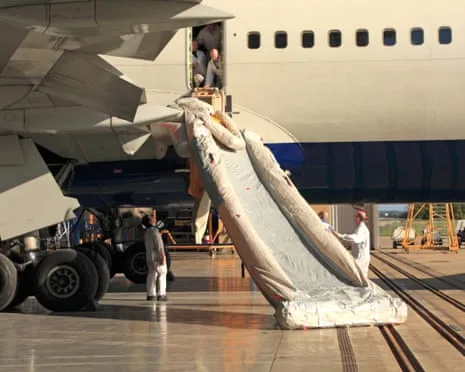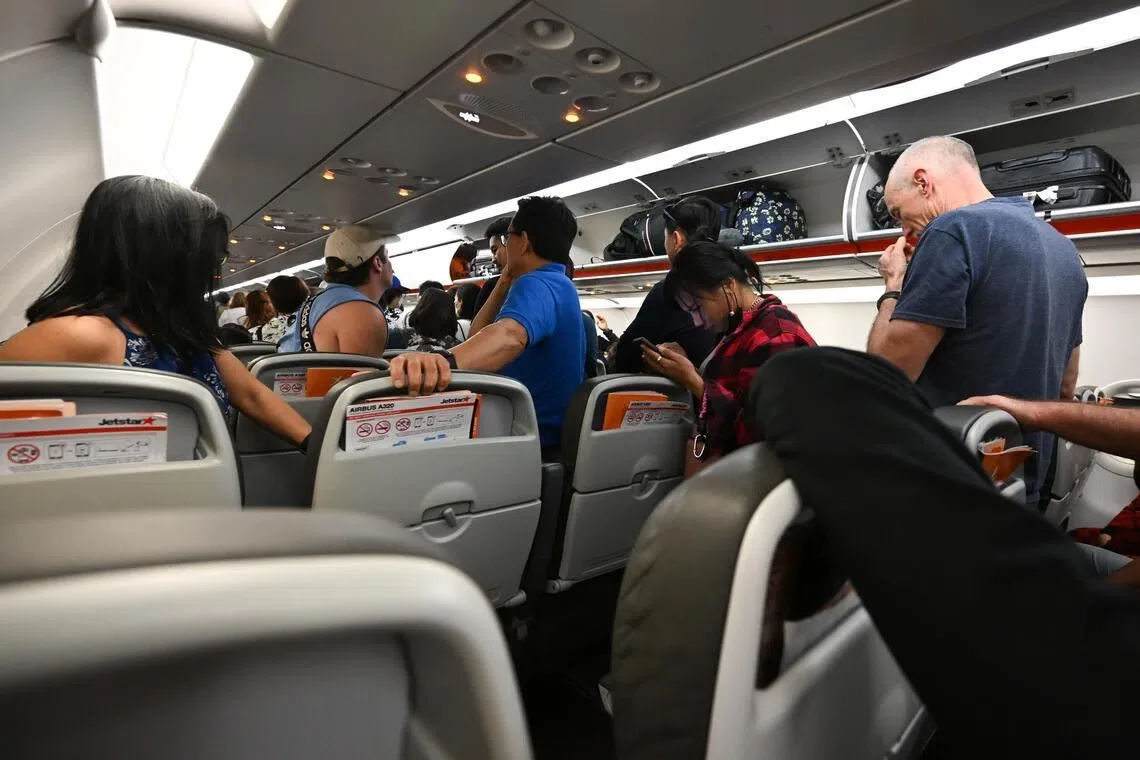
The International Air Transport Association (IATA) launched a global safety campaign on June 9, 2026, urging passengers to prioritize their lives over their luggage during emergency evacuations of passenger aircraft [1, 2, 3]. The campaign, themed “save a life, not a bag,” aims to raise awareness about the dangers of retrieving baggage during evacuations, which can slow down exits and cause injuries.
IATA’s senior vice-president for operations and security, Nick Careen, said, “It was most important to leave hand baggage behind. We need to drive the message home.” He also supported possible fines for passengers who fail to comply during evacuations, noting, “Yes, if we could implement them. It could progress because there are regulators who favour it.” [1]
Industry safety standards require passenger aircraft to be fully evacuated within 90 seconds in emergencies, but carrying or retrieving bags blocks aisles, damages evacuation slides, and causes injuries [1, 2, 3]. According to a recent IATA poll of 1,200 travelers from Singapore, the US, UK, and UAE conducted in early April 2026, only 61% of respondents knew they should leave hand baggage behind during an evacuation [1, 2, 3].
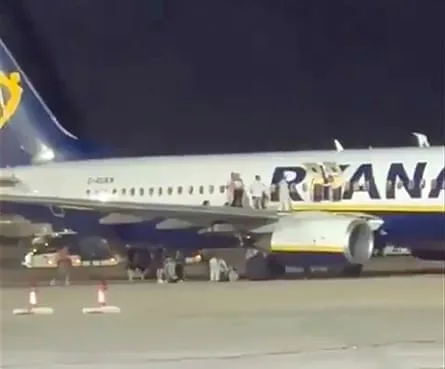
The campaign comes after several recent incidents where luggage retrieval endangered passengers. In September 2023, a passenger on an Air China flight at Changi Airport brought a trolley bag down an emergency slide and collided with another passenger [2, 3]. In March 2026, a United Airlines flight landing at Los Angeles International Airport experienced passenger non-compliance with baggage rules during evacuation [2, 3]. In July 2025, a Ryanair evacuation at Palma airport resulted in 18 minor injuries amid what passengers described as "utter carnage" [1].
The US Federal Aviation Administration (FAA) has also noted increasing cases where passengers do not follow crew instructions during emergencies. FAA administrator Bryan Bedford emphasized, "In those moments, compliance is critical. Passengers must act quickly, follow instructions without hesitation, and leave all belongings behind." [1]
IATA and aircraft manufacturers are not currently considering technical solutions like locking overhead bins but may explore penalties if compliance does not improve [1]. About 30 emergency evacuations occur annually worldwide [1].
The campaign will focus on education to increase awareness and encourage safer evacuation behavior. The next step will be monitoring passenger compliance and possibly working with regulators on enforcement measures to improve safety outcomes [1].