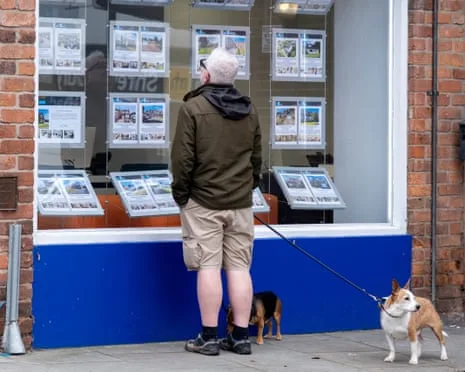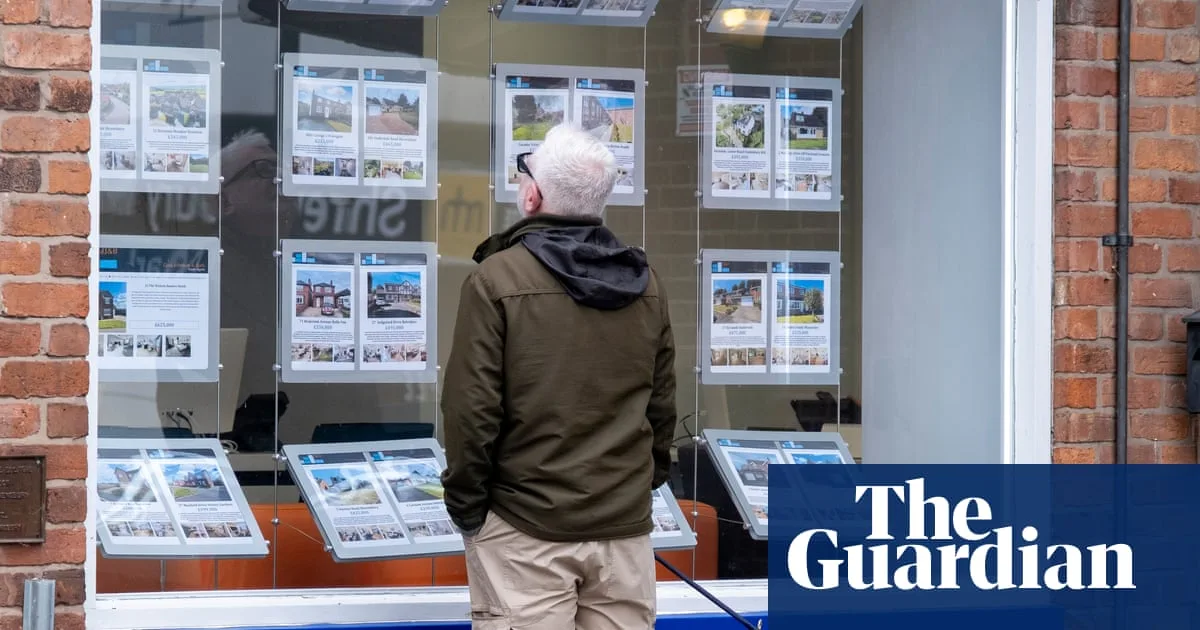
Estate agents in England and Wales reported a weaker housing market in April, with buyers and sellers becoming more cautious as fears of higher inflation and borrowing costs spread from the Middle East conflict. [1]
The Royal Institution of Chartered Surveyors said 34% more members saw fewer new buyer inquiries than more, while 36% more reported falls in agreed sales. Members also reported that house prices were falling, with 34% more seeing declines than rises over the past three months. [1]
Tarrant Parsons, head of market research and analysis at RICS, said: "Until there is a clearer path for inflation and borrowing costs, activity and sentiment look set to remain subdued, particularly across southern England and London where affordability pressures are most acute." [1]
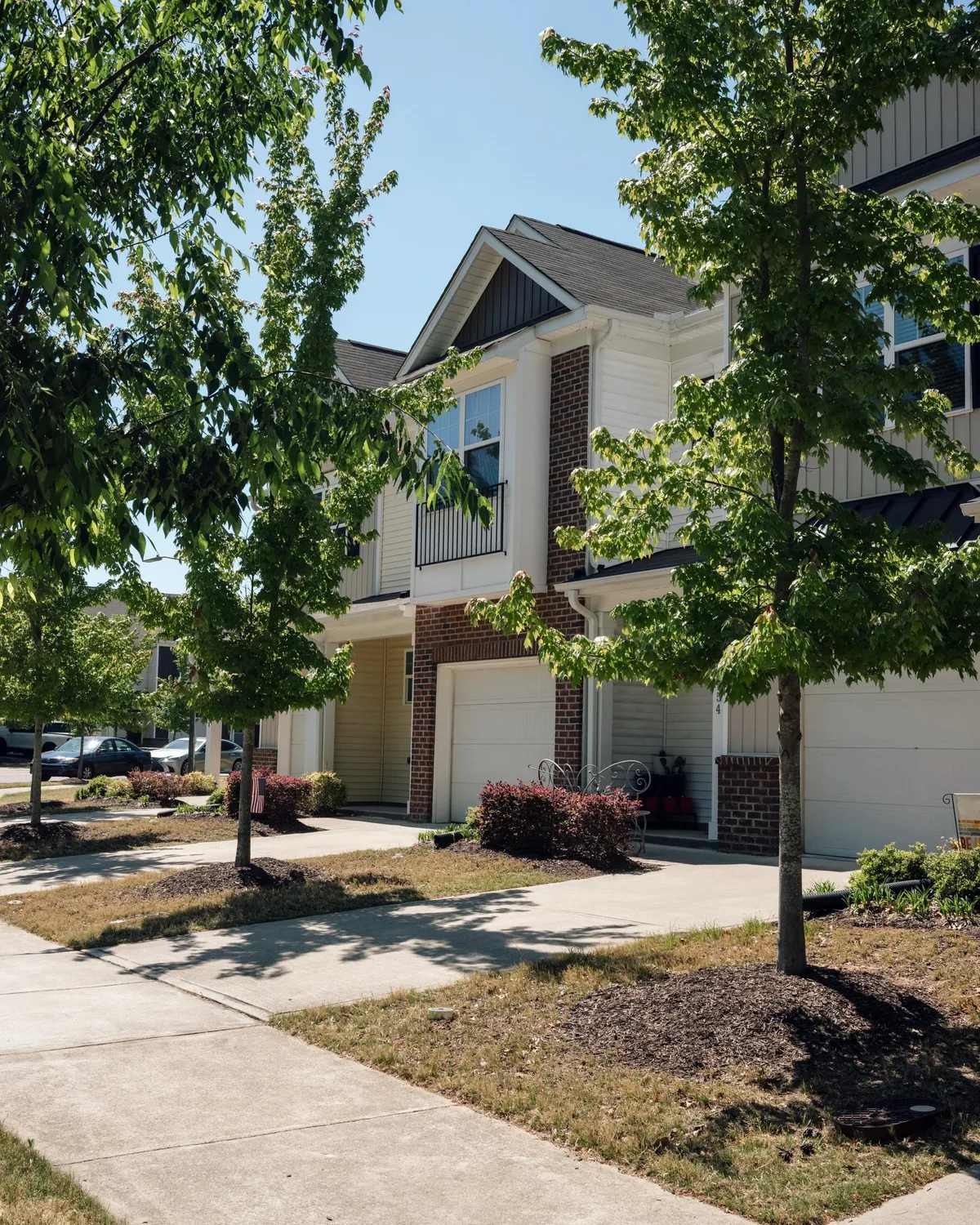
In the US, first-time buyers are also being kept on the sidelines by higher housing costs, higher mortgage rates and weaker consumer confidence tied to the Iran war. The National Association of Realtors said existing-home sales were flat in April after a 3.6% fall in March. [2]
Lawrence Yun, chief economist at the Realtors group, said the figures were "implying that consumers are taking their time before making decisions," while Moody’s Analytics deputy chief economist Cristian deRitis said, "You may not have fully seen the impact of the war quite yet." [2]
Both reports said the war is pushing mortgage rates higher through inflation and market expectations, but they pointed to softer demand and slower sales rather than a market collapse. The Bank of England warned last month that interest rates may need to rise because higher inflation was unavoidable due to the war in the Middle East and higher oil and gas prices. [1, 2]
In England and Wales, RICS members in April also reported a deterioration in agreed sales and house prices, adding to signs of a slower market. In the US, buyers such as 28-year-old Lillian Rouse and 29-year-old Mark Debney, who have a combined annual income of $120,000, remained priced out of a market hit by mortgage costs. [1, 2]
The next key data point is the continued flow of housing market readings and policy signals on rates and inflation, which will show whether demand stays subdued or improves. [1, 2]