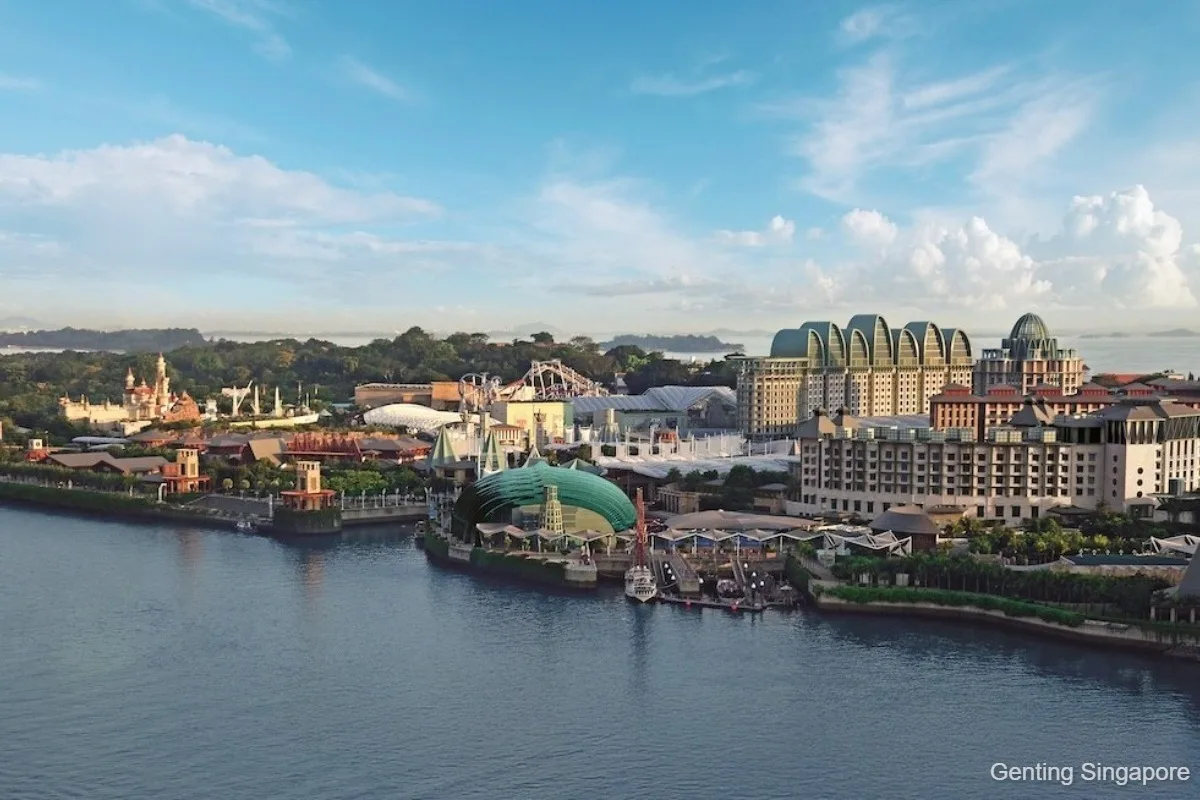
Genting Singapore's net profit for the first quarter of fiscal 2026 fell 55% year-on-year to about S$65.2 million, the company said following the quarter ending March 31, 2026 [1, 2, 3, 4]. Group revenue declined 3% to S$607.6 million, driven mainly by an 8% drop in gaming revenue to S$403.4 million. Non-gaming revenue rose 8% to approximately S$204 million [1, 2, 3, 4, 5]. Adjusted EBITDA decreased 24% to around S$179 million [2, 3, 4, 5].
The company attributed part of the challenges to escalating cost pressures from the ongoing Middle East conflict and global geopolitical tensions. A Genting Singapore statement noted that higher energy, freight and logistics costs, along with elevated airfares, weighed on travel demand and consumer sentiment. It said gaming revenue showed "improving momentum towards the end of the period" despite these headwinds [4].
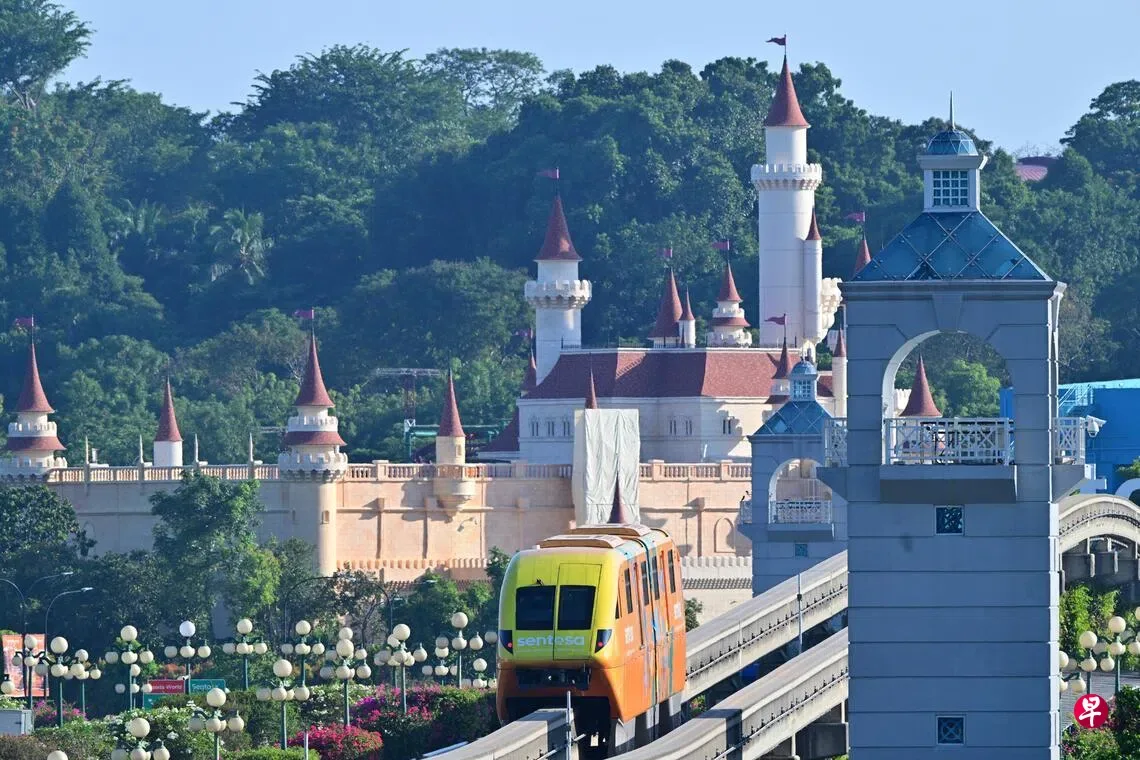
Following the quarterly results announcement on May 12, Genting Singapore shares fell sharply by up to 11.6% the next day, erasing nearly S$970 million in market capitalization [3, 6, 7, 8]. DBS Group Research downgraded the stock to "hold," citing a challenging outlook due to weaker tourist inflows and a locational disadvantage against competitor Marina Bay Sands (MBS) [9, 10]. DBS analyst Chee Zheng Feng said Resorts World Sentosa's position on Sentosa island is "relatively less accessible" than MBS, requiring "significant activation efforts" and a "comprehensive rethink" of strategy to regain past profitability [9].
In contrast, Marina Bay Sands reported a strong first quarter with a 30.2% earnings rise to US$788 million and revenue growth of 27.9% to about US$1.5 billion for the same period [8, 9].
Genting Singapore is focusing on asset optimisation, seasonal events, promotions, and refreshed dining and lifestyle offerings to improve guest experience and diversify revenues [4, 5]. The quarter ended March 31, 2026 [2, 3, 4]. Genting Singapore plans to update investors on its strategic initiatives and upcoming financial results in the next quarters.