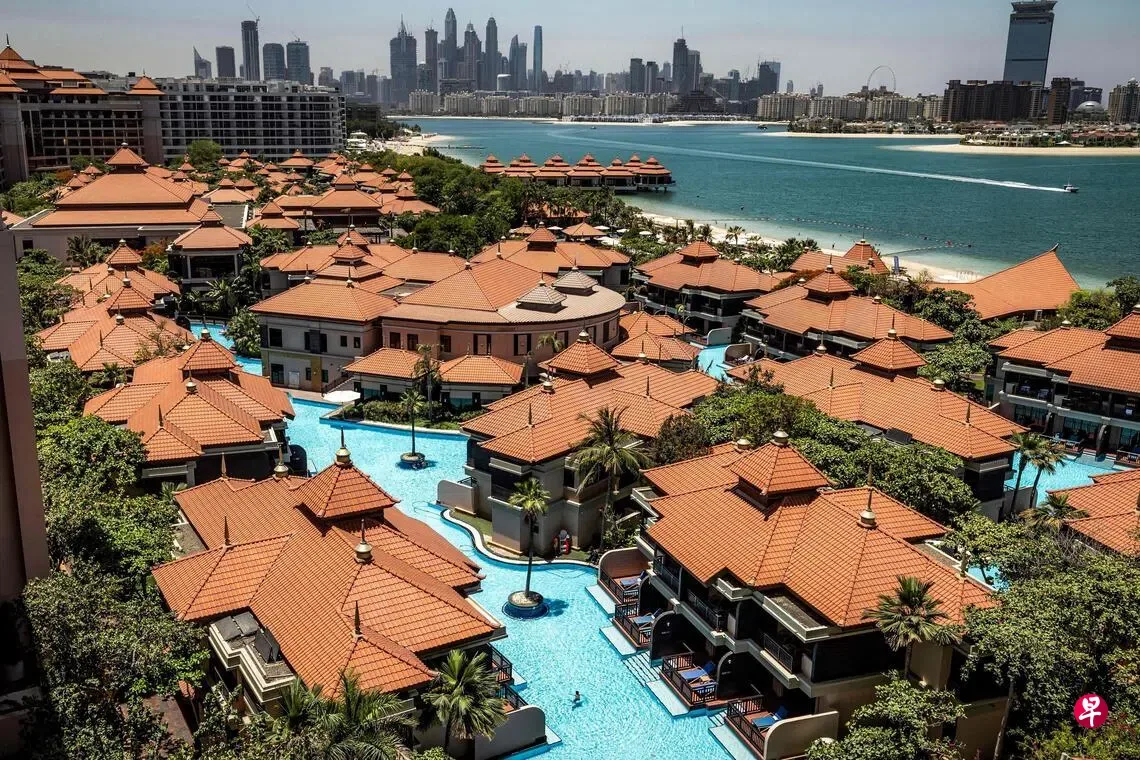
Dubai's hotel industry has seen a sharp decline in international visitors due to a Middle East conflict that began with US-Israeli strikes on Iran on February 28, 2026, triggering missile and drone attacks on UAE hotels including those on the Palm and Burj Al Arab [1, 2, 3, 4]. Before the war, Dubai hosted about 19.5 million tourists annually, with hotel occupancy averaging over 80% across its 827 hotels, including 173 five-star properties [1, 2, 3, 4].
Since a shaky ceasefire came into effect on April 8, some tourists have started returning, but local residents now form the main customer base for luxury hotels [1, 2, 3, 4]. Hotels are offering residents-only staycation discounts of up to 50%, making luxury stays more affordable to locals than before. Fadi Iskandarani, a Dubai resident, said, "I had never been in a hotel on the Palm because the prices were crazy. Luxury in Dubai has become affordable for residents, before it was just for the rich, very rich people" [1].
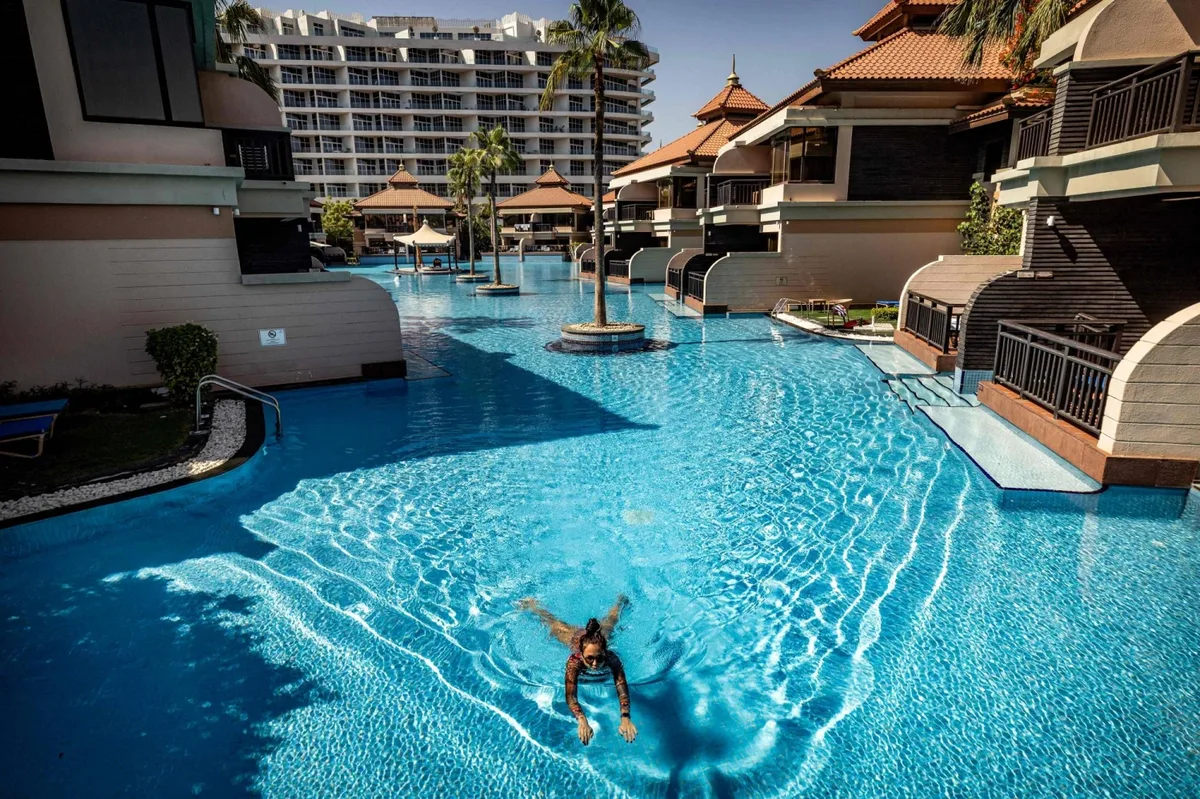
Weekend occupancy rates at hotels such as Anantara The Palm Dubai Resort range from 70% to 90%, while weekday occupancy drops to about 20% to 30% [1, 2, 3, 4]. Michael Robinson, general manager at Anantara The Palm, noted that "this new clientele has offered hotels a lifeline, allowing Anantara The Palm to remain cash positive without resorting to layoffs" [1]. Some other hotels, especially those outside the Palm and reliant on business travelers, have temporarily closed floors, halted renovations, or cut staff salaries by up to 40% during the war, although salary levels have recently been restored [1, 2, 3, 4].
Local staycation guests typically stay only one or two nights, compared to about a week for international tourists, limiting hotel revenues [2, 3]. Industry experts warn that if international arrivals do not rebound by July, when school holidays start, local staycation demand may fall as families leave Dubai for summer [2, 3]. Robinson said he remains cautiously optimistic, adding, "If future peace progress is seen in about a month, tourist return could be faster than expected" [2].