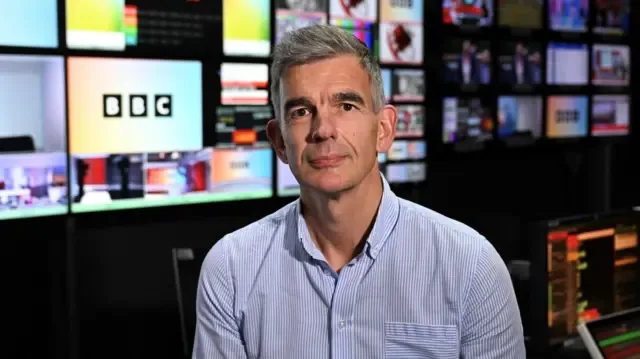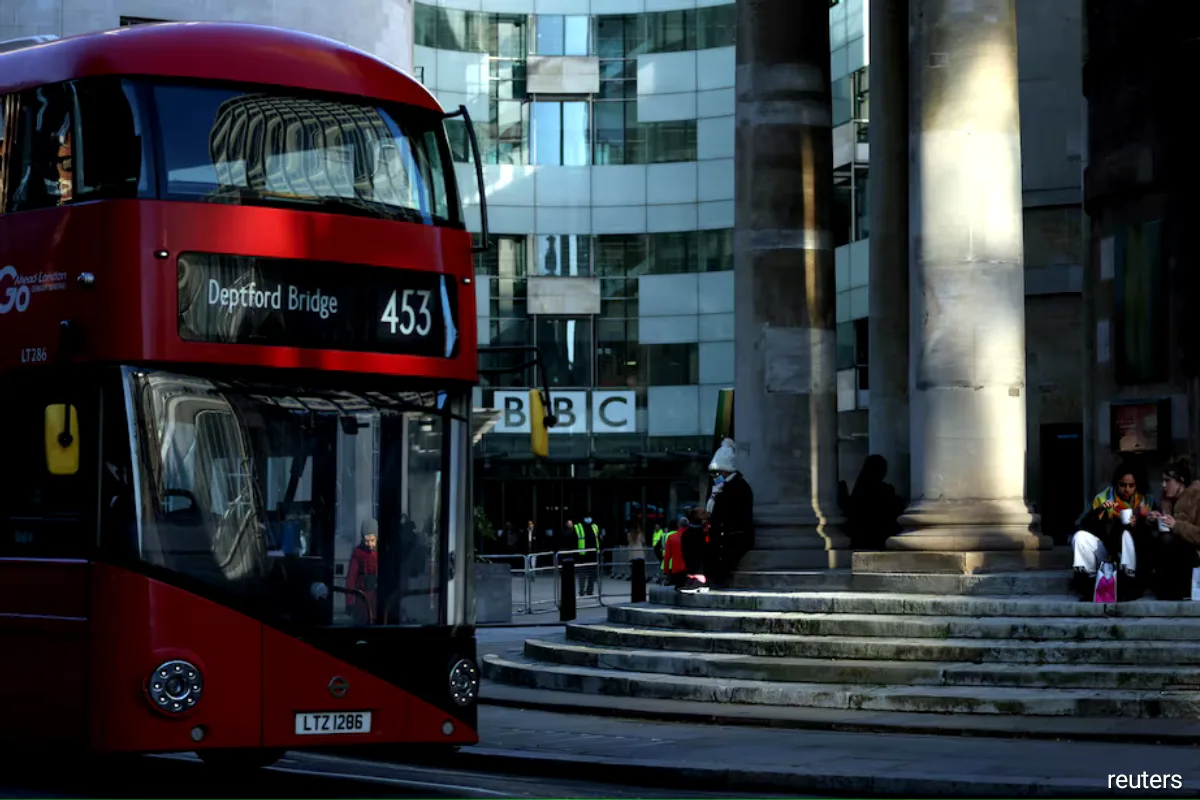
The BBC announced on June 17 it will cut 550 jobs in its news, nations, and content divisions as the first phase of a cost-saving program targeting £500 million in savings over three years [1, 2, 3]. The reductions aim to save around £160 million in the current financial year alone through these 550 role cuts [1, 2, 3, 4].
Overall, the broadcaster expects to reduce headcount by between 1,800 and 2,000 jobs across the organization by 2029, including about 700 corporate roles planned for announcement in the coming months [1, 2, 3, 5, 6, 7]. At least 10% of senior leadership positions will also be eliminated during the restructuring [1, 2, 3, 8, 7].
BBC Director-General Matt Brittin, appointed in May following Tim Davie's resignation, said "reductions of this scale inevitably mean some compulsory redundancies, though we will work hard to avoid this wherever we can" and acknowledged that "we will also have to close some programmes" [2]. The changes come amid a roughly 25% real-terms decline in BBC licence fee income since 2017, putting pressure on funding [2, 3, 8, 7].
An internal BBC email on June 18 revealed plans to close long-running shows, including ending Radio 4's 'The World Tonight' after 56 years. Acting BBC News Director Jonathan Munro said the decision was "very difficult" but justified by the ability to merge audiences with 'Newshour' and improve efficiency [8]. Former 'The World Tonight' host Robin Lustig expressed sadness at the ending of the respected programme [7]. Other programme changes include reducing the number of hosts on 'Today' and ending Sunday broadcasts of the 'Breakfast' TV show, with these adjustments scheduled to begin around September 2026 [8, 7].
The BBC will also reduce original commissioned content, cutting 350 to 400 hours of audio and 100 to 150 hours of programming by the end of the 2027-28 fiscal year [8, 7]. Broadcast TV and radio networks will be reviewed and adjusted to reflect audience shifts toward online platforms [1, 8, 7]. Weekend TV news production will merge with BBC One, and international news content will be enhanced to attract audiences outside the UK [8, 7].
Labour unions BECTU and NUJ criticized the cuts as "devastating for the workforce" and warned of impacts on public service quality. BECTU head Philippa Childs called them "devastating" despite being expected, while NUJ general secretary Laura Davison said the BBC should not "retreat from its public service commitments" [1, 2, 8, 7].
The BBC currently employs about 21,500 staff as of March 2025 [5, 4, 6, 7]. Brittin said, "We live in very uncertain times. Our audiences rely on us every day to keep them informed, entertained and equipped to make sense of the world" [1].
The broadcaster’s Royal Charter is due for renewal in 2027, adding uncertainty over future funding and operations [8, 7]. Brittin plans to hold an all-staff call on June 23 to discuss the announced job cuts and answer questions [8, 7].