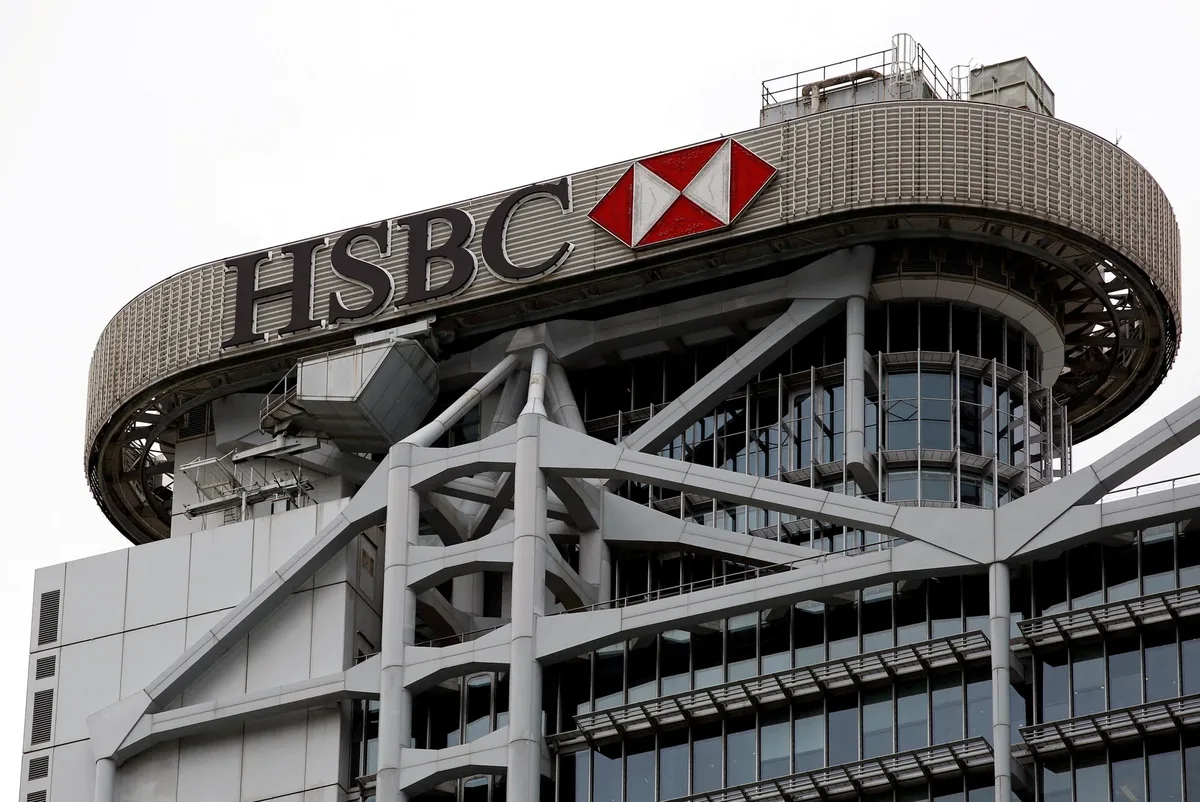
Global banks are increasing their adoption of artificial intelligence technologies, leading to large-scale job reductions and attracting regulatory attention in Europe. Standard Chartered plans to cut more than 15% of its corporate function roles by 2030 due to AI integration, CEO Bill Winters describing these as reductions in "lower-value human capital" [1]. HSBC is considering eliminating roughly 20,000 jobs by replacing middle and back office workers with AI-driven automation, CEO Georges Elhedery said generative AI will "destroy" some jobs but also create new ones [1].
Goldman Sachs COO John Waldron called their operations a "human assembly line" ripe for AI automation [1]. JPMorgan Chase CEO Jamie Dimon said AI will "affect virtually every function" at the largest U.S. bank [1]. These moves reflect broader cost-cutting strategies, with over 10,000 Wall Street jobs cut in 2025, the most since 2016, where AI enabled workforce reductions [2]. Bank leaders frame these cuts as efficiency improvements, though AI provides a new scale for headcount trimming [2].
Meanwhile, regulatory bodies in Europe are reacting to AI deployment in banking. The European Banking Authority (EBA) is coordinating with national regulators to ensure human oversight of AI systems, especially for credit assessments and repetitive middle and back office tasks. Ruta Merkeviciute, head of digital finance at the EBA, said "if AI is being used for credit assessments, these kinds of metrics, these results should be checked with humans" [1]. This contrasts with the lighter regulatory approach taken in the U.S., where no comparable AI banking regulation currently exists [1].
These developments signal heightened scrutiny as banks pursue aggressive AI automation while regulators try to maintain accountability and reduce risks associated with AI decision-making. Standard Chartered’s planned role reductions are scheduled for completion by 2030 [1].