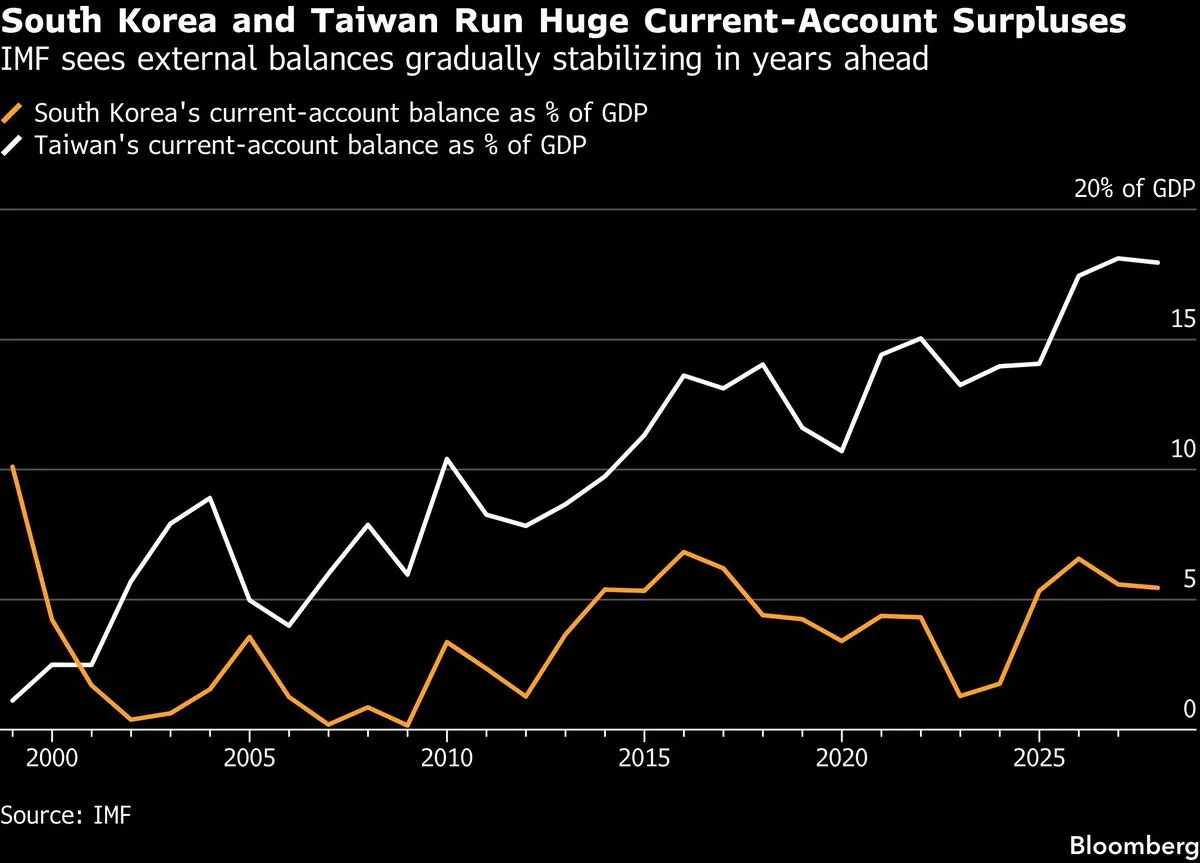
South Korea, Taiwan, and Japan have seen unprecedented cash inflows from AI-related chip exports, creating a concentrated Asian savings glut that supports low US borrowing costs similar to the late 1990s and early 2000s. [1, 2]
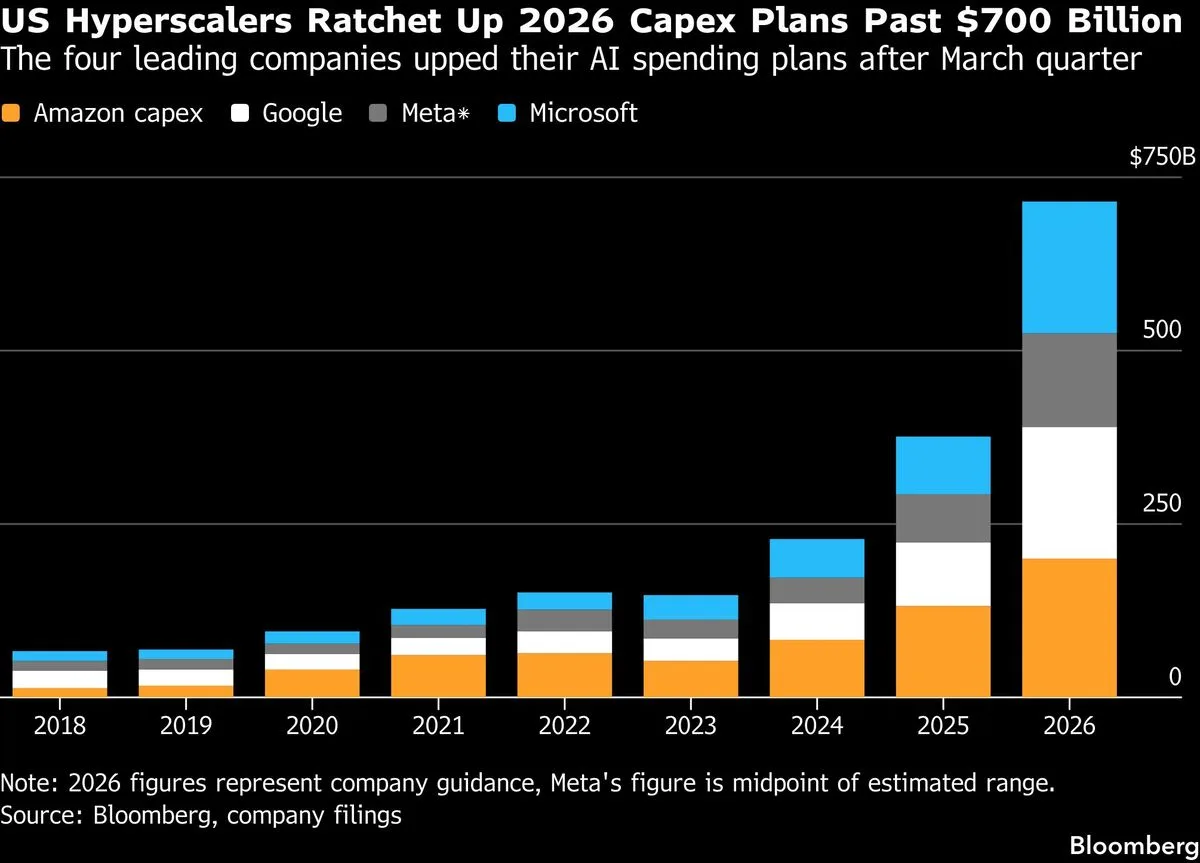
Export earnings from these Asian technology producers convert into external surpluses faster than domestic investments can absorb, recycling much of the capital into US dollar assets. This process indirectly finances capital spending by large US tech hyperscalers including Alphabet, Meta, Microsoft, and Amazon. [1, 2]
Louise Loo, Head of Asia Economics at Oxford Economics, said, "This framework of Asian savings recycled into US assets echoes Bernanke’s savings-glut framework two decades ago. But today’s AI-linked version of Asian surplus recycling is narrower and more concentrated." [2]
Chip exports have surged despite economic headwinds like higher energy prices due to the Iran war. The boom fuels fast economic growth in Taiwan and boosts the tech-heavy economies of Japan and South Korea. [1, 2]
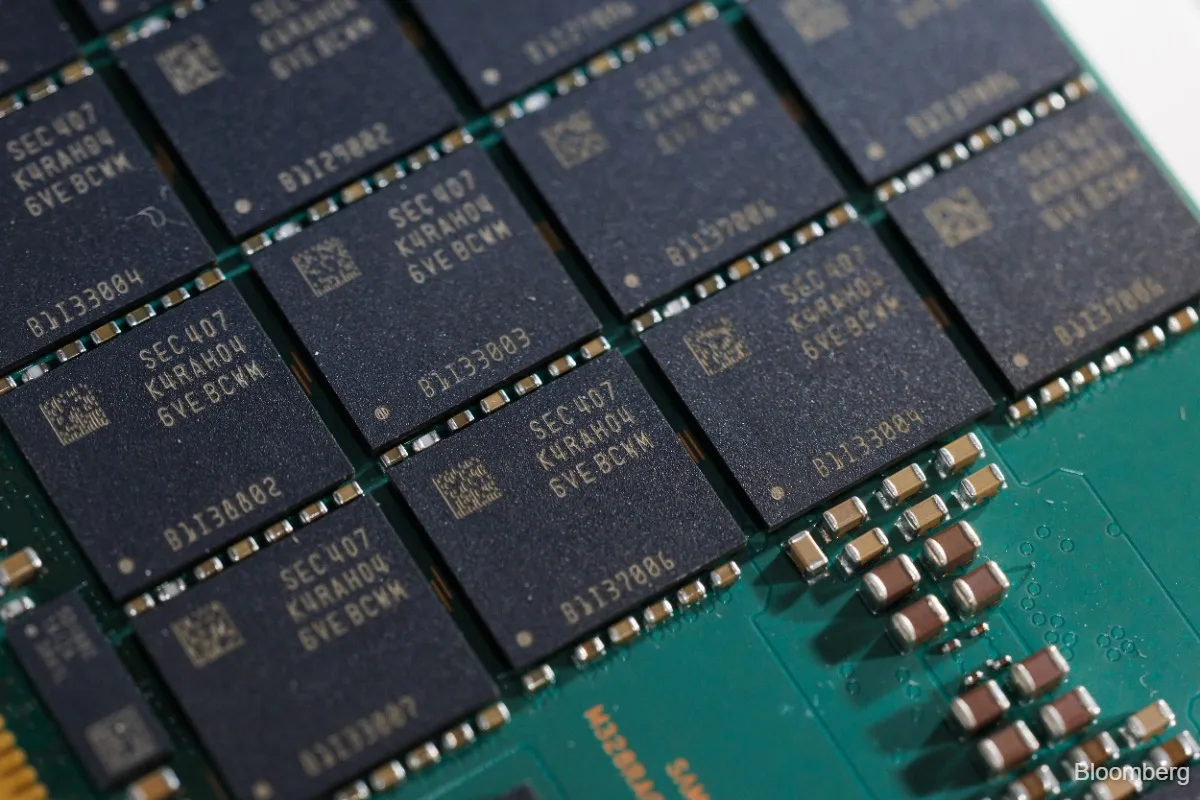
Taiwan Semiconductor Manufacturing Company (TSMC), a key chipmaker to Nvidia and Apple, is at the core of this export windfall. [1, 2] Samsung Electronics’ semiconductor division reported a 48-fold jump in profits in the first quarter of 2026. [1, 2]
Taiwan’s current account surplus jumped 111% year-on-year to US$62.5 billion in Q1 2026. [2] South Korea’s chip exports surged nearly 53% year-on-year in the first 20 days of May 2026 after adjusting for working days. [2]
The continuing chip export growth and savings surplus recycling are expected to sustain the support for global tech investment in the near term. [1, 2]