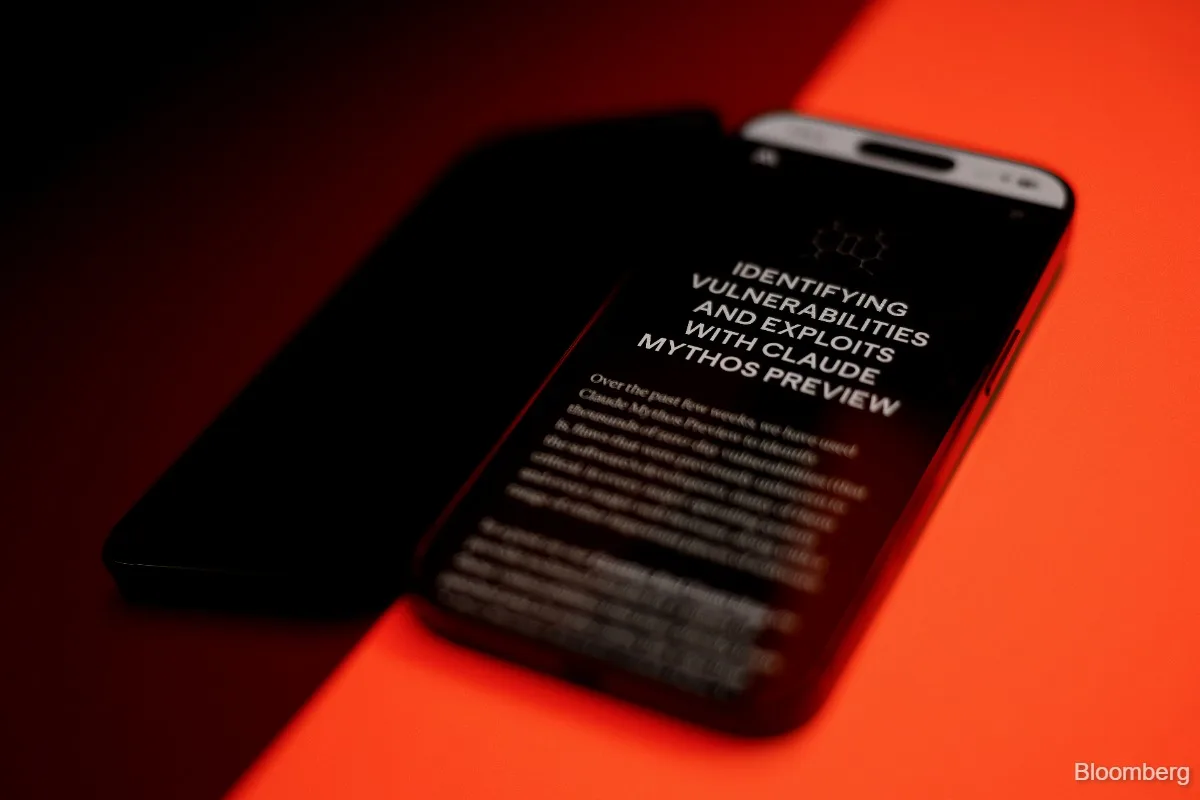
Anthropic announced plans to provide the European Union’s cybersecurity agency, ENISA, with access to Mythos, a powerful AI model that can identify and exploit vulnerabilities in computer systems [1, 2, 3]. This access is part of Project Glasswing, which lets select organizations test Mythos ahead of its wider release [1, 2].
The decision to grant ENISA access followed talks between the European Commission and Anthropic, including meetings in San Francisco on June 1. Commission officials confirmed progress but noted that the exact terms of access are still being negotiated. "They have proposed to let us use the model, but the specific conditions are still being negotiated," an ENISA spokesperson said [1, 2, 3].
Anthropic first rolled out Mythos in April 2026 to a limited group of users, including US authorities, financial institutions, and the UK’s AI Security Institute. The AI tool is highly capable of detecting security flaws but raises concerns about potential misuse and cybersecurity risks [1, 2].
The European Commission has also obtained earlier access to similar AI security tools, including OpenAI’s GPT-5.5-Cyber model in May 2026, reflecting its effort to build defenses using advanced AI [2]. Thomas Regnier, the EU’s tech sovereignty spokesperson, said, "We welcome the latest developments on potential future access. This is a shared challenge, and we are intensifying our discussions with like-minded partners, including the United States" [2].
Reports suggest the US government has been reluctant to share Mythos widely outside the United States to maintain AI leadership. However, no explicit opposition from the US was publicly confirmed in discussions with the EU [1, 2, 3].
The next milestone is finalizing the terms under which ENISA can operate Mythos to enhance cybersecurity testing in Europe, following ongoing negotiations between Anthropic and the European Commission [1, 3].