Malaysia's finance ministry on April 29 announced 10% cuts to essential services, 20% cuts to statutory bodies and a freeze on hiring, citing fiscal pressure from a fuel subsidy crisis tied to global geopolitical developments. [1]
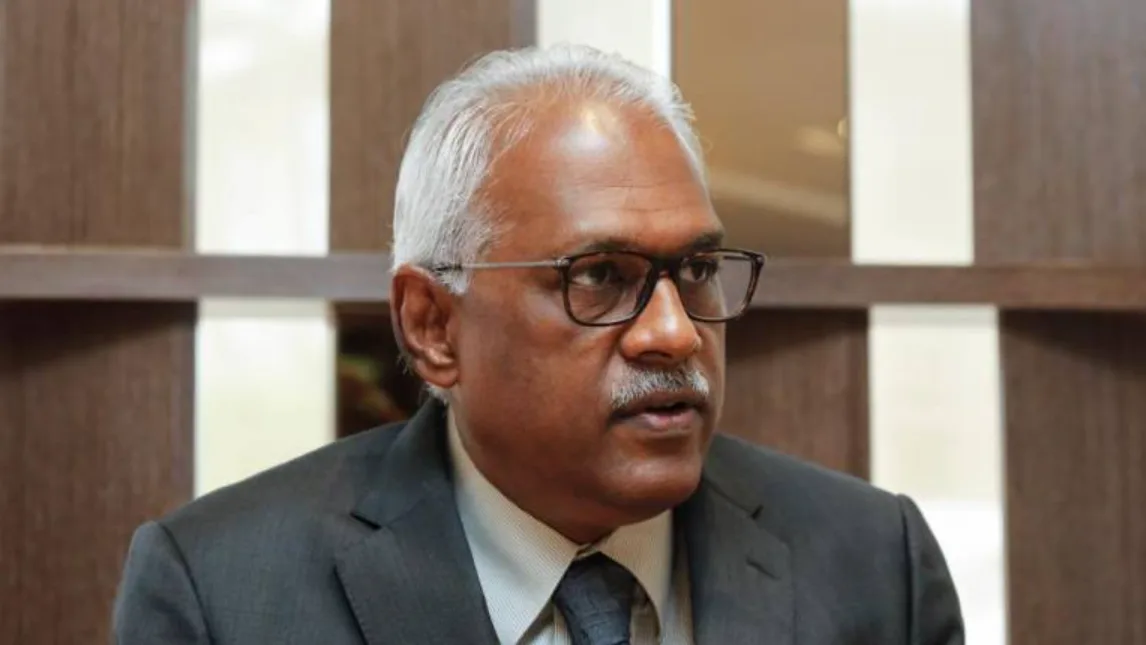
Former MP Charles Santiago condemned the policy on Labour Day, saying workers were met with praise and “garlands” while the government imposed deep cuts that would hurt them. He said: “Every Labour Day, the speeches come. The gratitude. The garlands. This year, the backbone of the nation got an additional gift — RM10 billion in cuts.” [1]
Santiago said the austerity would hit healthcare and education, and could worsen conditions such as long waits for patients in public hospitals. He also said Malaysia’s 50 richest billionaires increased their wealth by RM103 billion in a single year, making the squeeze on public services harder to justify. [1]
In another statement, Santiago argued that fiscal austerity was a political choice, not a necessity. He said workers receive only 33 sen of every ringgit produced in the economy, a sign of a hollowed-out middle class, while many Malaysians struggle to cover emergency costs or save enough for retirement. [1]
He pointed to rising fuel costs as a burden on rural communities, especially smallholders and fisherfolk. Santiago proposed a 2% wealth tax on the richest Malaysians to raise revenue instead of cutting public services, saying: “It is not radical to ask the top one per cent to pay a fair share. It is necessary.” [1]
The Labour Day remarks followed the finance ministry's April 29 spending announcement and Santiago's May 1 criticism of the government's worker-friendly rhetoric alongside the austerity measures. [1]