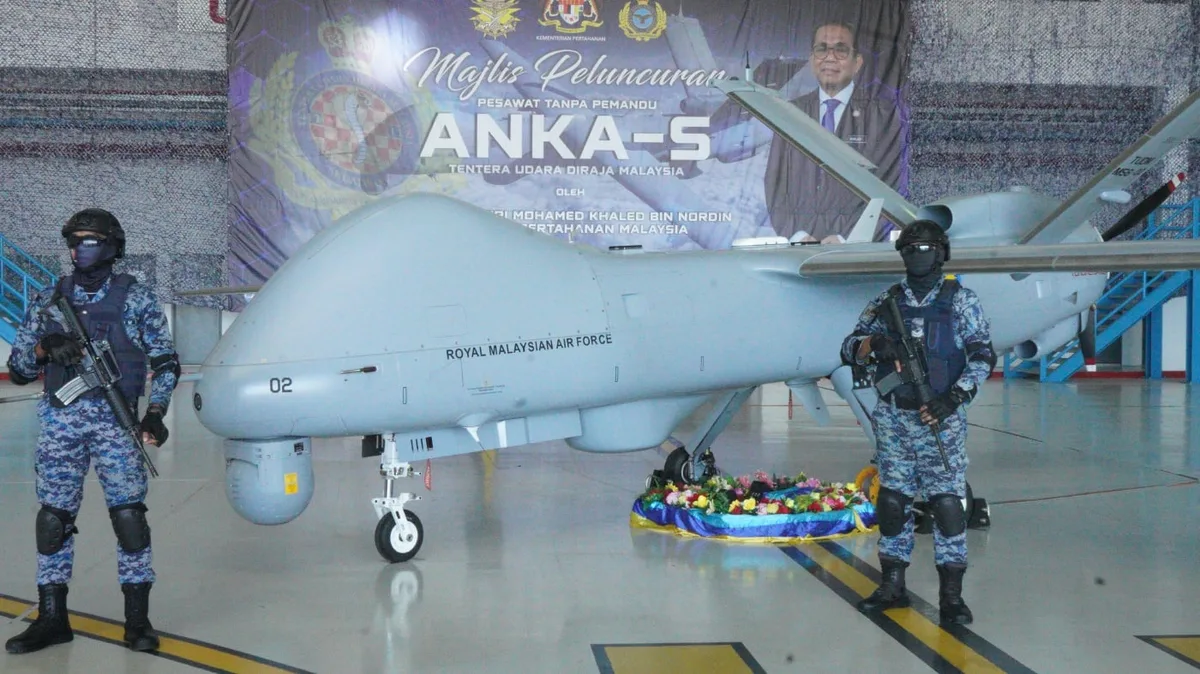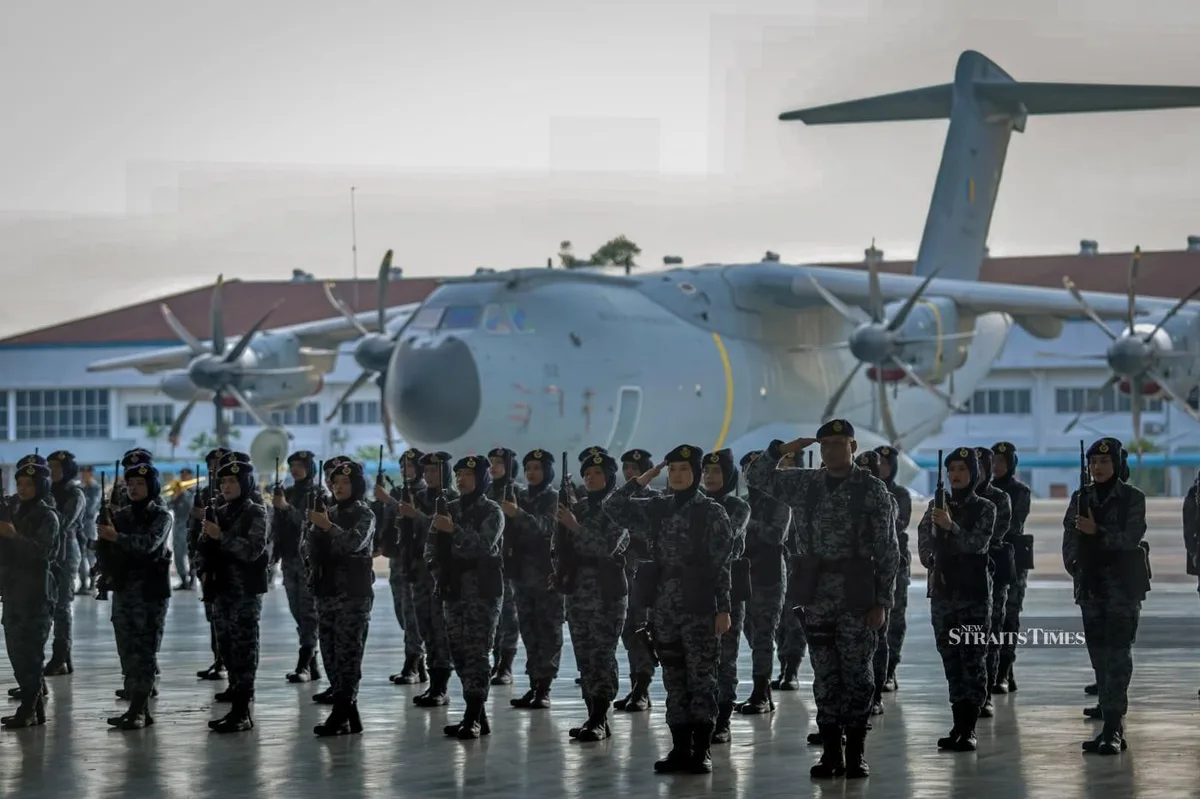
The Royal Malaysian Air Force (RMAF) officially launched operations of three Turkish-made Anka-S unmanned aerial systems (UAS) at Labuan Air Base on June 17, 2026, to boost maritime surveillance over the South China Sea [1, 2]. Defence Minister Datuk Seri Mohamed Khaled Nordin called the ANKA-S operation "a strategic leap from the perspective of our defence and maritime surveillance capabilities" [1]. The drones, purchased for RM423.8 million including ground control stations and two years of personnel training, can operate continuously for more than 24 hours at altitudes up to 30,000 feet [1, 2].
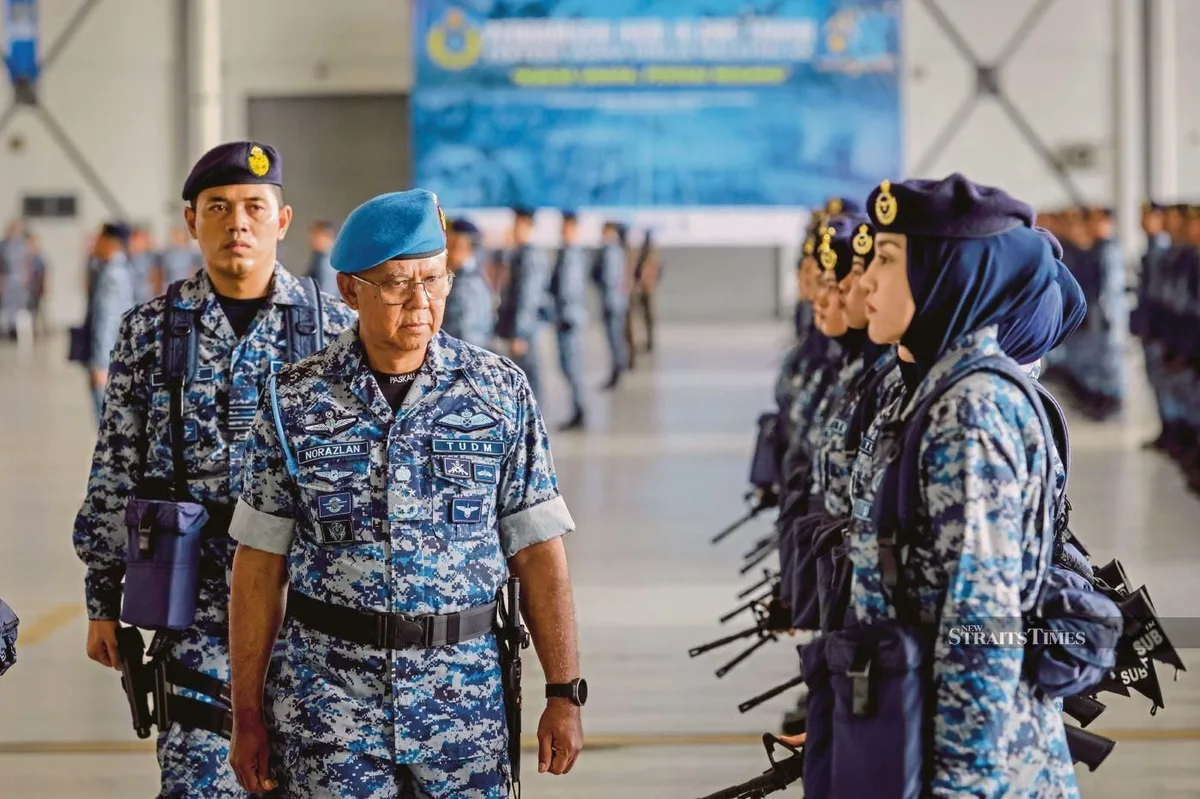
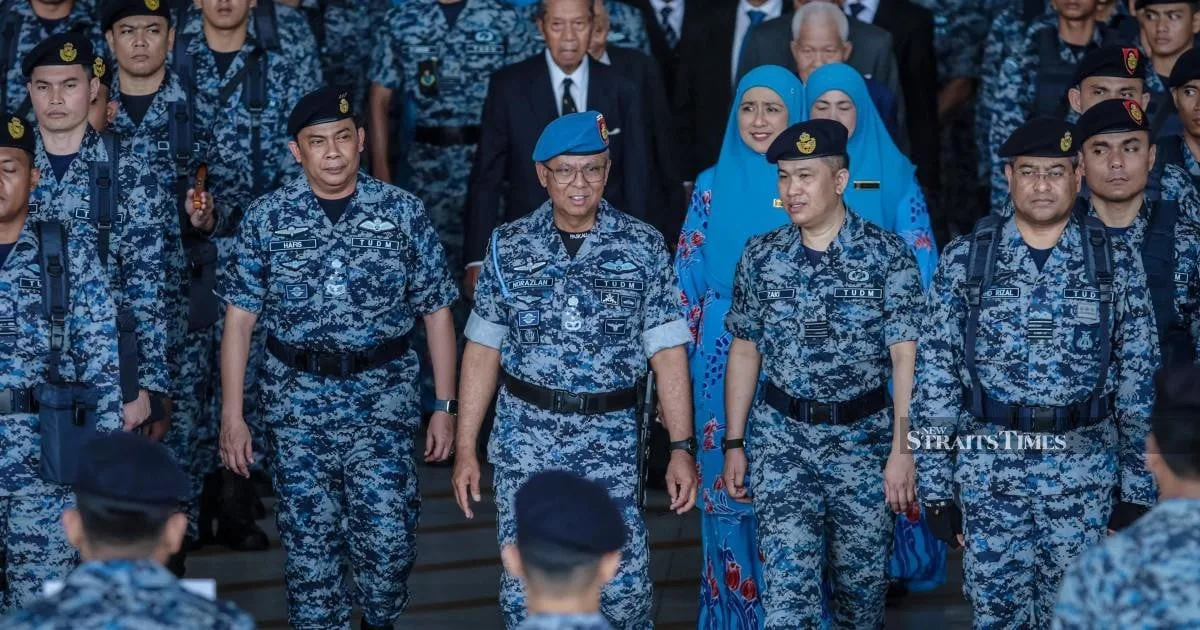
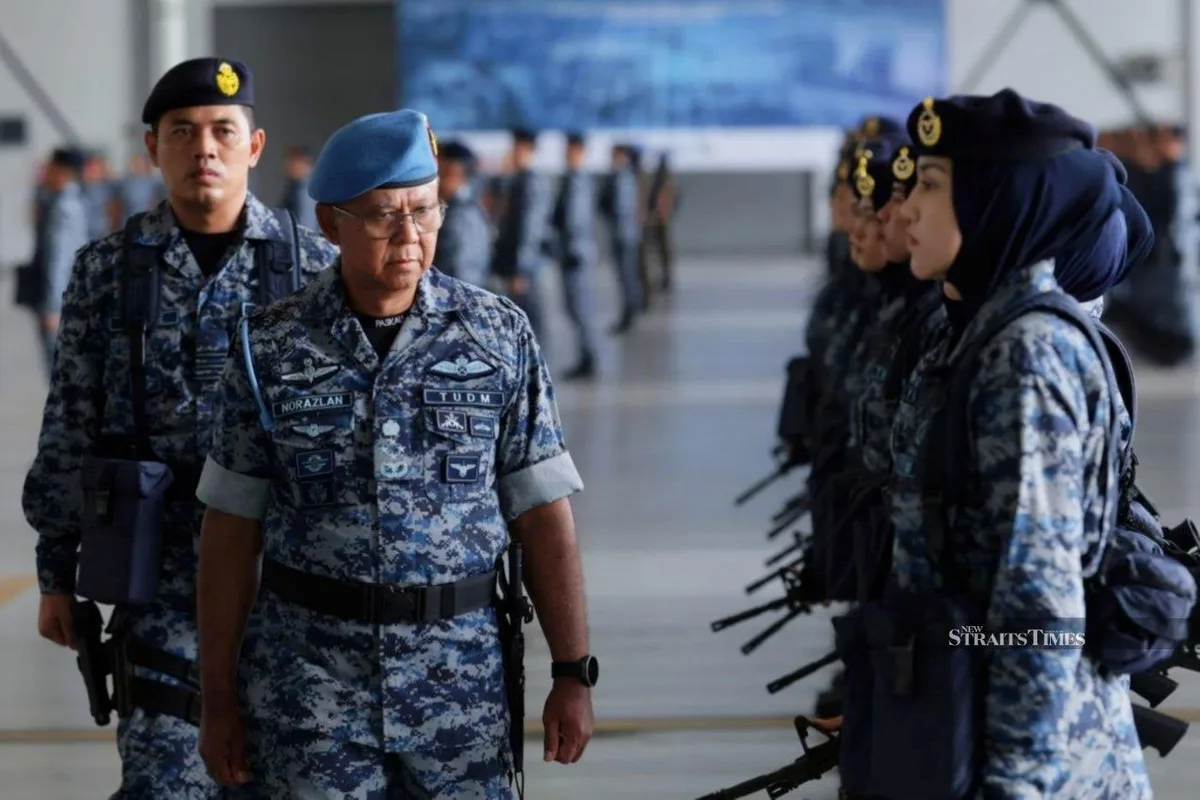
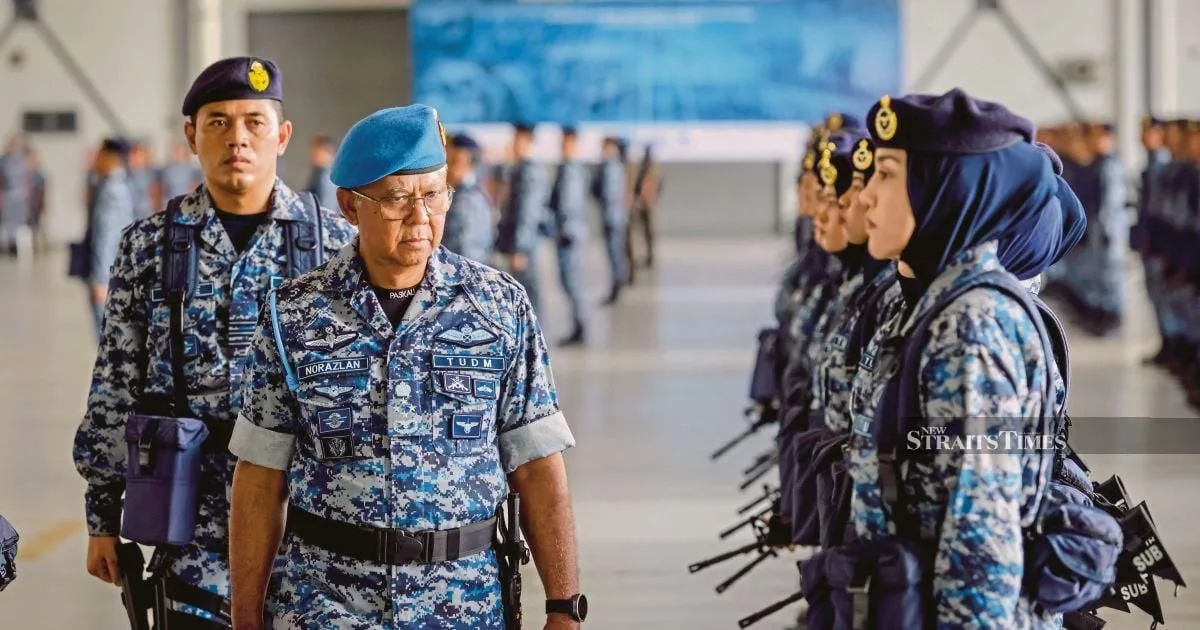
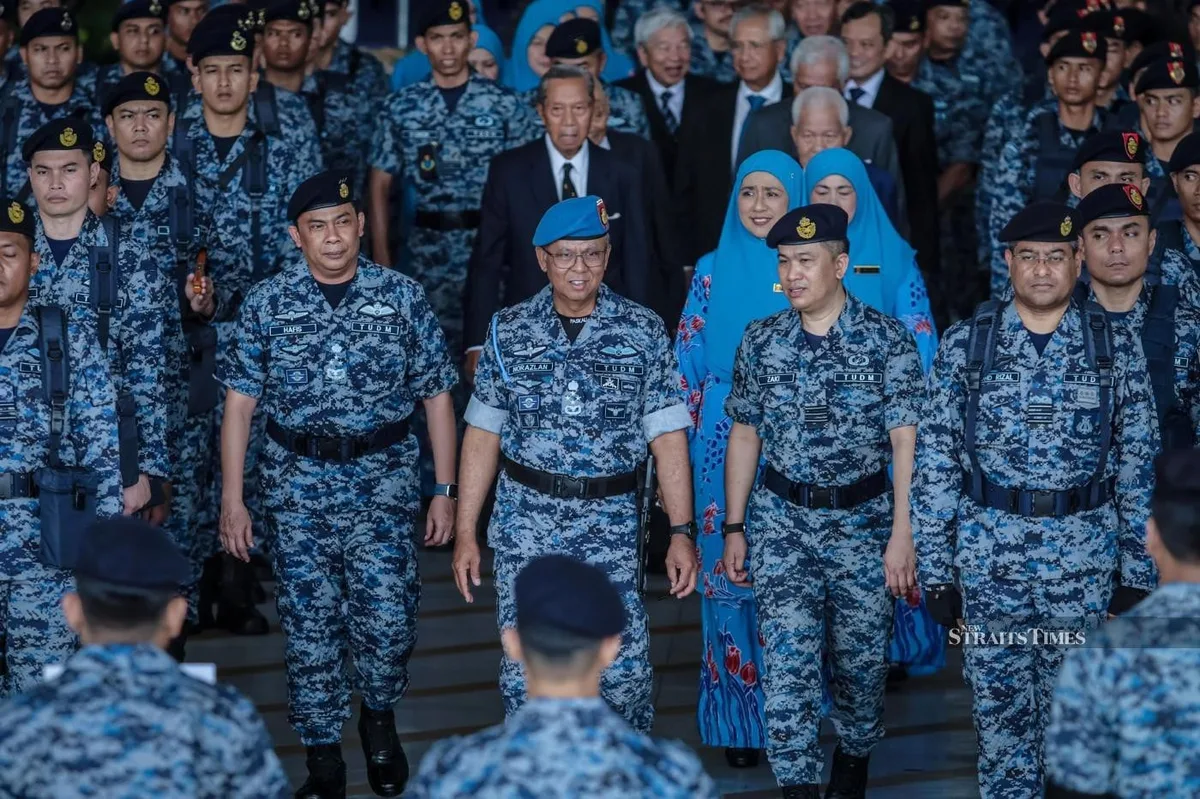
RMAF Chief General Tan Sri Muhamad Norazlan Aris said current maritime surveillance assets—including three CN-235 Maritime Surveillance Aircraft—are insufficient to monitor Malaysia's entire Exclusive Economic Zone, noting, "at the moment, it is insufficient" [3, 4]. The Anka-S UAS will be based at Labuan to address these gaps, and the RMAF plans a second acquisition phase to purchase an additional three Anka-S drones with ISR and electronic warfare capabilities, aiming for a total fleet of nine [3, 4].
Beyond drones, the RMAF will also receive P-72M maritime patrol aircraft from Italy starting in April 2027 to enhance ISR capabilities and extend operational monitoring beyond the range of current CN-235 aircraft [5, 4].
In air combat, Malaysia is acquiring 18 South Korean FA-50M light combat jets ordered in 2023. The first two jets are scheduled to arrive at Kuantan Air Base in October 2026 [6, 7, 8, 9]. Facilities to support these aircraft at Kuantan are about 90% complete, with final construction expected by October and squadron staffing at 90% already [6, 7, 8]. Six pilots trained on TA-50 aircraft in South Korea, with two completing training in October 2026 and four more by December [6, 7, 8, 9]. The chief said the Kuantan base has been restructured as the main operating centre for the FA-50M jets [8].
The RMAF is also reviewing a Medium-Range Air Defence (MERAD) system procurement to complete Malaysia’s air defence by bridging gaps between short-range systems and fighter aircraft coverage. The chief described it as "a protective shield that plugs the capability gap between short-range air defence systems on the ground and the combat air patrol radius of our fighter aircraft" [6, 7, 4].
Malaysia currently operates more than 10 aging C-130 Hercules tactical transport aircraft, some as old as 50 years. The RMAF is conducting studies to replace the fleet with modern aircraft offering better technology, capability, and payload due to rising maintenance costs [10, 11, 9]. Additional studies are underway for future multi-role combat aircraft acquisitions and expanding the number of Light Combat Aircraft by 2035 [10, 11, 9].
General Norazlan also emphasized air power's role in securing Malaysia's maritime trade routes, especially in the Strait of Malacca and South China Sea, calling it a "critical factor in the security and economic continuity of a country" [12]. The RMAF continues humanitarian missions such as Operation Starlight III to Myanmar, showing its role beyond defense [12].
The first two FA-50M jets are expected to arrive at Kuantan Air Base in October 2026, and the initial P-72M maritime patrol aircraft delivery is scheduled for April 2027 [5, 6, 7, 8, 9].