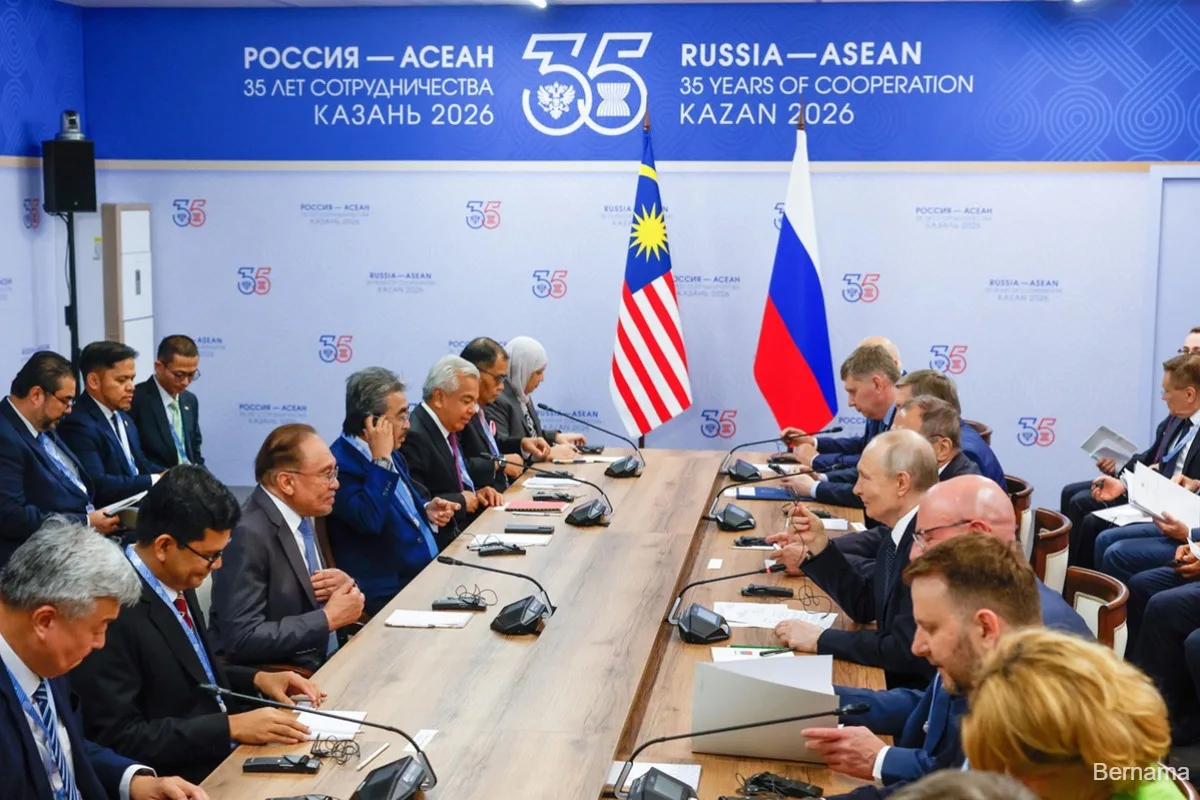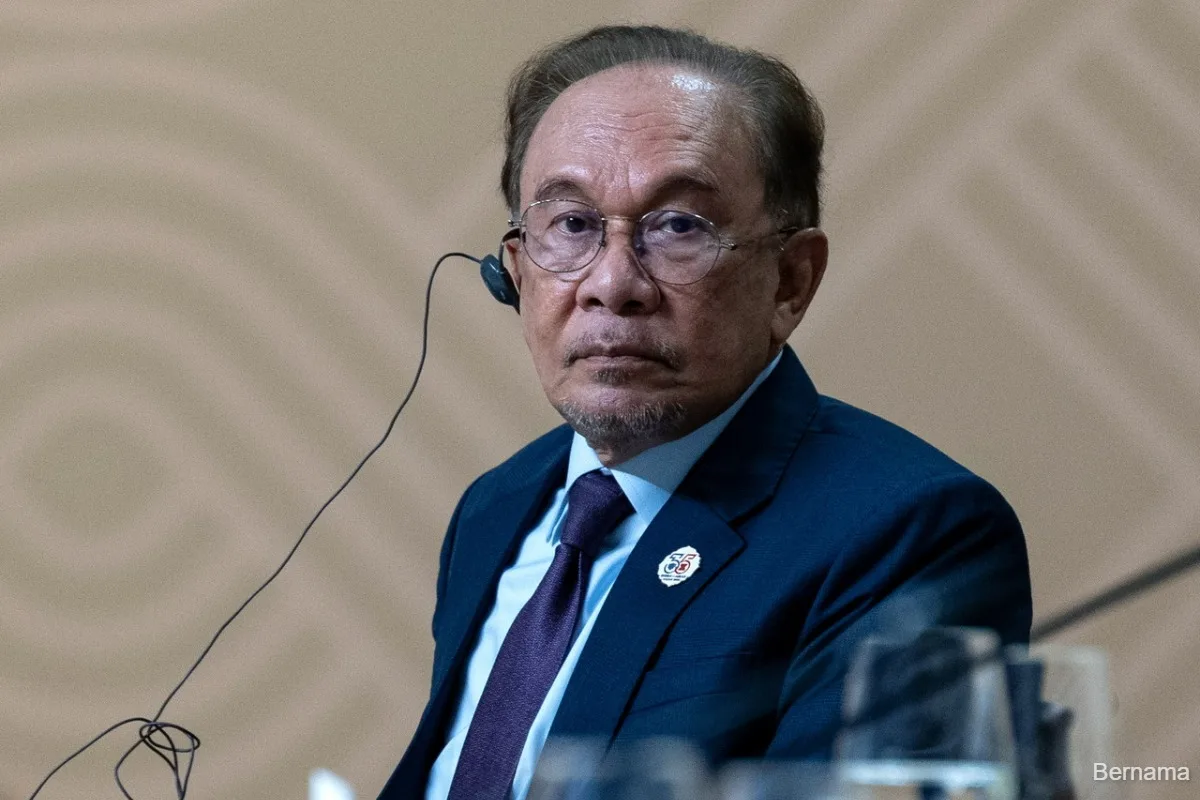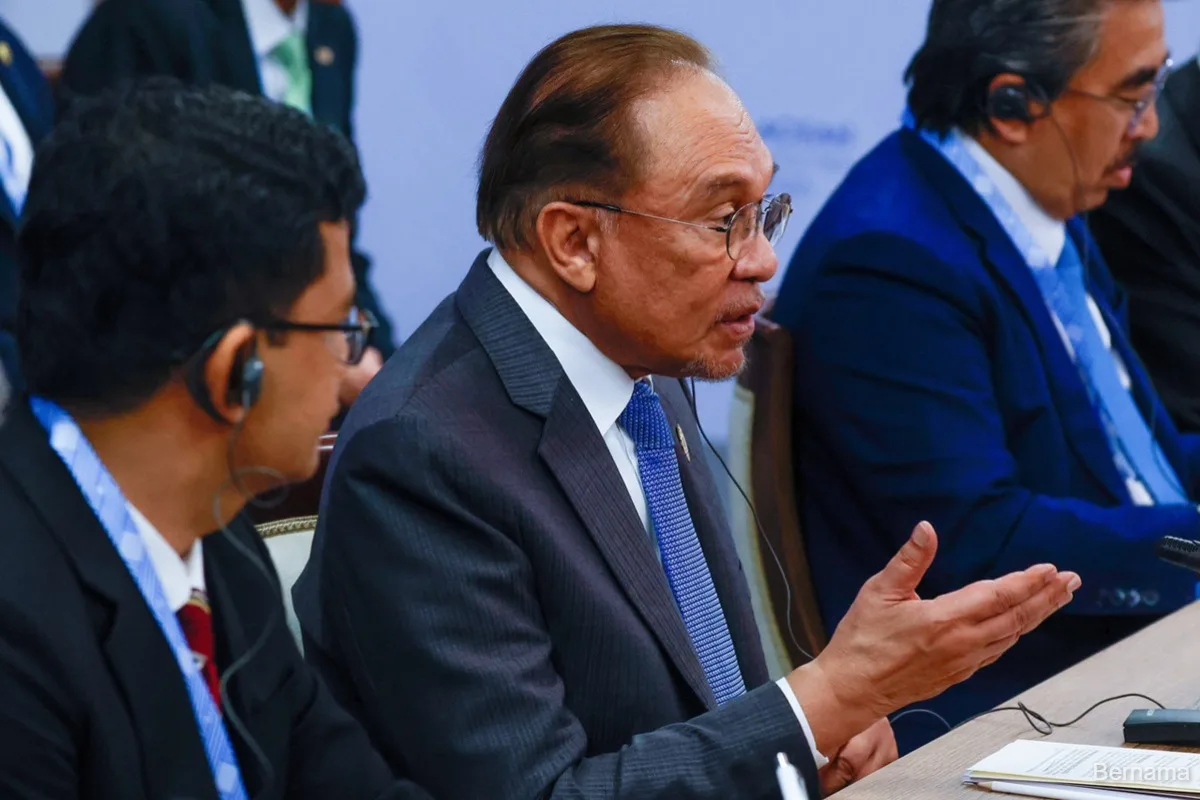
Prime Minister Datuk Seri Anwar Ibrahim led the Malaysian delegation to the 35th Asean-Russia Commemorative Summit held on June 17-18 in Kazan, Russia [1, 2, 3, 4, 5, 6, 7]. The summit marked 35 years of formal relations between ASEAN and Russia, established in 1991, and focused on reviewing past progress while charting future strategic cooperation [1, 2, 5, 6].
Discussions covered practical collaboration in trade and investment, energy security, food security, digital economy, AI and emerging technologies, climate resilience, education, culture, tourism, and people-to-people exchanges [1, 8, 2, 3, 5, 6]. Anwar highlighted ASEAN’s commitment to a rules-based international trading system, emphasizing cooperation over confrontation. He said, "Economic resilience should complement international cooperation, not replace it" [1, 5, 6].
Malaysia and Russia are close to finalising visa liberalisation to facilitate travel between the two countries, a step Anwar urged be expedited to boost tourism and connectivity. He noted that while 5 million Russian tourists visit Turkey and 2 million visit Thailand annually, Malaysia currently receives only about 100,000 Russian visitors. Anwar pointed to challenges including flight availability and payment procedures, stating, "Sometimes we are too stuck with old procedures, archaic, and too concerned about what some other countries may respond or react negatively" [8, 9, 10]. Russia plans visa exemptions for Malaysia, Indonesia, and Kuwait by the end of 2026 [9, 10].
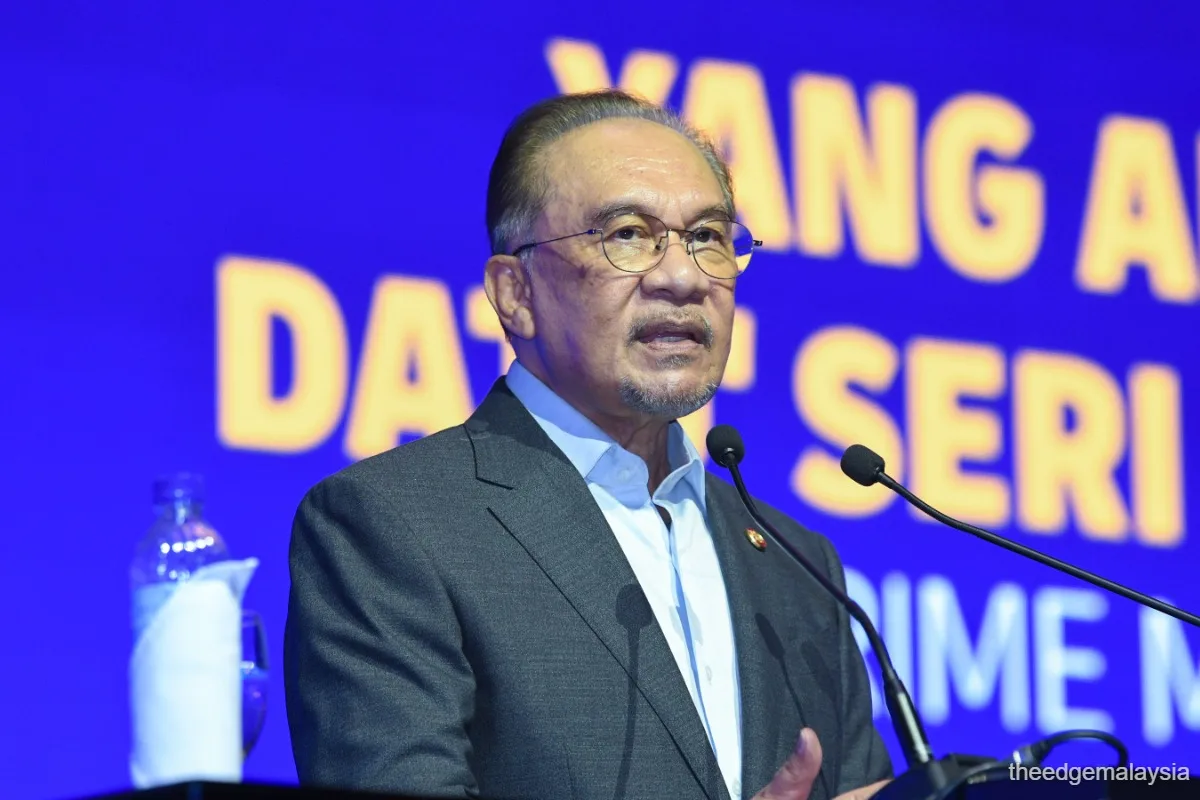
Total trade between ASEAN and Russia was around US$18.1 billion in 2024, with Russia also investing directly in member countries [9]. Over 400 business leaders from Russia and ASEAN attended the ASEAN-Russia Business Forum alongside the summit, focusing on opportunities in business, innovation, and technology. Anwar addressed the forum, saying, "Governments can create the enabling conditions ... but it is businesses, investors, entrepreneurs, researchers, and innovators who will ultimately transform aspirations into outcomes" [1, 3, 5, 6, 7].
On the summit’s sidelines, Anwar held bilateral talks with Russian President Vladimir Putin. They discussed expanding cooperation in layers such as energy security, oil supplies, cybersecurity, agriculture, pharmaceuticals, and trade using local currencies — ringgit and ruble. Anwar expressed appreciation to Putin for Russia’s support of Malaysia’s PETRONAS engagement with Rosneft and other Russian counterparts [8, 9].
Apart from economic ties, Anwar underscored the value of cultural exchanges, expressing his fondness for Russian music and literature. "Culture, poetry, literature is important, because then you have better affection and understanding of people and human beings," he said [7].
After the summit, Anwar departed Kazan on June 18 for his first official visit to Turkmenistan for a two-day visit, continuing his diplomatic outreach in the region [11].