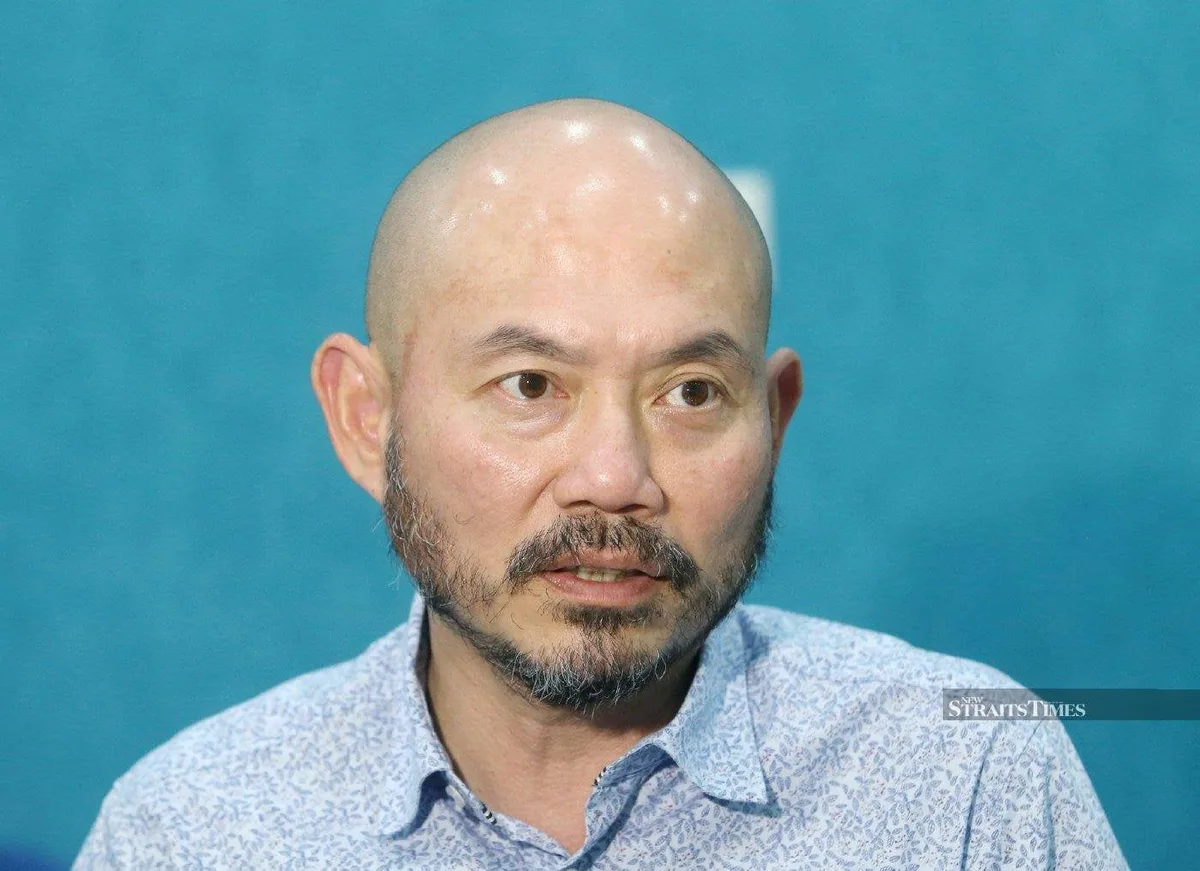
Kepong MP Lim Lip Eng urged the government to explain its proposed RON95 fuel subsidy reform more clearly and warned against treating the middle class as the government's "ATM". [1, 2, 3]
Lim said subsidy eligibility should not rely only on broad income labels such as T20, T15, T10 or T5. He said policymakers should also weigh living costs, dependants, loans, location and commuting needs, and he questioned whether the Central Database Hub, or PADU, would be properly used after RM85.27 million was spent on its development and implementation. [1, 2, 3]
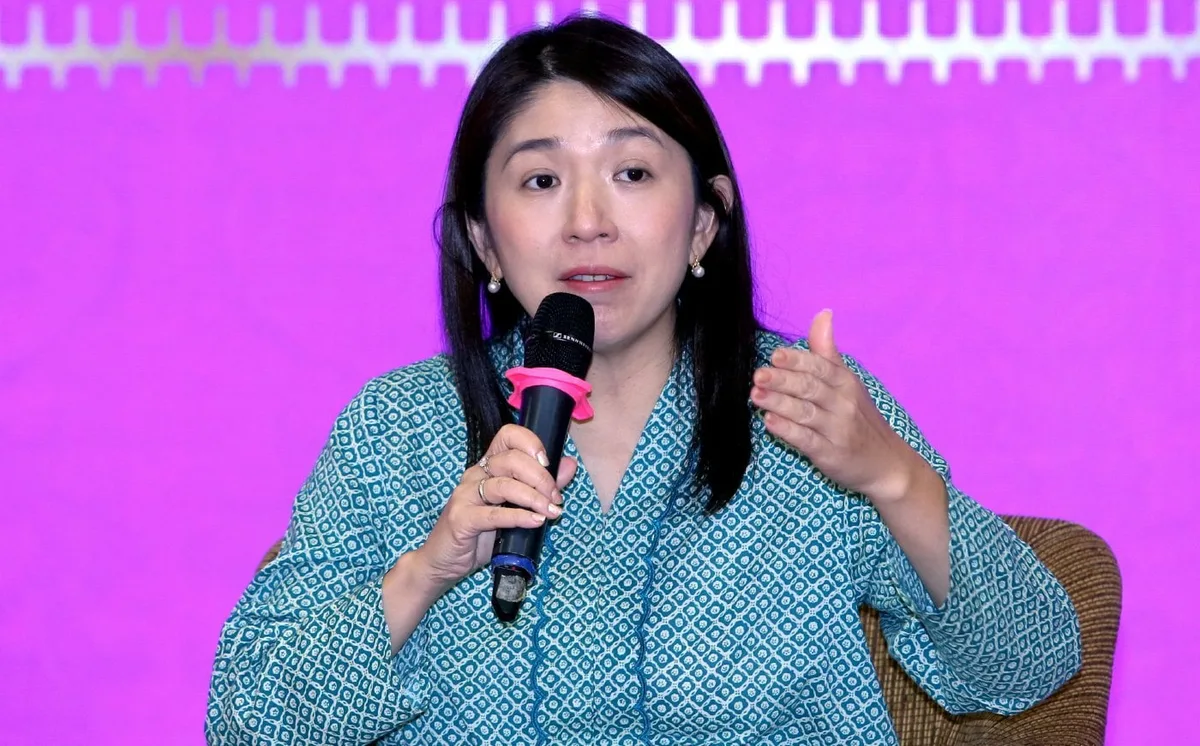
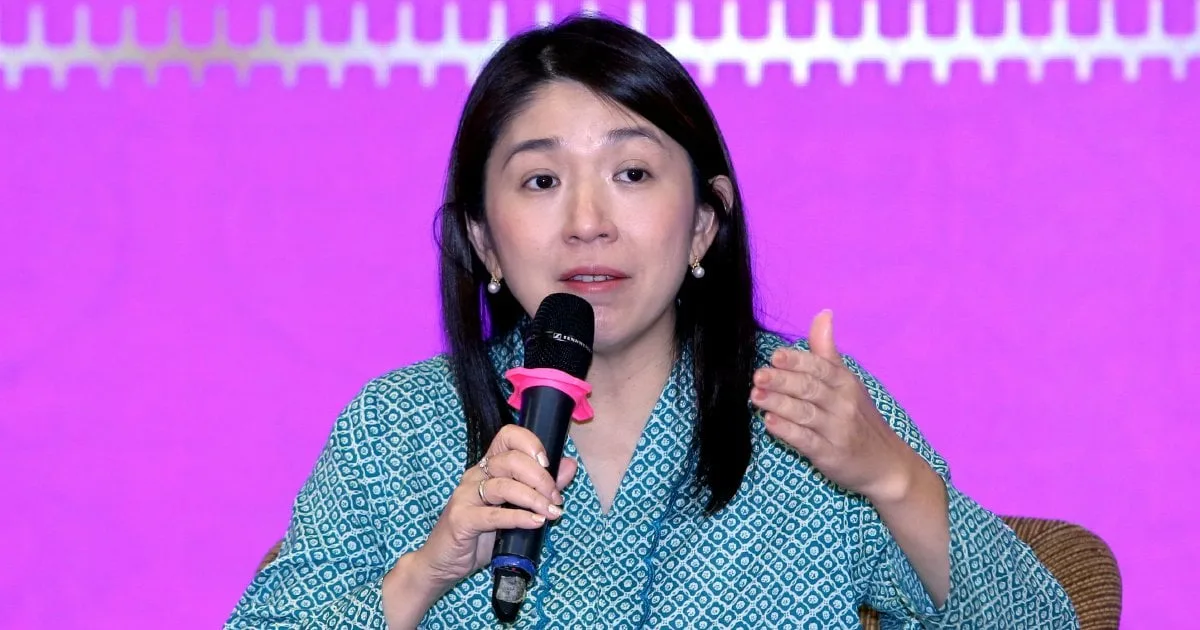
DAP National Publicity Secretary Yeo Bee Yin said removing RON95 subsidies for higher-income groups could worsen inflation and hurt the economy. She said higher fuel costs could spread through supply chains and be passed to consumers, especially because many T15 and T20 households are small business owners, employers or service providers. [4, 5]
Experts said a multi-dimensional household income model would better reflect real financial capacity than gross monthly income alone. The Statistics Department's latest household income thresholds classify households below RM5,860 a month as B40, RM5,860 to RM12,679 as M40 and RM12,680 and above as T20. [6, 7, 8, 9]
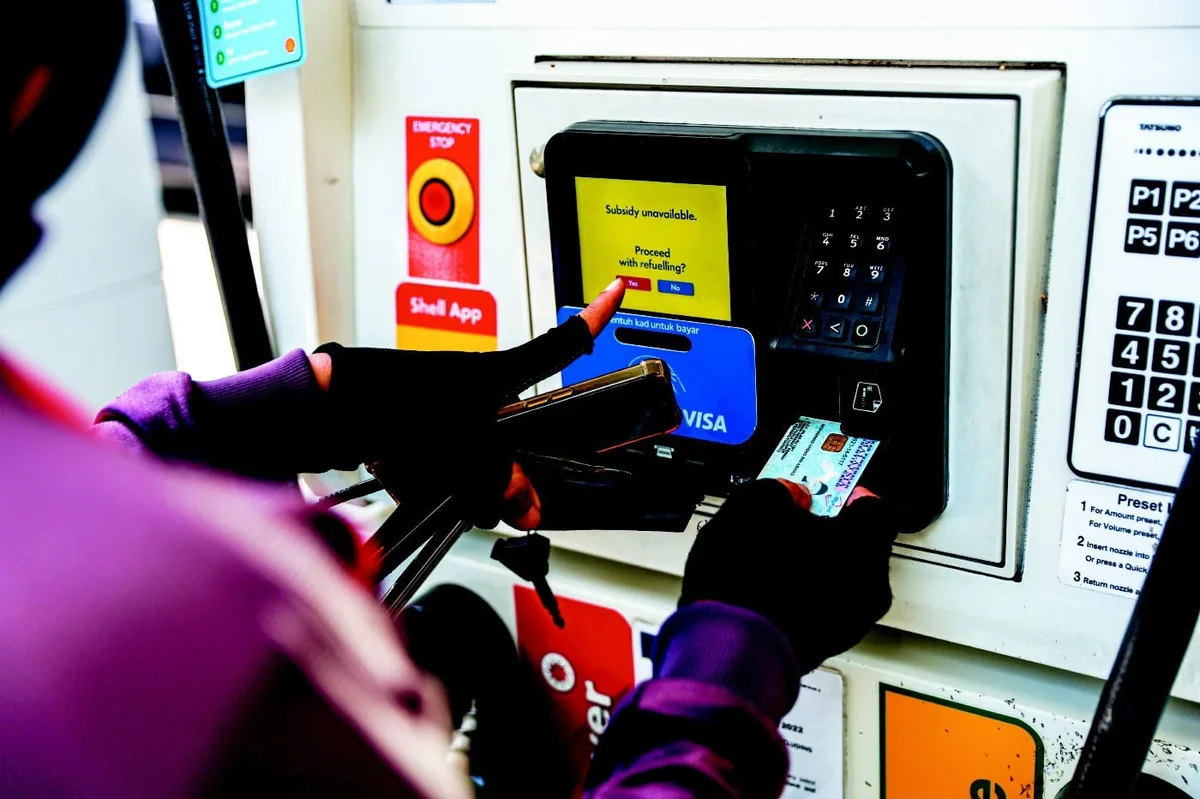
Reports said the government is refining a targeted RON95 subsidy mechanism that may limit subsidies to higher-income tiers such as T5, T10, T15 and T20. The government has said 85% to 90% of Malaysians would stay protected under the framework, while the "super rich" and foreigners might pay market price for fuel. [7, 8, 9]
The Statistics Department released its Monthly Gross Household Income Threshold by Household Group and State 2024 report last October. [7, 8, 9]