The Malaysian government said its work-from-home (WFH) policy saved RM1.9 million in RON95 petrol subsidies over 10 days since its rollout on April 15 [1]. This amount corresponds to 979,632 litres of petrol saved during the period [1].
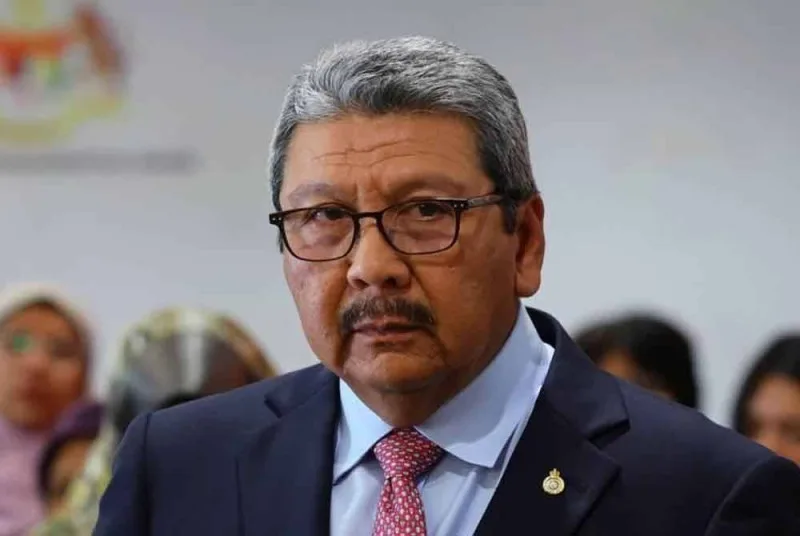
Public Service Department Director-General Tan Sri Wan Ahmad Dahlan Abdul Aziz said the savings, though not large, represent a significant contribution by civil servants in easing financial burdens tied to tensions in West Asia. "Although the figure may not seem large, I see it as a significant contribution from civil servants in helping the government manage financial burdens arising from the crisis in the Middle East (West Asia)," he said [1].
The WFH scheme applies only to tasks that do not require physical presence and is designed not to disrupt public service delivery [1]. As of the report date, 20,136 civil servants were participating, up from 15,452 at the start on April 15 [1].
The policy operates three days a week, excluding Mondays which are reserved for task allocation to employees working remotely. Fridays are set aside for productivity assessment [1]. Tan Sri Wan Ahmad Dahlan Abdul Aziz added, "However, for now, work-from-home is not implemented on Mondays so that tasks can be allocated to civil servants who are working from home, while Fridays are used for productivity assessment" [1].
Daily savings averaged 120,816 litres of petrol, valued at RM239,215.68 per day, reflecting reduced fuel consumption from lower commuting needs [1].
The report detailing the subsidy savings was published on April 30, compiling data from the first 10 days of implementation starting April 15 [1].