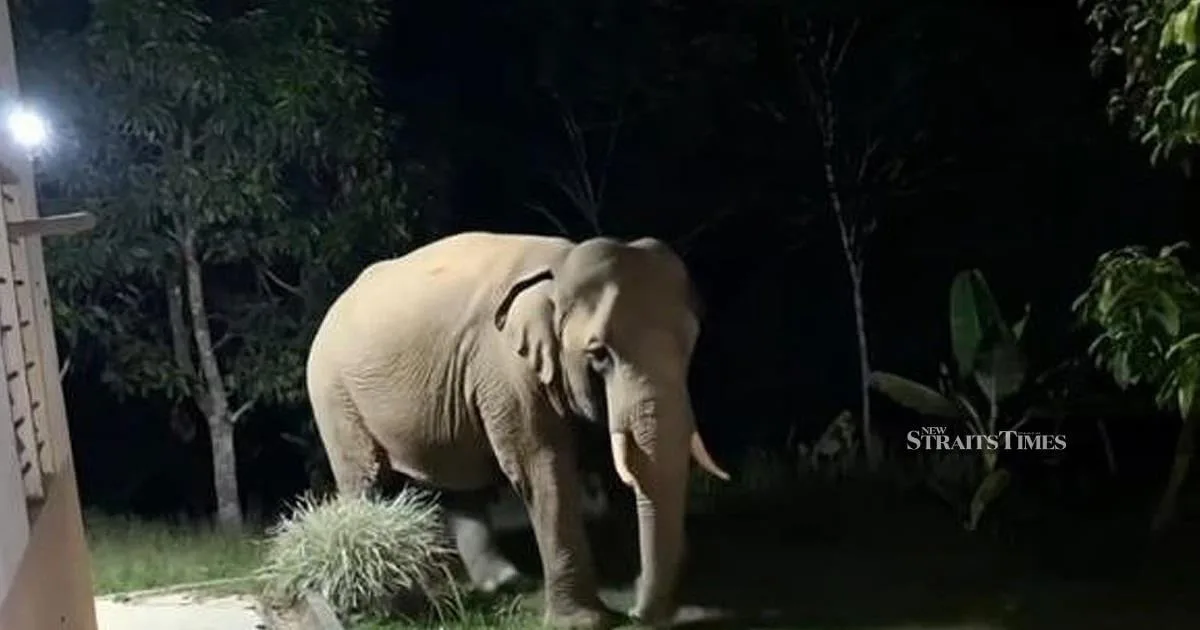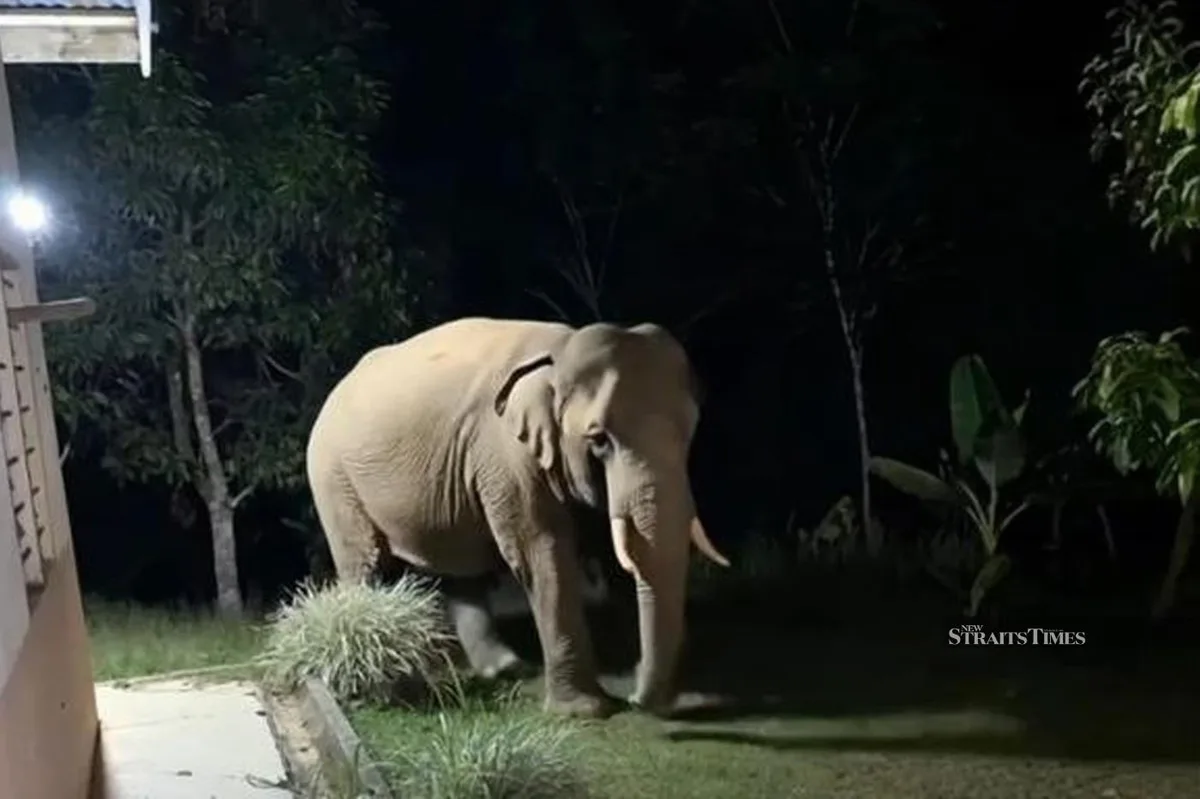
Malaysia has logged a total of 76,361 wildlife conflict complaints nationwide between 2021 and May 2026, with estimated losses reaching RM58.7 million, according to government data [1, 2, 3]. Johor state alone reported 9,063 complaints, accounting for RM7.5 million in damages [1, 2, 3].
Human-wildlife conflicts involve species such as macaques, elephants, wild boars, Malayan tigers, and tapirs [1, 2, 3]. These incidents cause damage to crops and property and sometimes lead to injuries and loss of human life. Natural Resources and Environmental Sustainability Minister Datuk Seri Arthur Joseph Kurup said on June 14 at the Johor Elephant Sanctuary, “Such conflicts must be addressed urgently as they not only cause damage to crops and property, but can also result in injuries and loss of life” [2].
Wildlife conflicts are attributed mainly to habitat loss driven by land-use changes including agriculture, plantations, road and dam construction, settlements, and urban expansion [1, 2, 3]. For example, elephants require large roaming areas between 10 and 250 square kilometers depending on food availability and herd size, making them vulnerable to encroachment [1, 2, 3].
The government has introduced measures such as the National Elephant Conservation Action Plan (NECAP), elephant sanctuaries, the National Elephant Conservation Centre in Lanchang, and electric fencing systems to reduce conflicts [1, 2, 3]. In 2025, the Johor government formed a special committee to coordinate efforts mitigating human-elephant conflicts [1, 2, 3].
Effective collaboration between Johor’s state government, the Department of Wildlife and National Parks (Perhilitan), the Transport Ministry, and the Railway Assets Corporation is critical to managing elephant crossings along the Gemas-Johor Bahru Electrified Double-Track Railway [1, 2, 3]. Key conflict hotspots have been identified at Labis-Bekok-Paloh and Mengkibol-Renggam [1, 2, 3].
At a recent event, RM79,600 in Wildlife Attack Damage Assistance was distributed to nine recipients affected by such incidents [1, 2, 3].
Efforts to reduce wildlife conflicts continue as authorities focus on balancing development and conservation. The Ministry plans to maintain support for conservation programs and expand mitigation measures across affected regions.