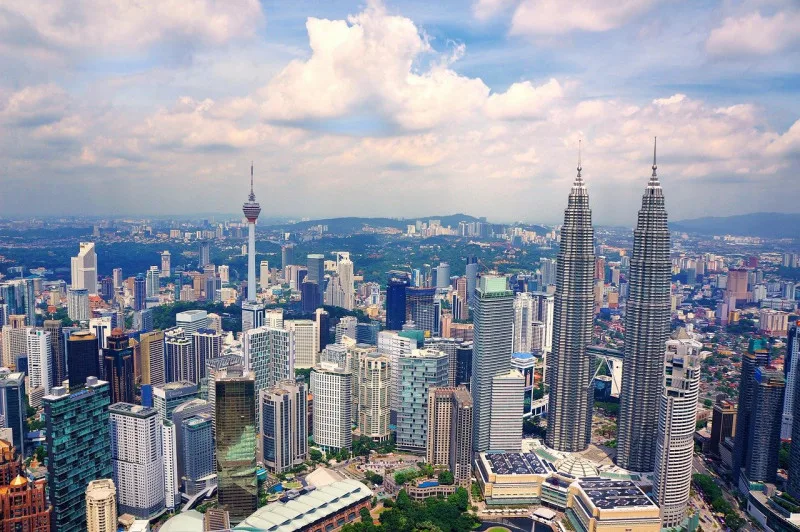
Kuala Lumpur is ranked as the world's 50th best city for 2026, according to the latest global assessments [1]. Malaysia's urban planning framework is broadly on track, but execution remains uneven, said Dr Muhammad Azwan Sulaiman, an expert on urban development [1]. "Planning is good on paper, but execution is uneven," he added [1].
The city faces several key challenges including severe traffic congestion, frequent flash floods, rising housing costs, and homelessness [1]. Overconcentration of development without adequate infrastructure support has worsened traffic issues, with many residents relying heavily on private vehicles rather than public transit systems like the MRT and LRT, which remain underutilized. Dr Sulaiman explained, "These facilities often become the last option and remain underutilised. This leads people to continue driving within Kuala Lumpur" [1].
Flooding is exacerbated by outdated drainage systems and limited climate adaptation efforts, increasing the frequency of flash floods in Kuala Lumpur [1]. On housing, there is a mismatch between supply and actual public demand. Many new homes are built for investment rather than residency, driving affordability problems and contributing to homelessness. "Many homes are built not to meet real demand, but for investment purposes, which drives affordability issues and ultimately contributes to urban homelessness," Dr Sulaiman said [1].
Fragmented social policies also limit efforts to address homelessness effectively [1]. Various initiatives are in place to support Kuala Lumpur's growth, including transit-oriented development, strengthening public transport, and the Kuala Lumpur Structure Plan 2040, but coordination across agencies falls short of expectations [1].
Officials are expected to continue work on improving execution and inter-agency coordination to address these persistent urban issues in the coming years [1].