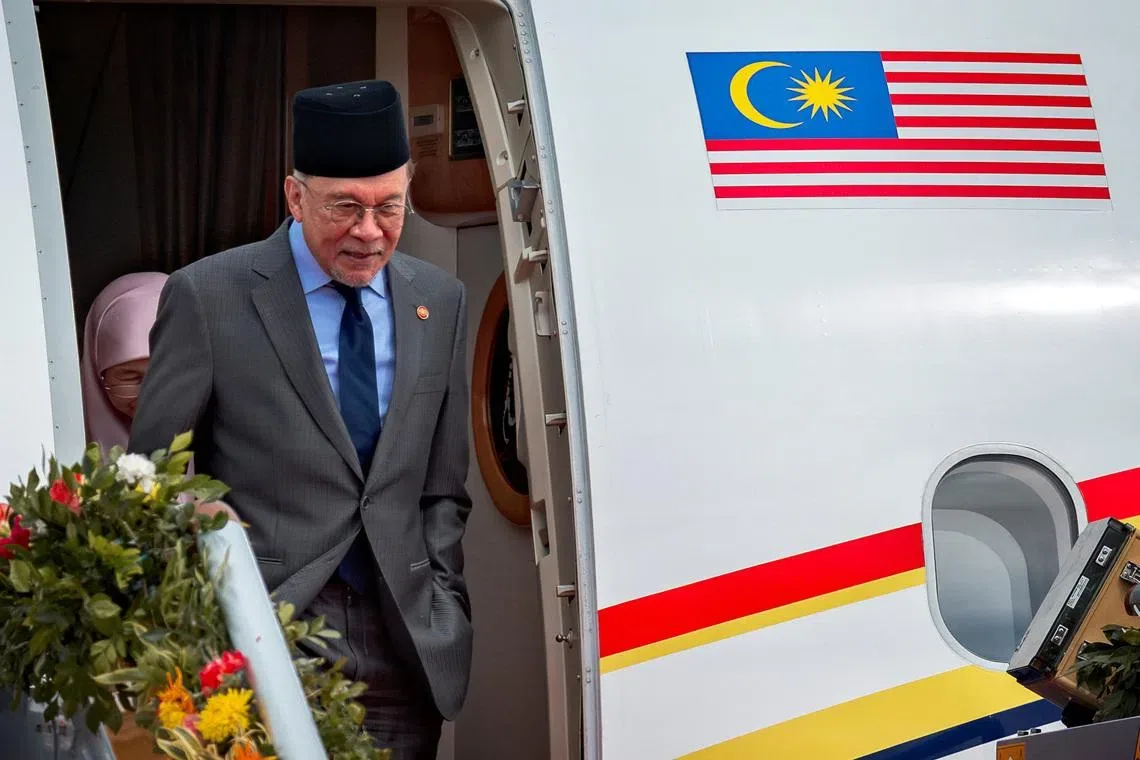
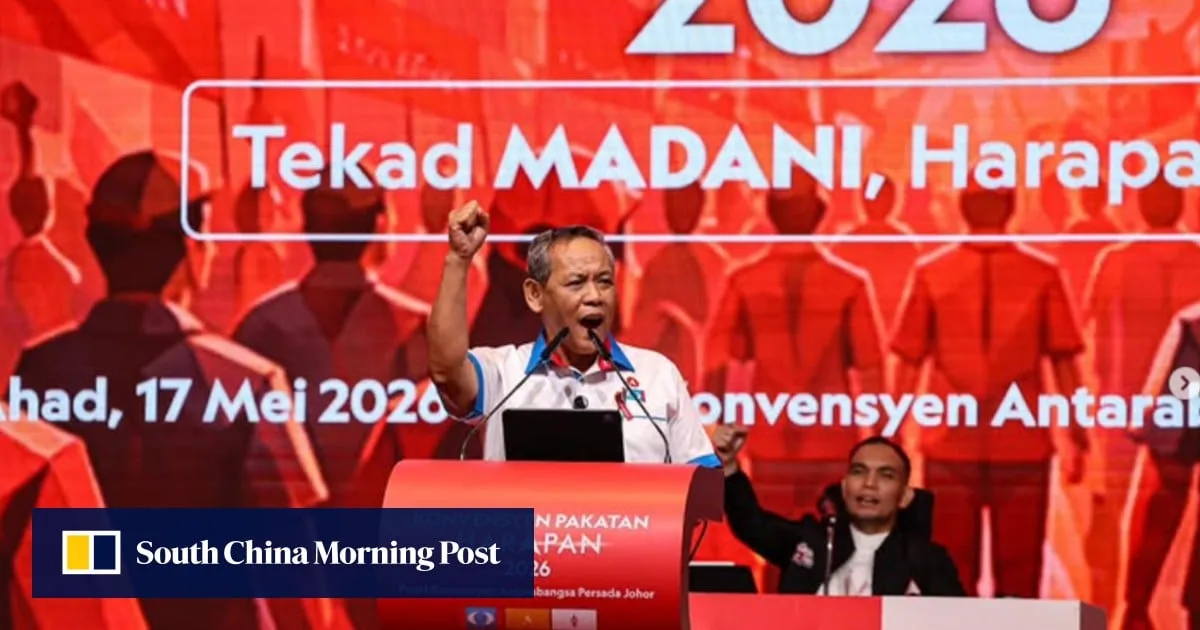
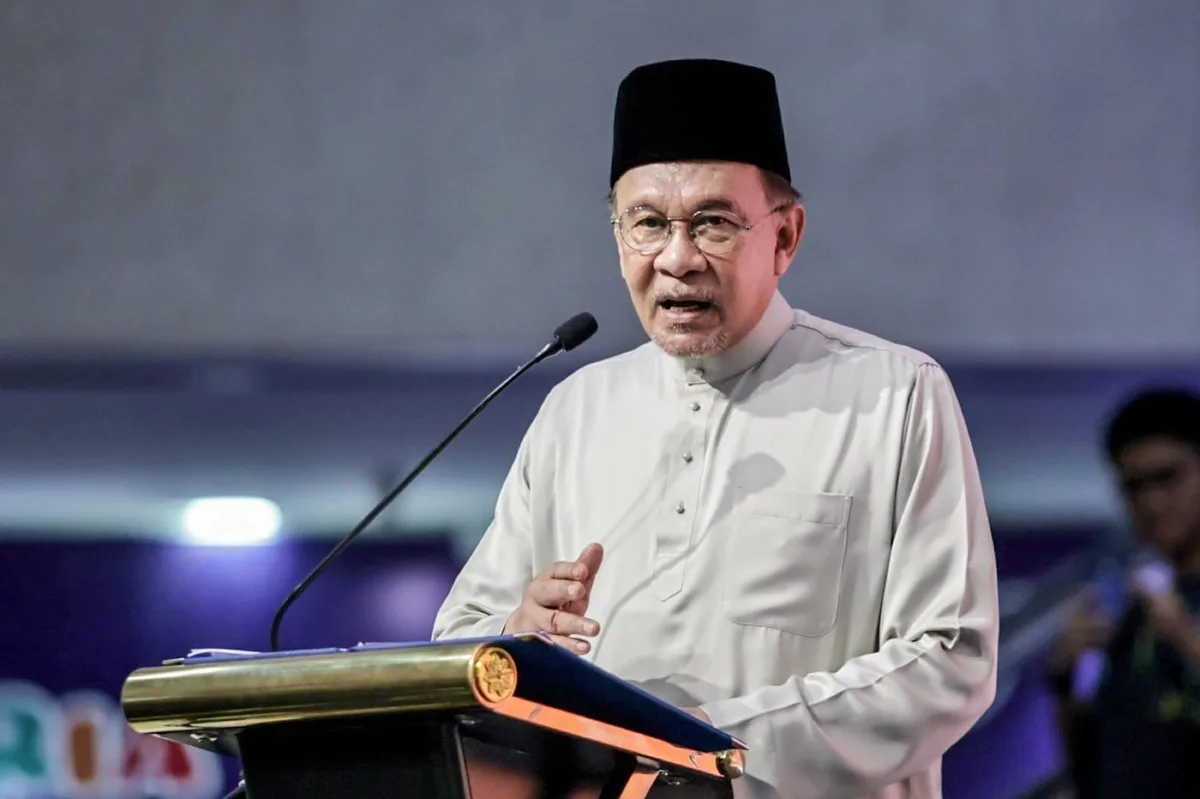
Negeri Sembilan and Johor, two states in Malaysia, dissolved their state assemblies on June 5 and June 1, 2026 respectively, calling snap elections to be held within 60 days [1, 2, 3, 4, 5, 6, 7]. The Negeri Sembilan dissolution was announced by Menteri Besar Aminuddin with the consent of the state ruler, Tuanku Muhriz Tuanku Munawir [4].
Pakatan Harapan, which governs Negeri Sembilan, will contest all 36 state assembly seats in the upcoming poll, while Barisan Nasional, which controls Johor, will contest its state election independently without Pakatan Harapan’s support—an indication of growing tensions within Prime Minister Anwar Ibrahim’s ruling coalition [1, 2, 3, 5, 6, 7]. The coalition includes Pakatan Harapan, Barisan Nasional, and several smaller parties, but divisions over ethnic and religious issues as well as the pace of reforms have strained unity [1, 2, 3, 5, 6, 7].
Though these state elections will not directly affect the national Parliament majority held by Anwar’s coalition, significant losses could weaken its position ahead of the mandatory general election by early 2028 [1, 2, 3, 5, 6, 7]. Anwar said in May that he might call a snap general election if internal divisions continue to widen [1, 2, 3, 5, 6, 7]. His current administration term ends in December 2027, and the general election must be held by February 2028 [8].
Two other states, Melaka and Sarawak, also plan elections in coming months. The Election Commission noted that holding a general election early would allow concurrent state polls, saving costs [1, 2, 3, 5, 6, 7].
Meanwhile, Anwar has considered reforms to fuel subsidies on higher-income earners. Economists warn that subsidy changes ahead of elections are politically sensitive. Julia Goh, a senior economist at UOB Malaysia, said, "Fragmented or targeted subsidy rollbacks would not suppress demand enough to protect national reserves. If the true intent is resource preservation, a universal price adjustment is the only mechanism broad enough to alter consumption patterns on a meaningful scale" [8].
The last major subsidy removal in 2008 raised fuel prices from RM1.92 to RM2.70 per litre, causing inflation to spike to 8.5% in July 2008 from 2.3% in January that year [8].
The snap elections in Negeri Sembilan and Johor must be held by early August, within 60 days of their assembly dissolutions [1, 2, 3, 4, 5, 6, 7].