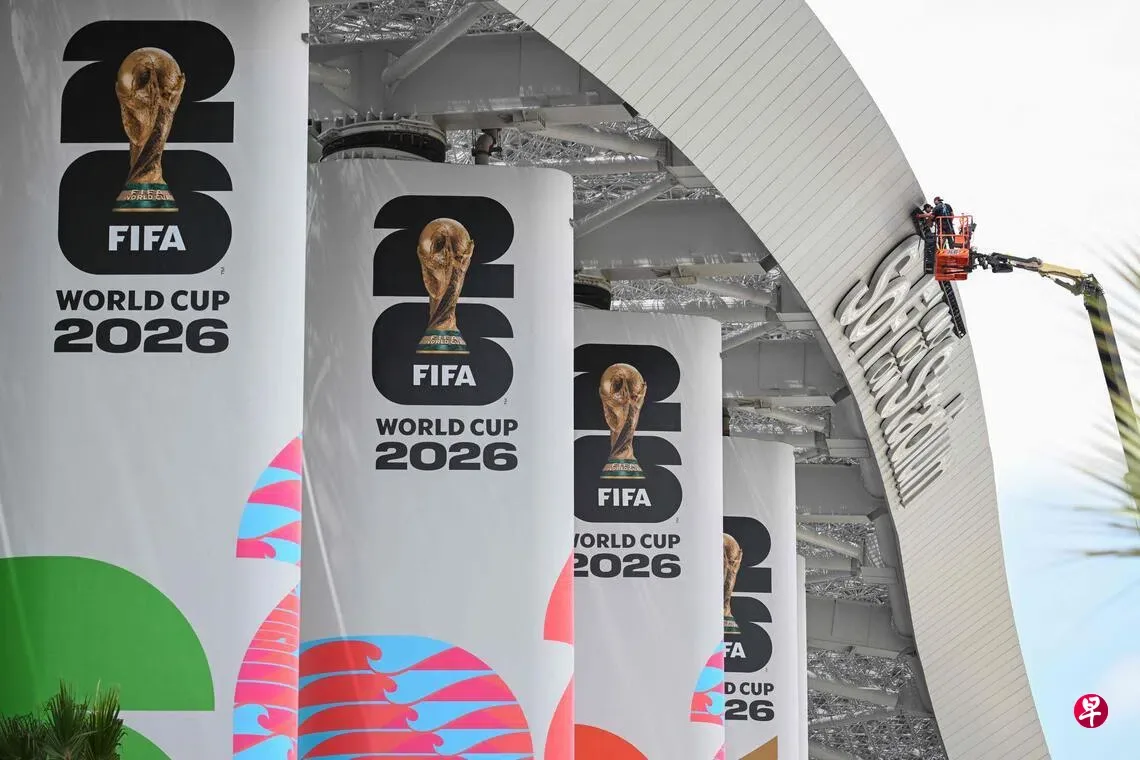
The 2026 FIFA World Cup begins on June 11 and runs through July 19 across the USA, Canada, and Mexico [1, 2, 3, 4, 5, 6]. Authorities in Malaysia, Singapore, and Hong Kong are stepping up efforts to combat illegal gambling activities tied to the tournament.
Hong Kong police announced strengthened enforcement operations on June 8. They expect a rise in illegal gambling, now increasingly digitalized via online betting, social media ads, cryptocurrencies, and mobile apps. Specialized crackdowns named "戈壁" and "风盾" will focus on detecting syndicates. Chief Inspector Huang Yuwei said, "Even though illegal gambling is becoming more digitalized, the police have the ability to detect syndicates and participants, and will conduct joint operations with other regions" [1]. Hong Kong saw 1,104 illegal gambling arrests during the 2022 World Cup and 4,482 in 2025 overall, with police seizing HKD 3.08 million (approx SGD 0.51 million) in criminal proceeds [1].
Singapore authorities announced on June 9 plans to intensify enforcement during the World Cup, including blocking illegal gambling platforms and terminating numbers used for bets. A joint statement from the Ministry of Home Affairs and Ministry of Social and Family Development noted, "Unlike licensed operators, illegal operators do not provide responsible gambling safeguards, and may expose individuals and their families to significant financial and social harm" [2]. Singapore Pools is the only licensed operator in the country; all others are illegal [2, 7]. Legal penalties for illegal operators include fines up to SGD 500,000 and seven years imprisonment. Gamblers using illegal services face fines up to SGD 10,000 and/or six months jail [1, 7]. The Singapore National Council on Problem Gambling launched the "Every bet costs something" campaign to warn against excessive betting during the World Cup [2, 7].
A June 9 survey in Singapore revealed 76% of consumers worry minors will bet illegally via apps during the World Cup, while 51% expect to place bets online. Jumio President Bala Kumar stated, "With the growth of online sports betting, operators have a clear responsibility to proactively prevent minors from accessing platforms rather than reacting only after the fact" [8].
In Malaysia, the Communications and Multimedia Minister warned on June 8 of a strong crackdown on online gambling, urging public reporting of illegal content [6]. On June 10, Malaysian police launched Op Soga XI, a nationwide operation targeting illegal gambling syndicates, online platforms, promoters, and agents during the World Cup period [5, 9]. Police estimate 90% of illegal gambling will occur online, facilitated by social media influencers, closed messaging groups, and electronic payments. Bukit Aman CID Director Datuk M. Kumar said, "We are particularly concerned about the growing trend of influencers being used to advertise illegal gambling platforms to their followers". He added, "Firm action will be taken, including investigations, because promoting gambling is an offence under the Open House Gambling Act 1953" [4, 9].
Illegal gambling in these regions is linked to significant law and order issues as well as financial and social harms [2, 7, 4]. Some syndicates offer bonuses, free credits, live betting, and recruit customers through agents and influencers [4, 9].
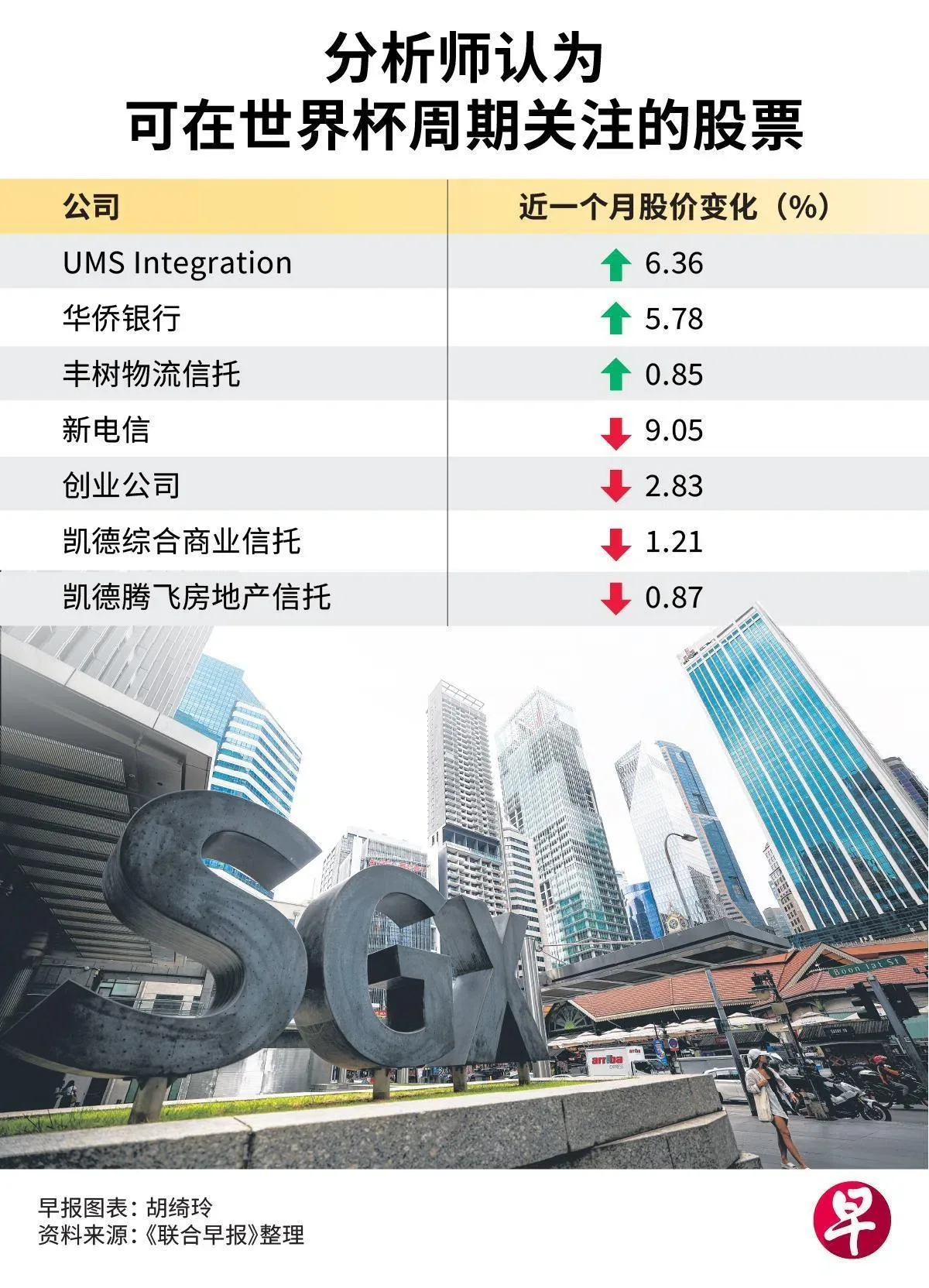
Singapore’s stock market tends to slow during the World Cup, presenting tactical investment opportunities in telecom, consumer, real estate, and technology sectors [3].