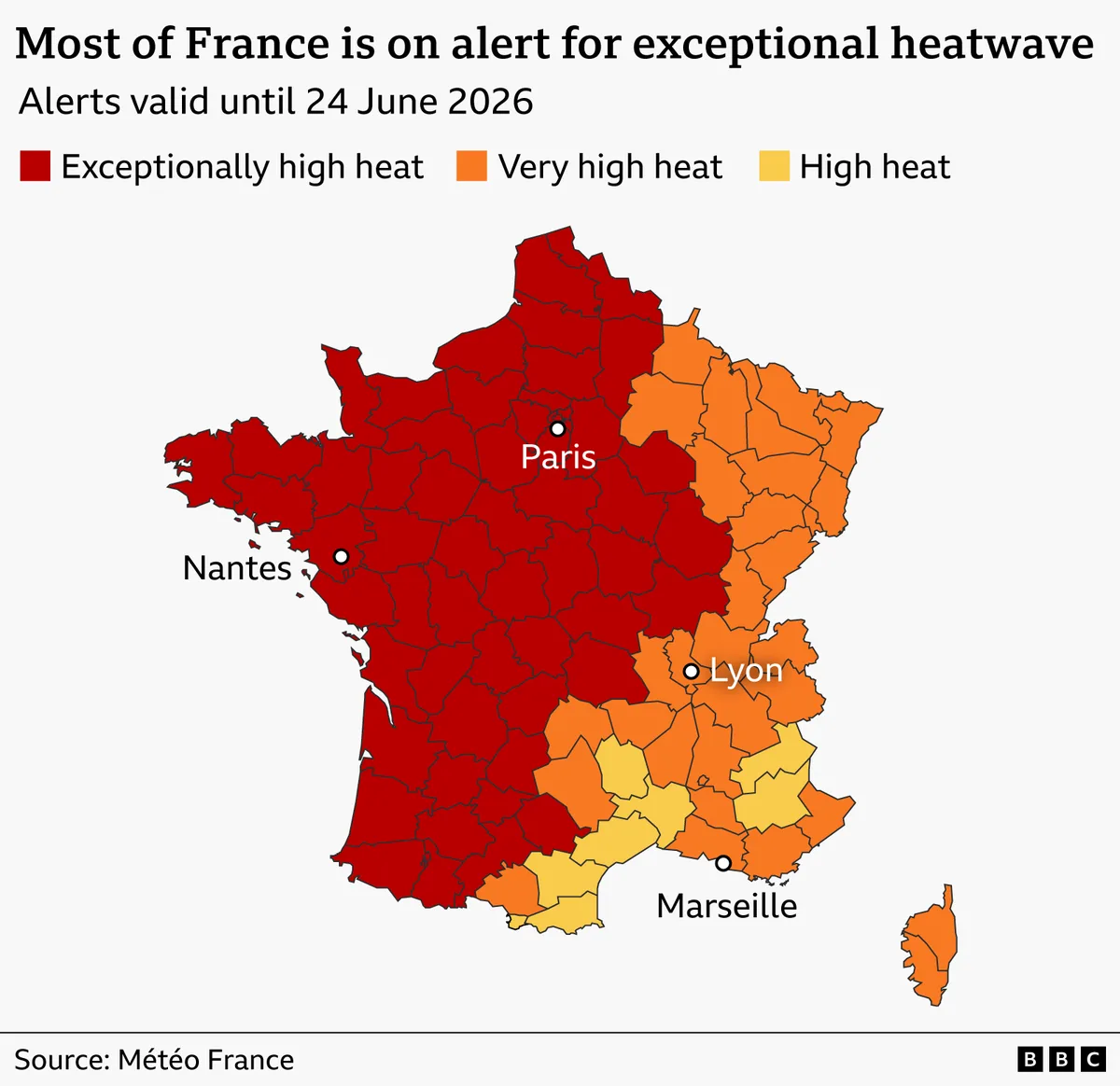
France has endured a record-breaking heatwave in June 2026, with temperatures exceeding 40 degrees Celsius in many areas and setting new national records for the hottest day and hottest night [1, 2, 3, 4, 5, 6, 7, 8, 9, 10]. The heat has affected more than half the population, about 36 million people, triggering orange or red heat alerts across 89 departments [7, 8, 9, 11].
Since the weekend before June 23, around 20 people drowned in France while swimming in unsupervised or banned areas such as rivers and canals as they sought relief from soaring heat [1, 10]. Among the victims was a 13-year-old girl who could not swim and a young professional footballer pulled from a river in critical condition [1]. French sports minister Marina Ferrari said, "To go swimming in unauthorised areas, during a heatwave, is not something to take lightly," emphasizing the danger [1]. Two children aged two and four also died after being left in a parked car exposed to heat in southern France [1, 11].
More than 780 schools adjusted hours while 150 closed completely due to the heatwave, affecting education across the country [7, 8, 9, 11]. The heatwave coincided with the annual Fête de la Musique on June 21, during which authorities banned alcohol sales in red alert regions to ease hospital pressure [12, 9]. Paris allowed supervised swimming in a section of the Canal Saint-Martin starting June 17 to provide safe cooling options, with Mayor Emmanuel Gregoire calling restrictions on swimming “slightly absurd” given the heat [3, 4, 6].
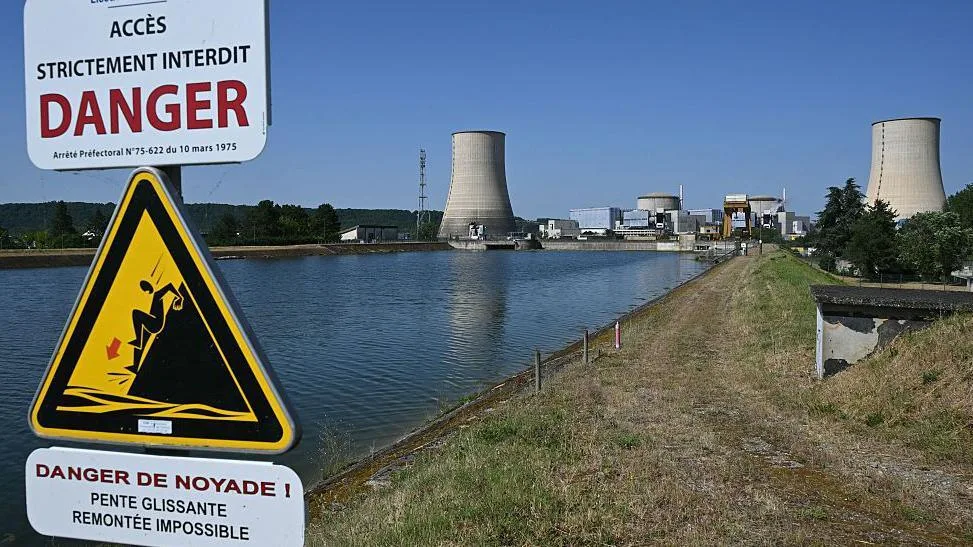
French rail services canceled 71 long-distance trains June 18-19 to reduce risks from air-conditioning failures [5, 6]. Meanwhile, nuclear power output is at risk due to warmed river water used for cooling; output limits at some plants started June 20 and will continue [5].
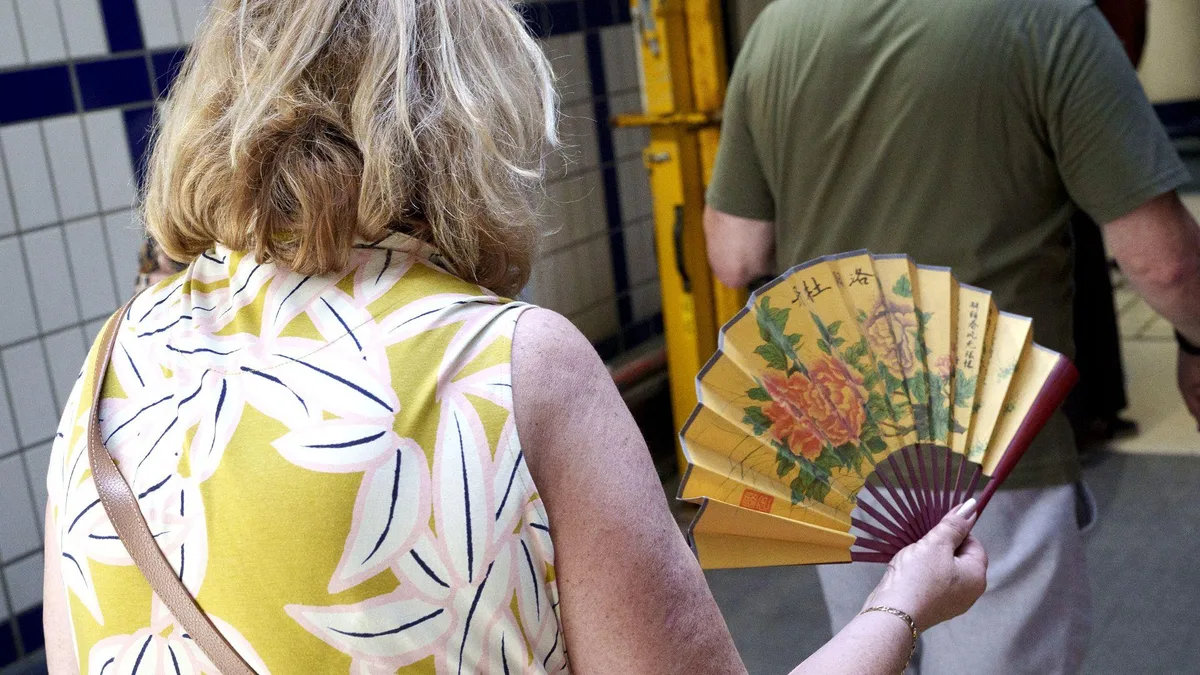
French health officials warned of accumulating health risks from sustained high temperatures and urged caution, especially for vulnerable people. Health Minister Stéphanie Rist said, "We’re heading for, at the very least, several days of very, very hot weather. We don’t know when temperatures will start falling" and noted many will suffer due to the heat accumulation on bodies [1, 8, 9].
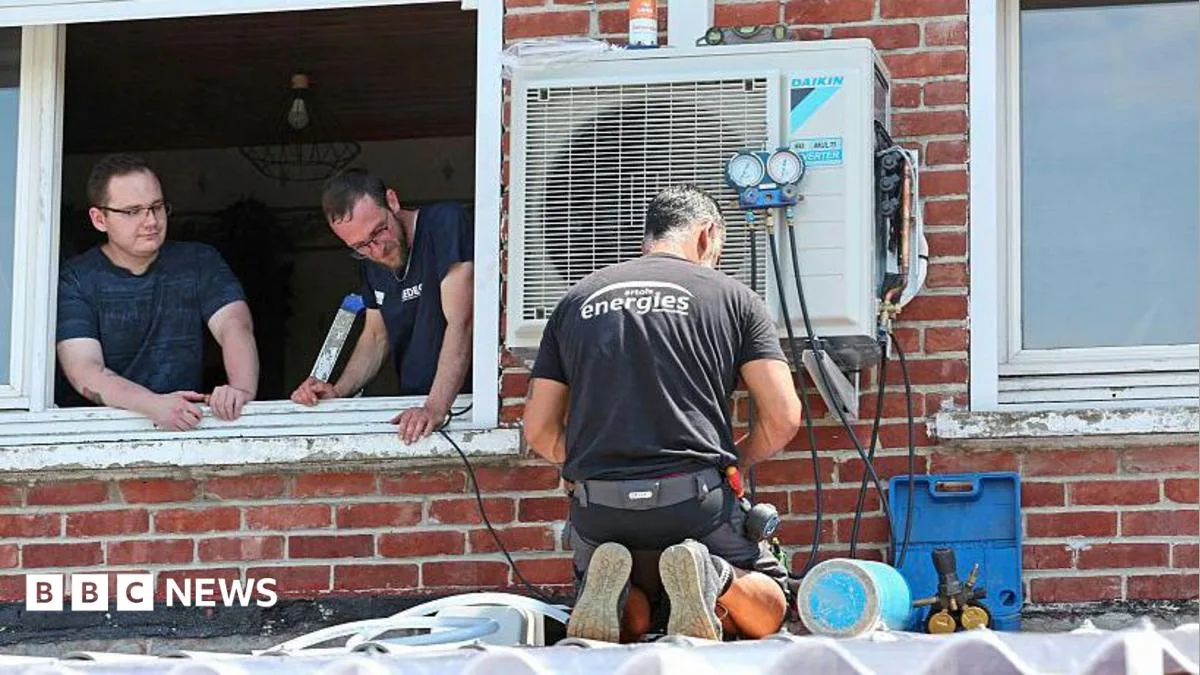
The heatwave follows an earlier record-breaking May heatwave in France, the country’s second major heatwave in 2026, illustrating a pattern of increasingly frequent and intense events attributed to climate change [3, 4, 7]. Political debate intensified around expanding air conditioning, with some right-wing figures calling for subsidies, while former opponents now recognize some air conditioning in schools and hospitals may become necessary [2].
Meanwhile, 49 French departments remained under red alert on June 22, with Bordeaux recording 43 degrees Celsius during the peak [8, 9]. Spain, Germany, and Italy are also experiencing severe heat, with red alerts and wildfire risks reported in parts of southern Europe [1, 5, 12, 8].
The French government will continue monitoring heat impacts and managing risks, especially as energy and public safety remain under pressure during the prolonged heatwave.