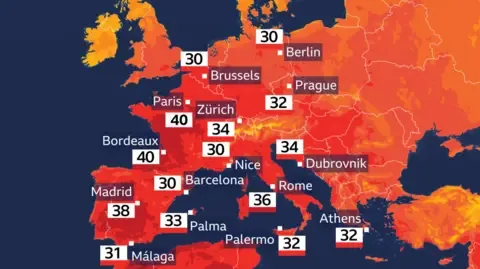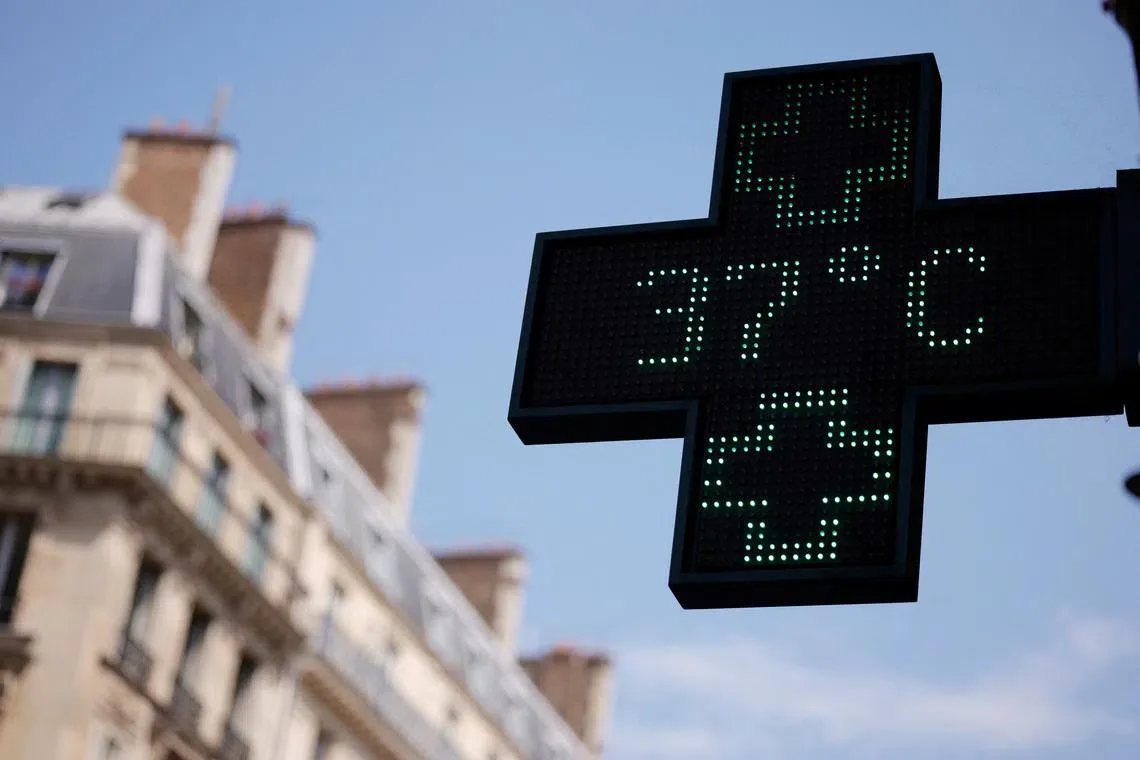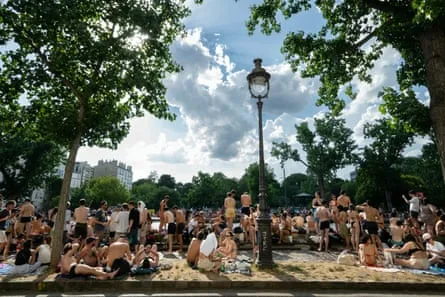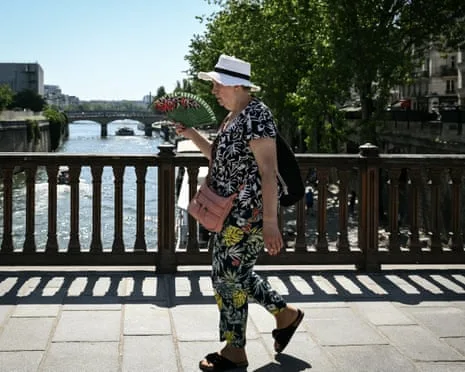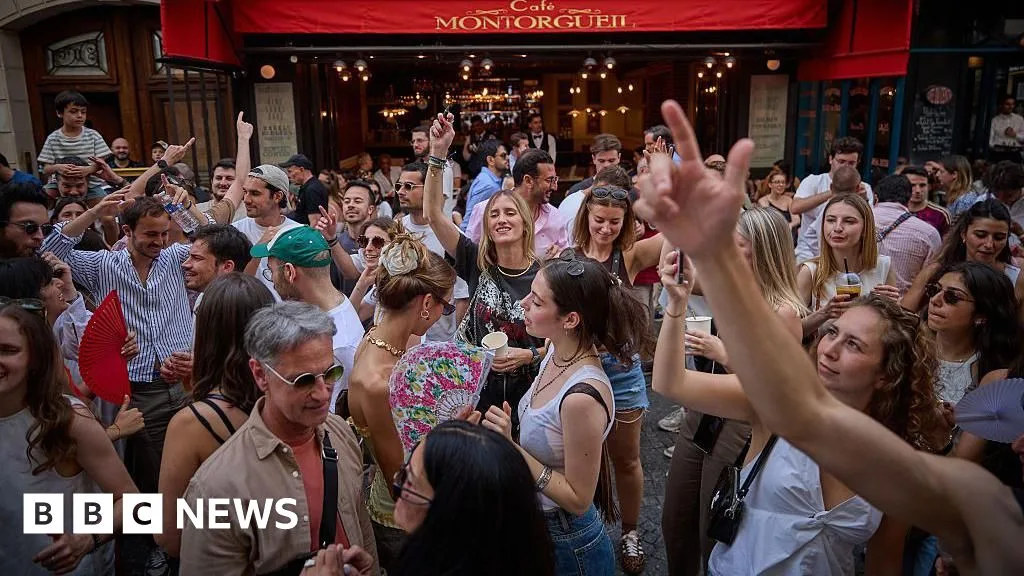
France imposed an alcohol ban on some Fête de la Musique events held on June 21 in 35 departments under red heatwave alert, affecting about 53 million people, or roughly one third of the population [1, 2, 3]. The ban applied to public spaces and municipally organised state events in departments with the highest alert level [1, 4, 2]. Temperatures in affected areas from southwest France through Paris and Burgundy were forecast to reach 39°C to 41°C on Sunday [1, 2, 3].
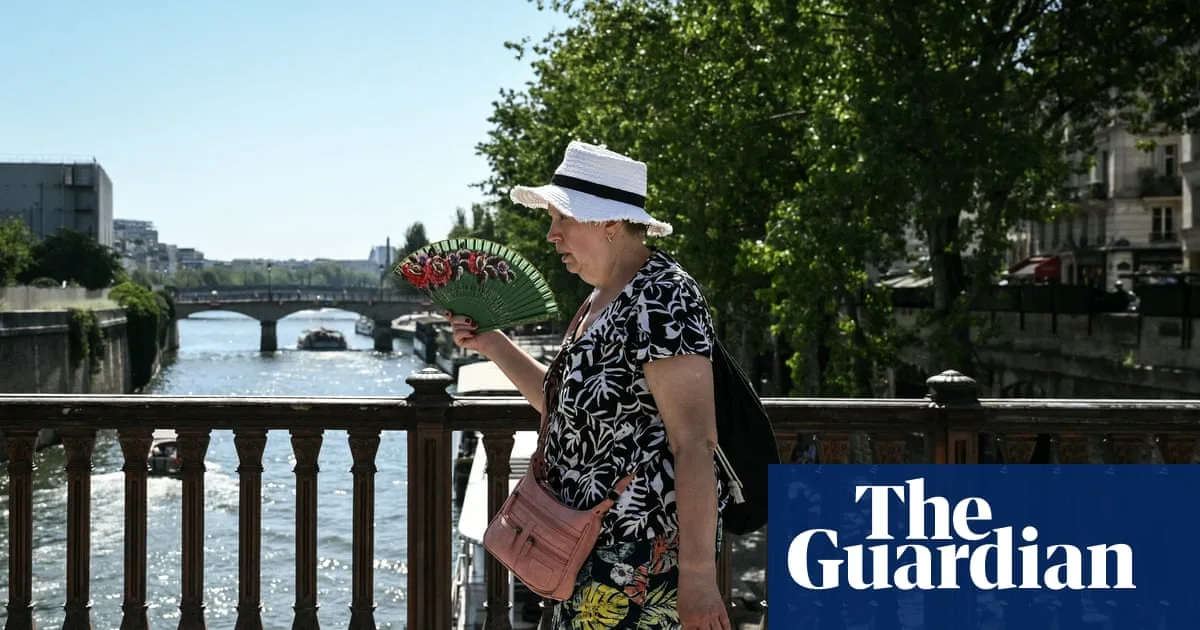
The ongoing heatwave had already forced cancellation of dozens of trains and school suspensions as authorities sought to limit health risks, especially dehydration and heatstroke [1, 2, 3]. The government said it aimed to ease pressure on emergency services so healthcare workers could focus on vulnerable groups [1, 2, 3]. The French Prime Minister's office said, "For all events organised by the state and its agencies, instructions have been given not to offer alcohol" [1]. Health Minister Stephanie Rist added, "Alcohol and high temperatures really do not mix well" [5].
Local authorities outside red-alert zones retained flexibility to adapt festivities. In Paris, alcohol remained permitted at licensed bars and cafes, though public drinking was banned in the highest-risk areas [2, 6]. Paris deployed about 4,800 police and gendarmes plus 2,500 emergency and health workers to maintain order during the festival [6, 5]. Measures also included banning gatherings along the Seine's lower banks, installing more than 1,300 free water fountains, and encouraging shops to refill water bottles free of charge [2, 6].
The Louvre museum cancelled its planned free concert under its glass pyramid amid heat concerns [6, 7]. Some towns moved events indoors or cancelled early performances, with alcohol sale restrictions varying by locality [2, 6]. Culture Minister Catherine Pégard said, "Extreme vigilance is needed and local authorities should decide whether festivities should be cancelled or held with precautions" [2].
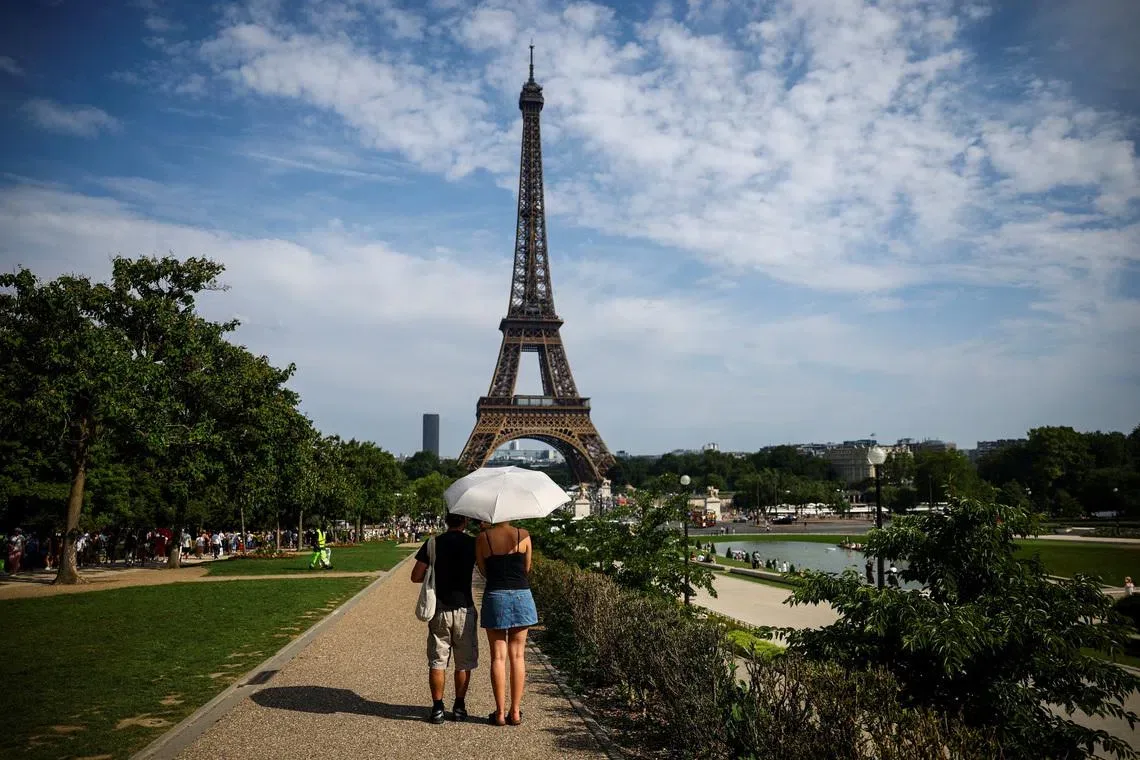
Fête de la Musique has been held annually on the summer solstice for over 40 years and attracted around 2 million people in Paris last year [1, 6]. Public parks and gardens in Paris remained open overnight to help residents and tourists cope with the exceptional heat [1, 3]. The heatwave was expected to peak on June 22 or 23, possibly exceeding historical record temperatures [1, 3].
Paris resident Hailey Infante, 21, said, "I think it’s a good thing. Honestly, it’s really hot, and even a drop of alcohol can quickly go to your head," while another, Nicolas Pilc, 48, expressed skepticism about the ban's effectiveness [6].