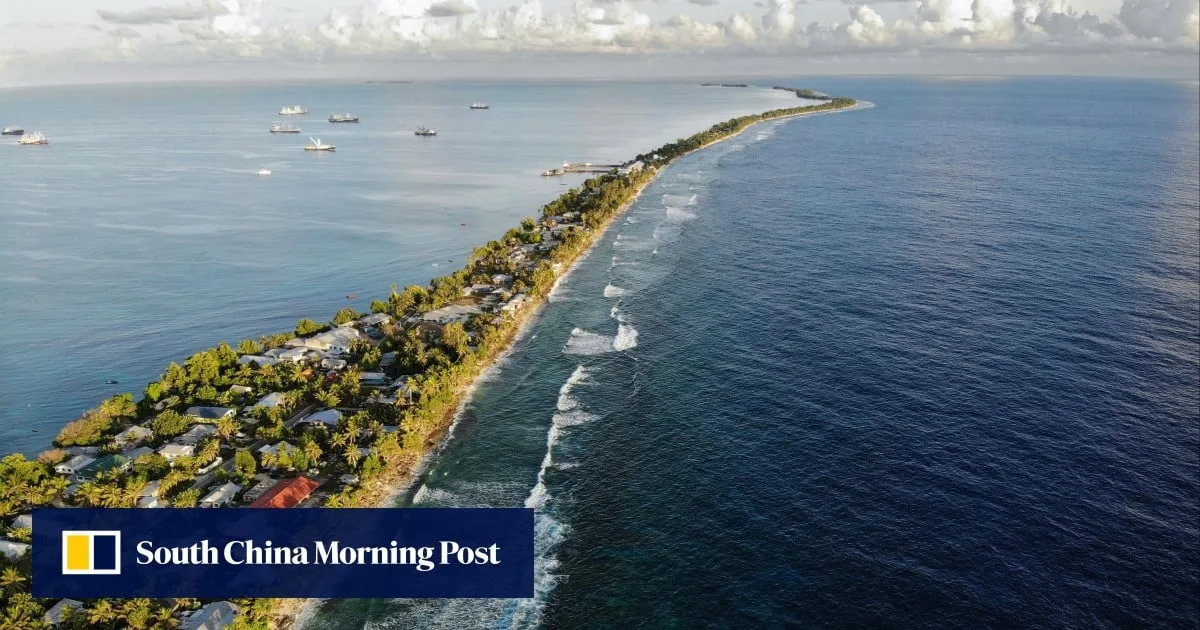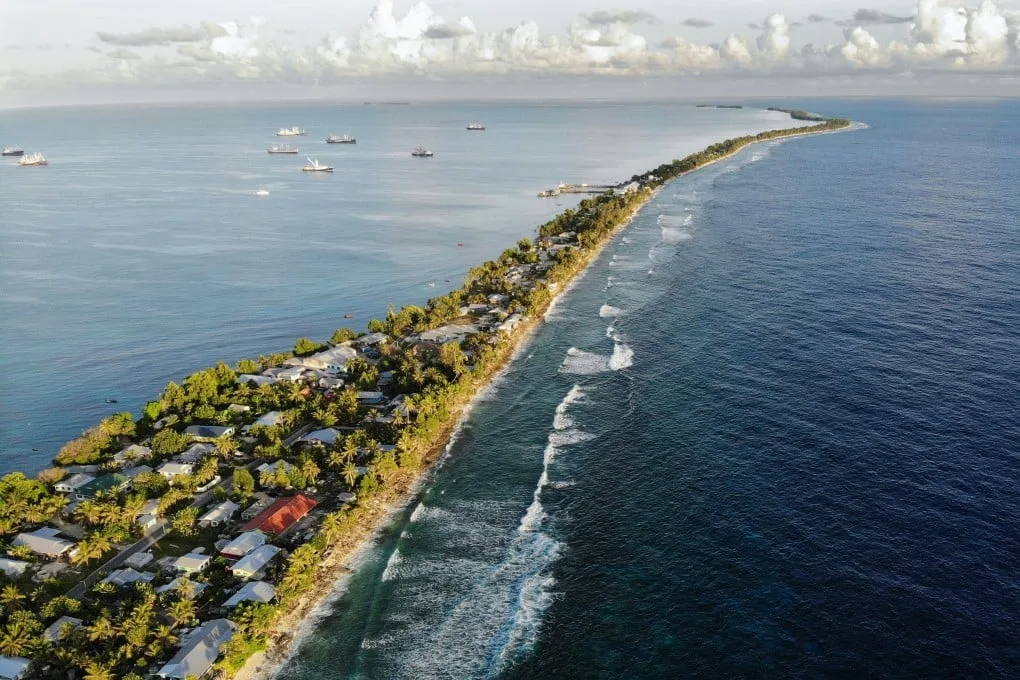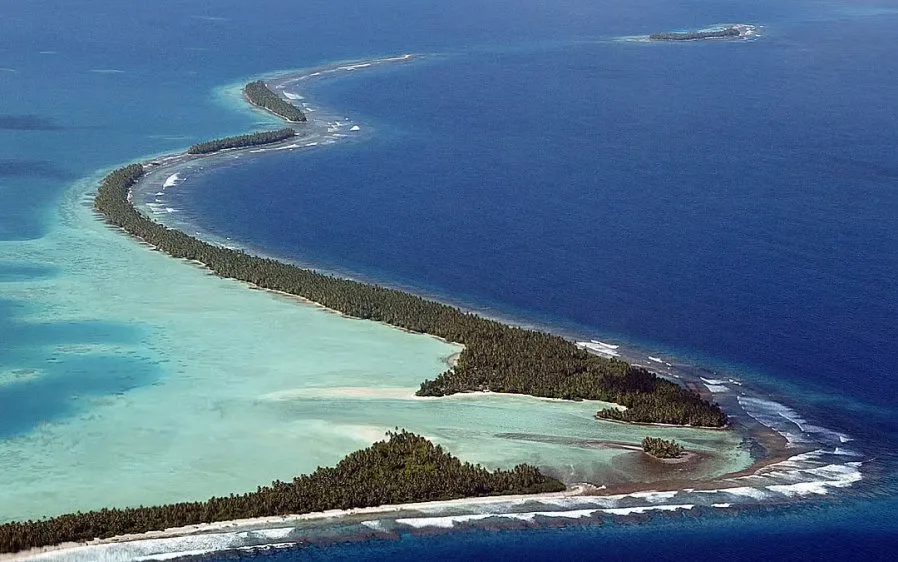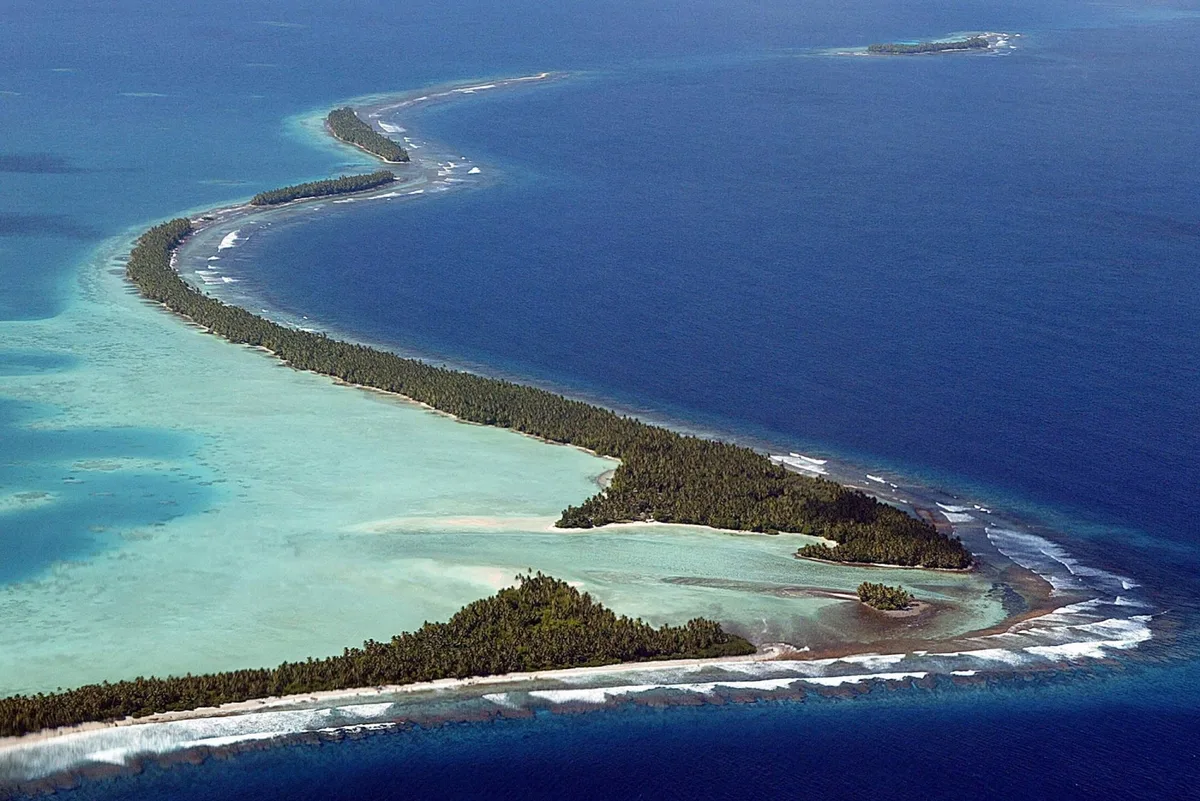
Australia, the largest donor to the Tuvalu Trust Fund, refused to release internal documents about the fund’s investments on June 23, citing risks to international relations [1, 2, 3]. The Tuvalu Trust Fund, valued at $200 million (8.29 billion MYR), supports the Pacific island nation in managing costs related to climate change [1, 2, 3].
Despite its climate mission, the fund holds investments in fossil fuel industries such as coal mining, gas exploration, and the world’s largest crude oil refinery [1, 2, 3]. Australia occupies one of three board seats overseeing the trust and participates in decisions on asset allocation [1, 2, 3]. The Australian Department of Foreign Affairs declined Freedom of Information Act requests for internal reports, invoking exemptions to protect diplomatic relations [1, 2, 3].
Climate finance expert Ivan Diaz-Rainey warned about transparency gaps and greenwashing risks, especially given the weak regulatory frameworks in Pacific island nations. He said, "My greatest concern is that, unlike countries such as Australia, the Pacific islands are unlikely to have strong regulators or robust legal protections to guard against potential greenwashing" [2]. Similarly, climate policy expert Wes Morgan called the fossil fuel investments "utterly incongruous" with Tuvalu’s climate vulnerability, stating the fund’s investments support "the means of Tuvalu’s destruction" [2].
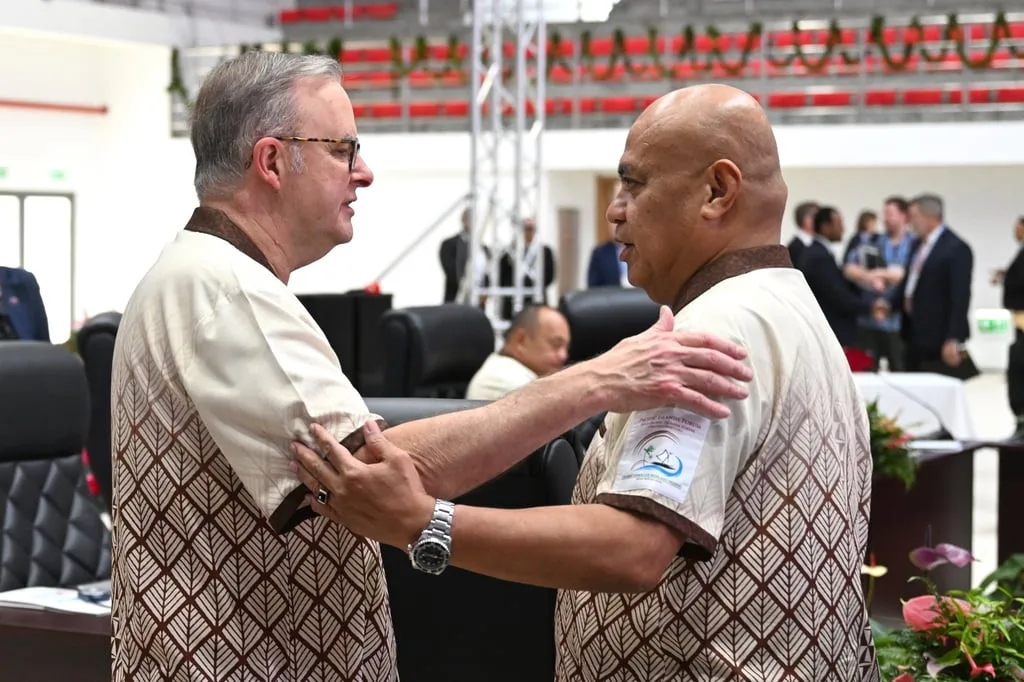
Tuvalu’s Climate Minister Maina Talia condemned Australia’s 2024 approval of coal mining expansions, linking the decision with concerns about the fund’s fossil fuel holdings [2]. Tuvalu’s Prime Minister Kausea Natano expressed disappointment over the investments but said the country cannot independently change the fund’s strategy, relying instead on support from Australia and New Zealand [3]. He said, "I personally feel disappointed to learn about these investments, but Tuvalu needs support from Australia and New Zealand to change the fund’s investment strategy as we cannot unilaterally decide the investment directions" [3].
The fund was set up in 1987 by Australia, New Zealand, and the UK to financially assist Tuvalu [3]. Mercer has managed the fund since 2022, investing in companies including Reliance Industries in India and Southern Company in the US [3]. Mercer said its management follows the fund’s established investment guidelines [3]. Australia said it will seek to limit the fund’s fossil fuel investments using its board seat [3].