Climate scientists warned on May 12 that 2026 could bring unusually severe wildfires, heat, drought, floods and other extreme weather as climate change and developing El Niño conditions converge. [1, 2, 3]
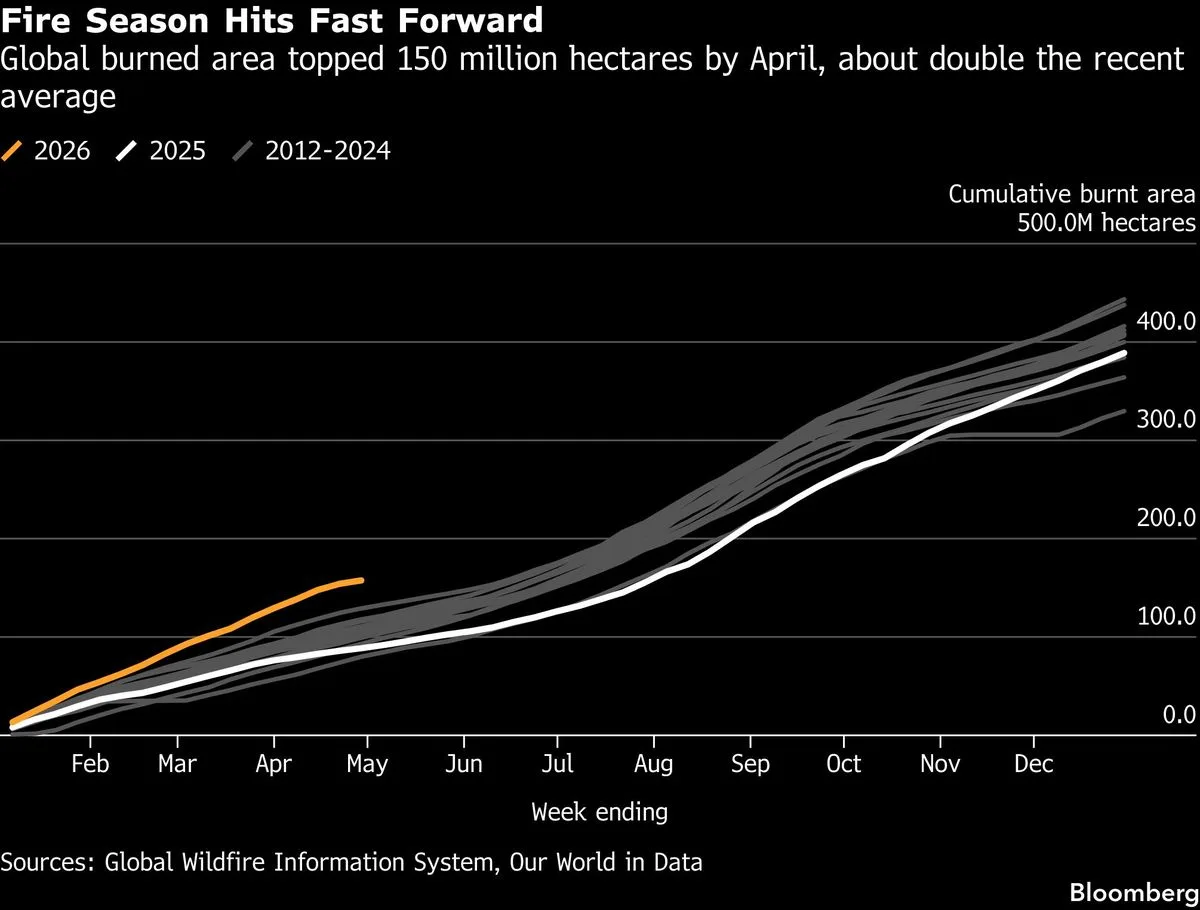
Wildfires had already burned more than 150 million hectares in the first 4 months of 2026, according to satellite estimates cited in reports released on Tuesday. Malay Mail put the total at more than 163 million hectares between January and the first week of May. [1, 2, 3]
The burned area was described as far above recent averages. One report said it was roughly double the seasonal average for this point in the year, while Malay Mail said the total was about 50% above average and around 20% higher than the previous global record since tracking began in 2012. [1, 2, 3]
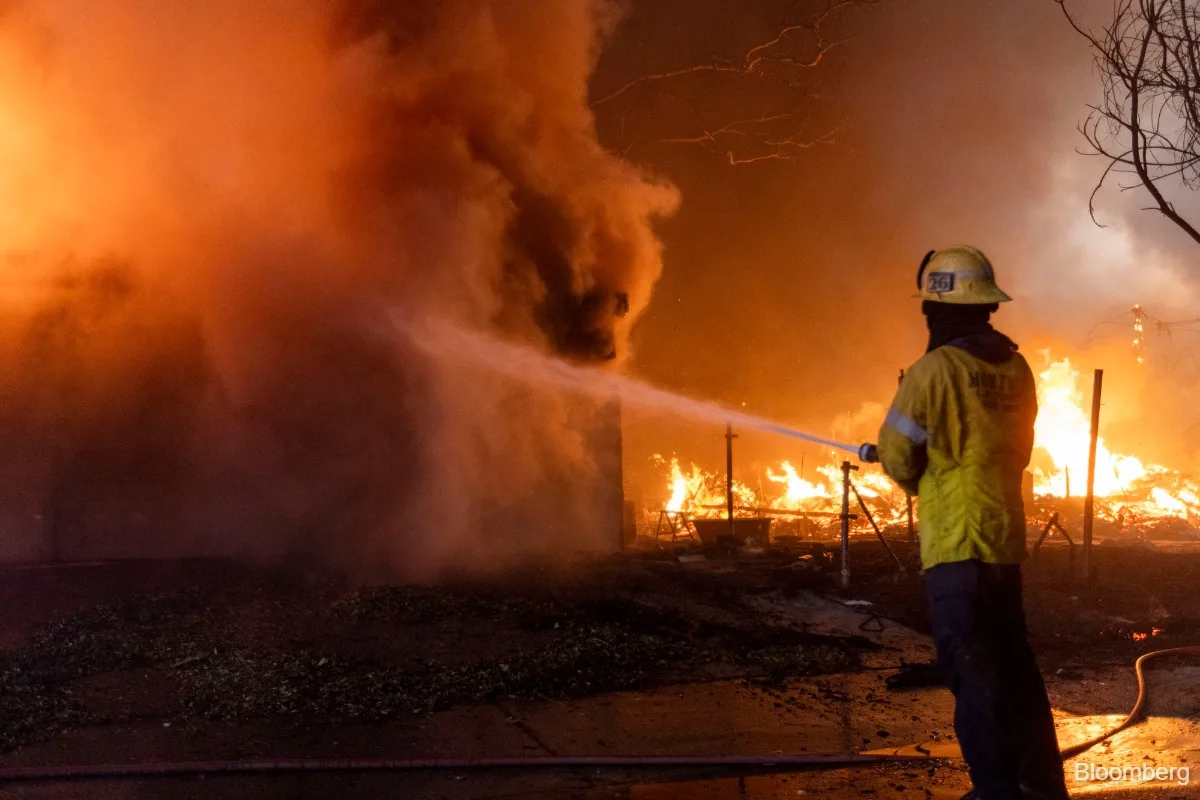
The early fire surge has already strained crews in Argentina, Chile and Japan and fueled major blazes in the US and Southeast Asia. Malay Mail also said records had been broken in parts of west Africa, the Sahel, Sudan and South Sudan, and that Asian wildfire area was nearly 40% above the previous record. [1, 2]
Researchers said a strong El Niño could intensify the pattern later in 2026 and into 2027, with hotter, drier weather in some regions and heavier rain in others. US forecasters said El Niño was likely to develop between June and August and could be exceptionally strong. [1, 3]
Scientists also warned of record-high sea surface temperatures and a heightened risk of unprecedented weather extremes. Friederike Otto said “there is a serious risk” and added that “Climate change is the reason to freak out.” Theodore Keeping said, “This rapid start, in combination with the forecast El Niño, means that we’re looking at a particularly severe year.” [1, 3]
Forecasters said the El Niño phase could emerge in the June-to-August period, a window scientists are watching as fire and heat risks rise. [1]