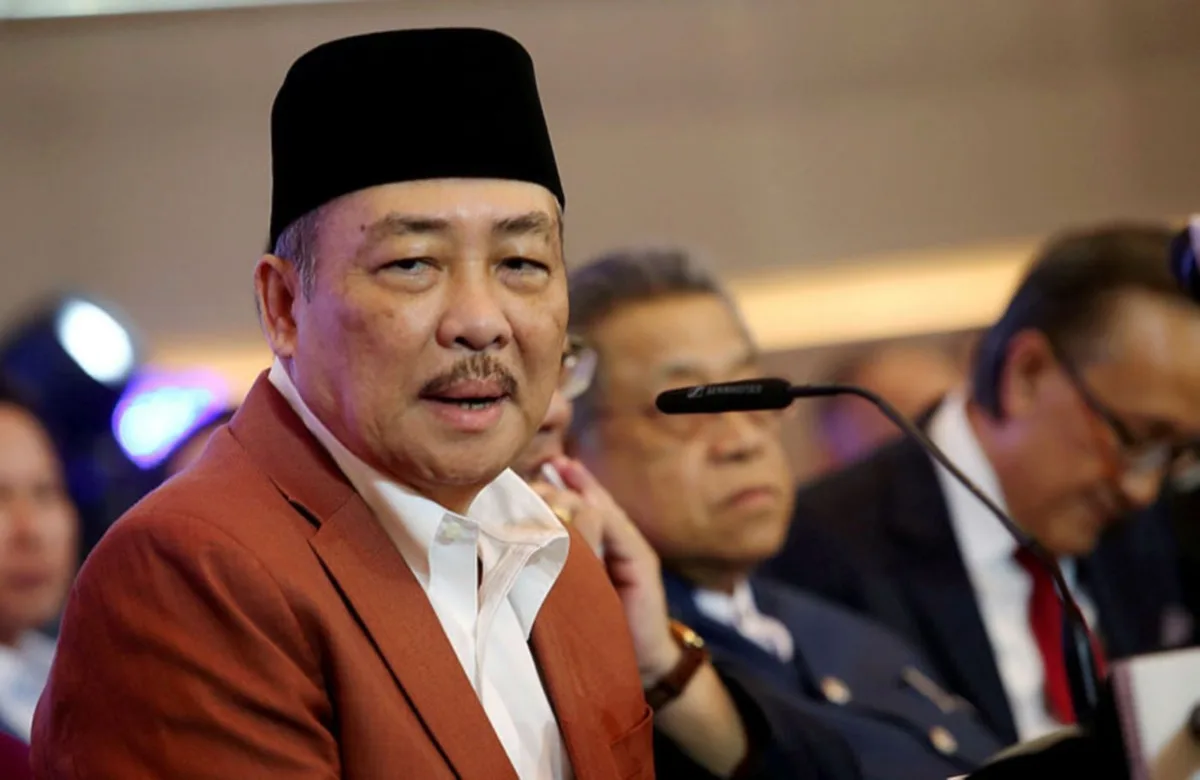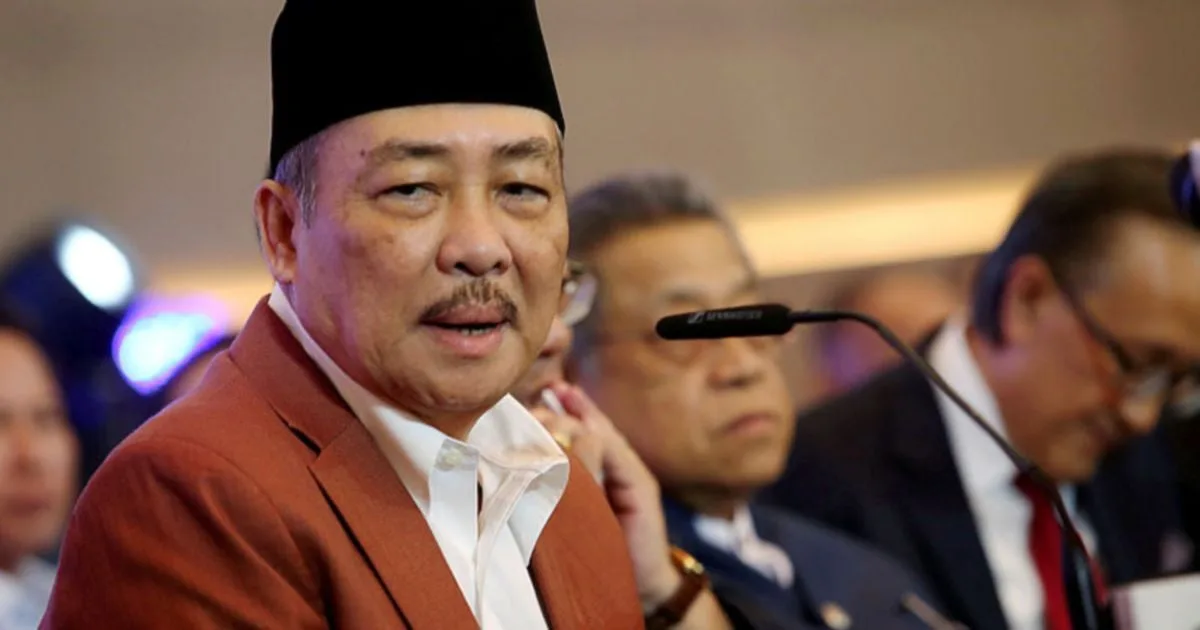
Sabah's Chief Minister Datuk Seri Hajiji Noor unveiled a 25-year Forest Master Plan on May 23 at the National Level International Forest Day celebration in Dataran Sook. The plan aims to guide forest resource management while balancing socio-economic development and environmental conservation across the state [1, 2].
Currently, Sabah retains 63% forest cover, equating to about 3.85 million hectares designated as forest reserves and protected areas. The state government is committed to maintaining at least 50% forest cover as outlined in the Sabah Forest Policy 2018 [1, 2].
The plan includes designating 2.2 million hectares, or 30% of Sabah's total land area, as Totally Protected Areas to conserve biodiversity. It also targets restoring degraded reserve land, with 400,000 hectares identified for Forest Plantation Development under a 2022–2036 action plan. This will help reduce reliance on natural forest timber and restore forest productivity [1, 2].
Sabah will collaborate with the United Nations Development Programme and the Global Environment Facility to implement the Food Systems, Land Use and Restoration Impact Programme. This initiative covers integrated landscape management across 2.1 million hectares in 12 districts [2].
Natural Resources and Environmental Sustainability Minister Arthur Joseph Kurup spoke at the May 22 National International Day of Forests event in Sook Lake Forest Reserve. About 1,000 trees were planted there to mark the occasion. Kurup stressed that forests are both vital natural assets and economic resources for rural communities. He urged the younger generation to continue preserving these "forest treasures" for future sustainability [3].
Sabah remains a carbon-negative state thanks to its extensive forest carbon sinks. Minister Kurup also detailed efforts to encourage all Malaysian states to adopt amendments to the National Forestry Act 2022. These new safeguards include mandatory public hearings and replacement forest requirements to bolster conservation. Several states have already begun this process [3].
Sabah's chief conservator of forests, Zulkifli Suara, emphasized cultivating collective responsibility and encouraging greater public participation, particularly among youth, in forest conservation initiatives [3].
Datuk Seri Hajiji Noor said, "With the Forest Master Plan in hand, the Sabah government will ensure that all Ecologically Sensitive Areas remain protected while at the same time not neglecting sustainable socio-economic development for the wellbeing of the people of Sabah" [1, 2].
The Forestry Department will continue to develop and implement the master plan, with ongoing initiatives to restore forest areas and expand protections over the coming decades.