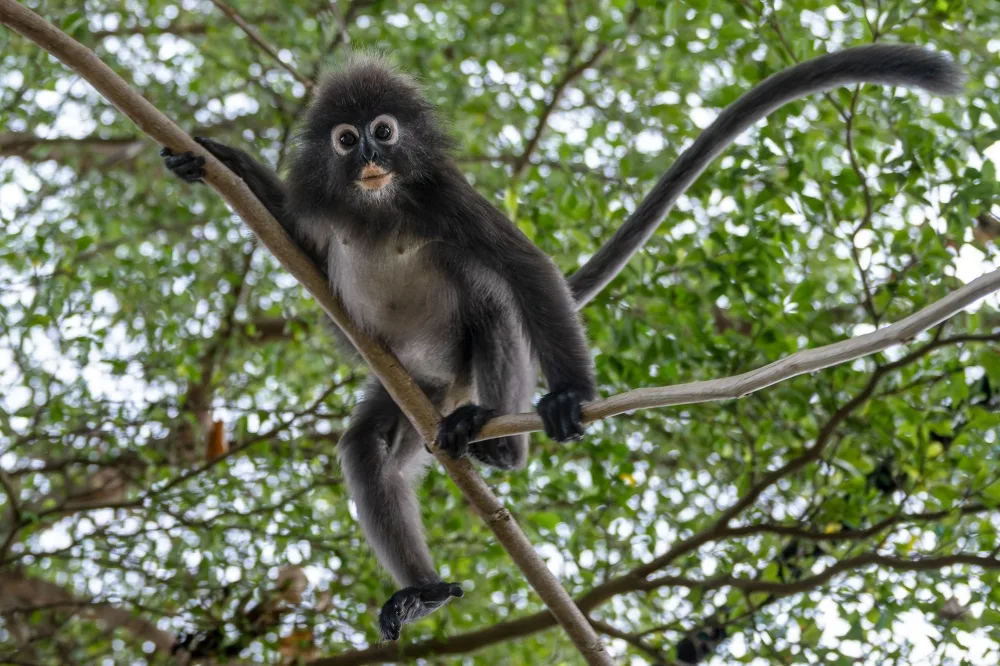
Malaysia's endangered dusky langurs face threats from habitat fragmentation, poaching, and conflicts with local communities, especially when crossing roads to reach coastal feeding areas [1, 2]. These primates are known for their distinctive white fur "masks" around their eyes [1, 2].
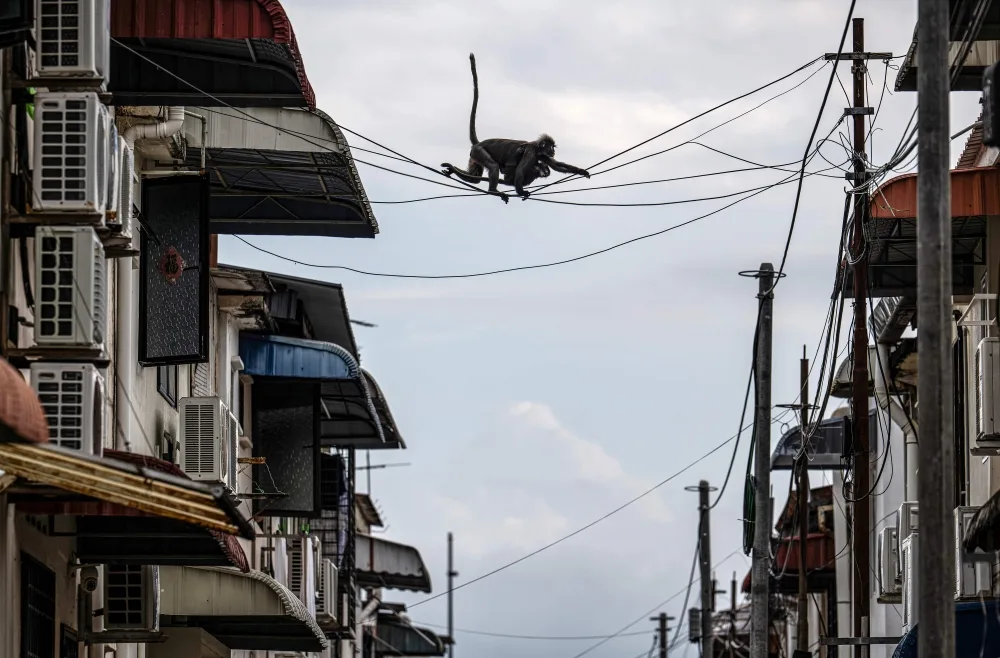
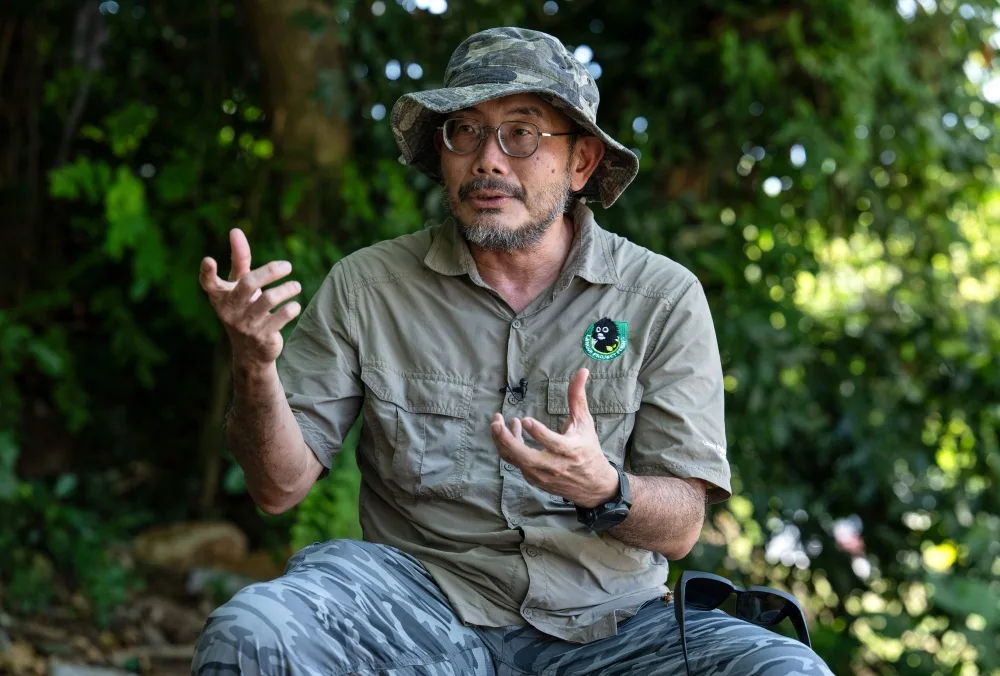
In 2016, Langur Project Penang (LPP) founder Yap Jo Leen observed dusky langurs risking dangerous road crossings during fieldwork. "I realised that they don’t just stay in the forest. They also cross roads to the coastal area to look for food," Yap said, sparking the idea to build canopy crossings to keep the langurs safe [1, 2]. She recalled, "At the time, the idea was wild because no one in Malaysia had actually done it before" [2].
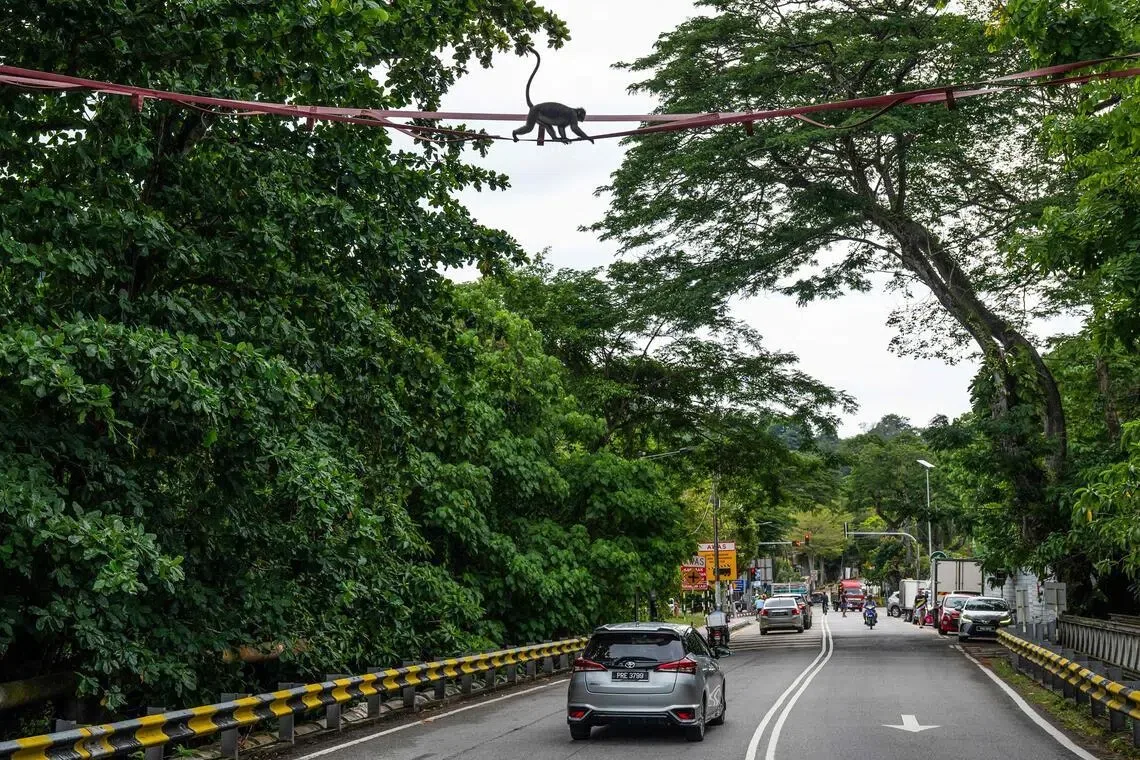
LPP experimented with materials and settled on using upcycled fire hoses twisted to mimic tree branches for the rope bridges. These bridges are suspended over roads anchored on one side by a tree and on the other by a custom-installed pole [1, 2].
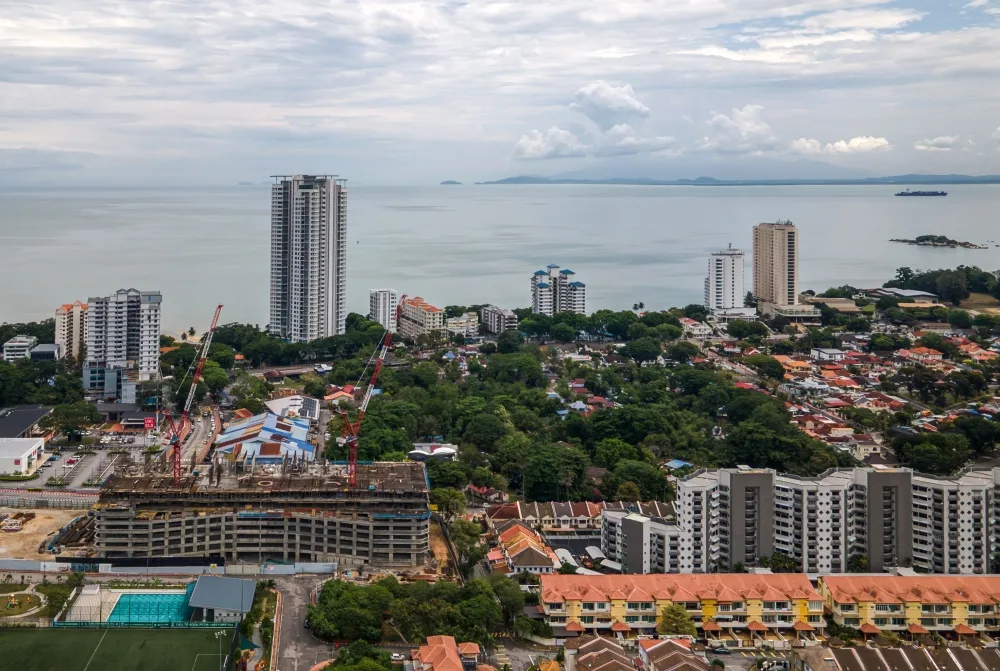
Since 2019, LPP has installed three such canopy crossings in Penang, including one in April 2026 at Batu Ferringhi, a coastal suburb and beach destination [1, 2]. At one site, eight dusky langurs died in traffic accidents between 2016 and 2018. No deaths have been recorded since the canopy crossing was installed there [1, 2].
The rope bridges allow langur groups to expand their range closer to the hills and find safer habitats, reducing conflicts with urban areas. "They have more opportunity to venture closer to the hills... and find their way to a safe haven," Yap said [1, 2].
Similar canopy bridge approaches have been used to protect other endangered primates such as orangutans in Indonesia [1, 2].
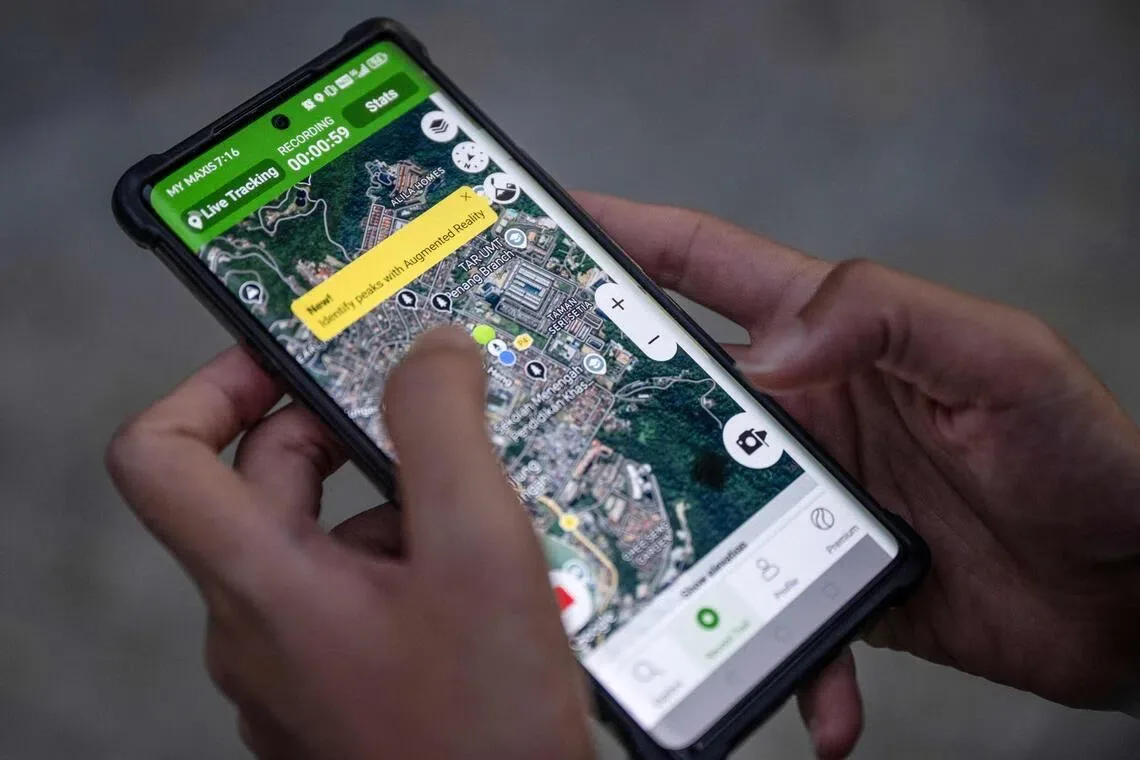
The Langur Project Penang continues to monitor langur movement and community engagement through citizen science alongside the canopy crossings [1, 2]. The latest crossing at Batu Ferringhi, installed in April 2026, represents the group's ongoing effort to reduce road fatalities and promote coexistence between humans and dusky langurs.