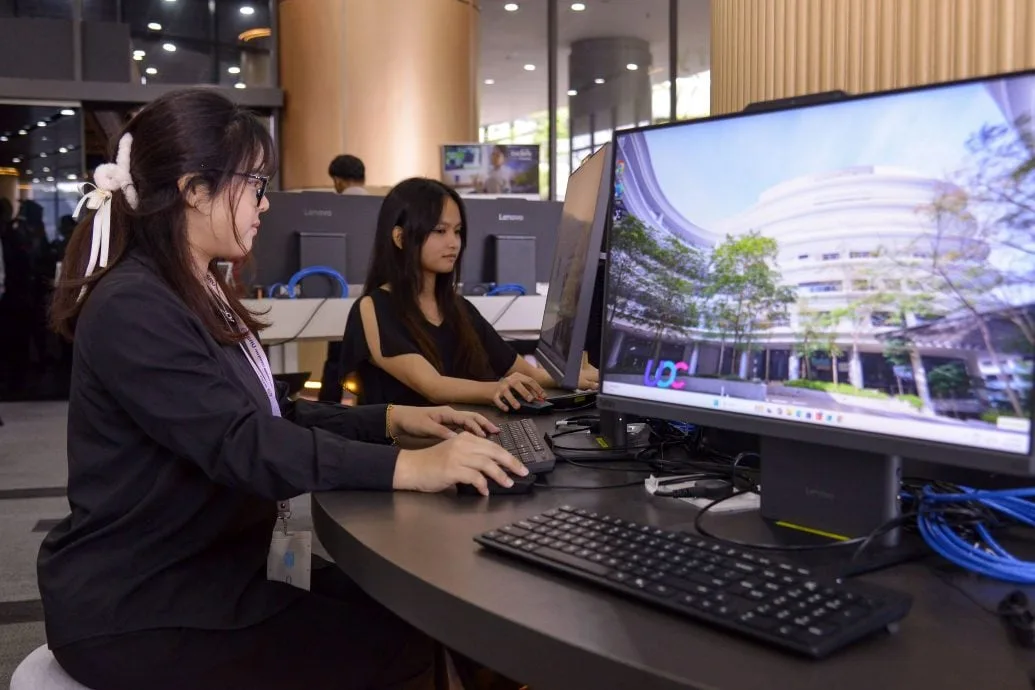
The Malaysian government announced plans to restructure all 36 polytechnics nationwide to move beyond certificate and diploma courses and include bachelor's and master's degree programs. [1, 2, 3, 4] The plan aims to align polytechnic training with present and future industry demands, especially in artificial intelligence, electrical and electronics, and semiconductors, sectors where Malaysia is a major global producer. [1, 3, 4]
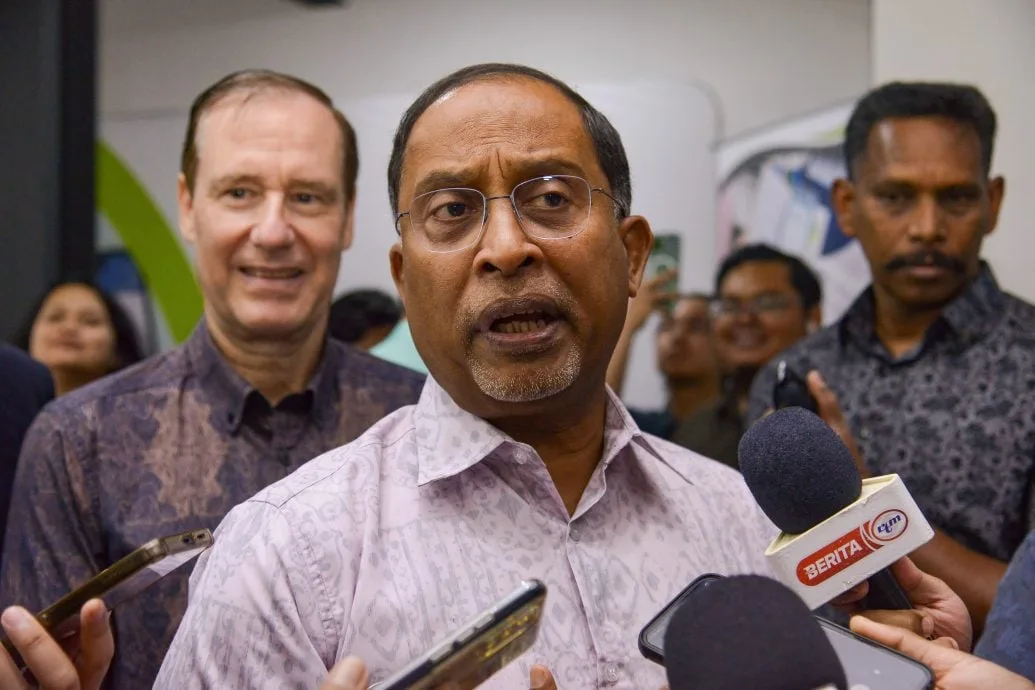
Higher Education Minister Datuk Seri Dr Zambry Abdul Kadir said, "Our focus will be on high-tech areas such as AI and semiconductors because Malaysia is one of the major semiconductor producers in the world." He highlighted the need for polytechnics to produce highly skilled talent rather than just mid- to low-level technical workers. "We need higher-level polytechnics capable of producing skilled talent in the sectors I mentioned," he added, noting that top polytechnic models worldwide are moving toward broader degree offerings. [1, 3]
Dr Zambry stressed the government will review course offerings to ensure they meet future workforce requirements. "We will review the overall ecosystem of the polytechnics, including the courses offered, to ensure they meet present and future demands and industry needs," he said. [3] He also addressed critics who say polytechnic courses attract everyone without focus, countering that polytechnics have always prioritized market and future needs. [4]
The restructuring proposals are expected to be submitted to the Cabinet by late 2026 or early 2027 for approval. [1, 3, 4] As part of related educational development, construction is set to begin in 2027 on a new RM70 million community college in Pontian. This 8-acre facility will focus on agrotechnology, sustainable agriculture, and entrepreneurship, aiming for completion in 2028 or 2029. [3, 4]
Additionally, the Higher Education Ministry is reviewing salary scales, career pathways, and professional development opportunities for polytechnic and community college staff. A committee has been established to examine the legal and institutional aspects of the restructuring. [2]
The government plans to continuously adjust polytechnic course offerings based on 5- to 10-year industry forecasts to ensure graduates meet evolving workforce demands. [1, 4]