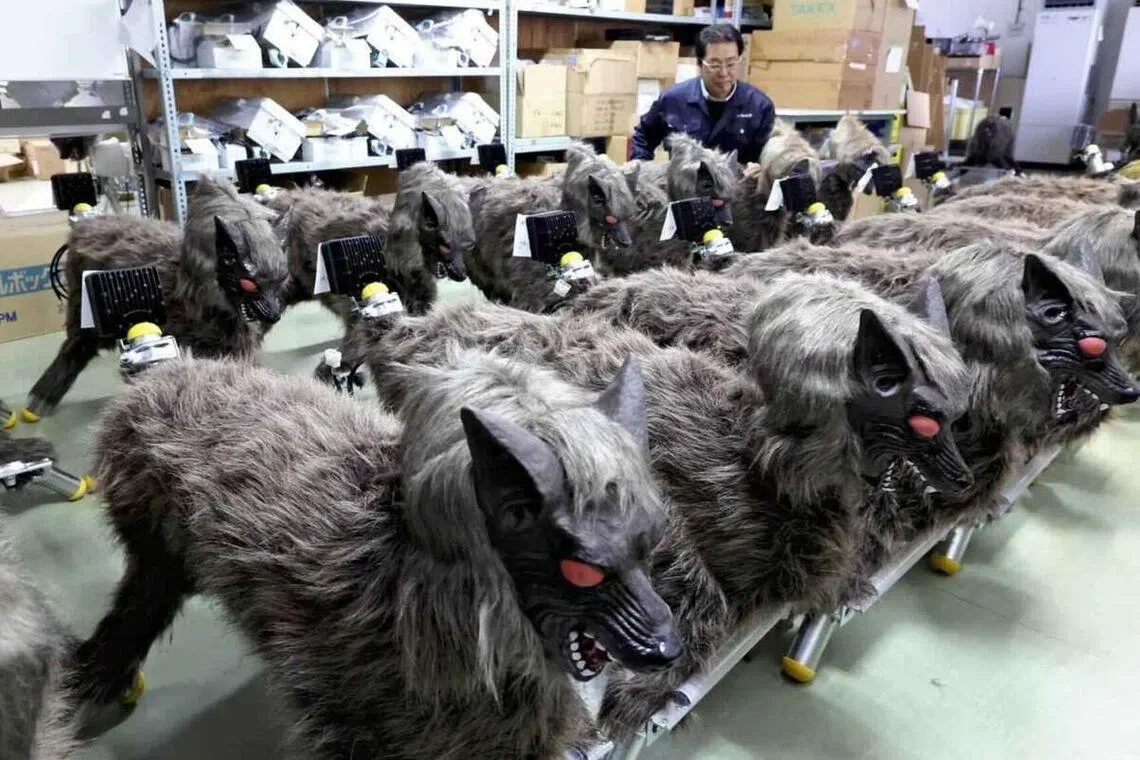
Ohta Seiki, a manufacturer based in Hokkaido, has seen a surge in demand for its 'Monster Wolf' robot in 2026 due to a sharp rise in bear attacks and sightings across Japan [1, 2, 3]. The company received roughly 50 orders this year alone, exceeding its usual full-year volume, and now faces a 2-3 month waiting list as it produces the devices by hand. "We cannot make them fast enough now," company president Yuji Ohta said [1].
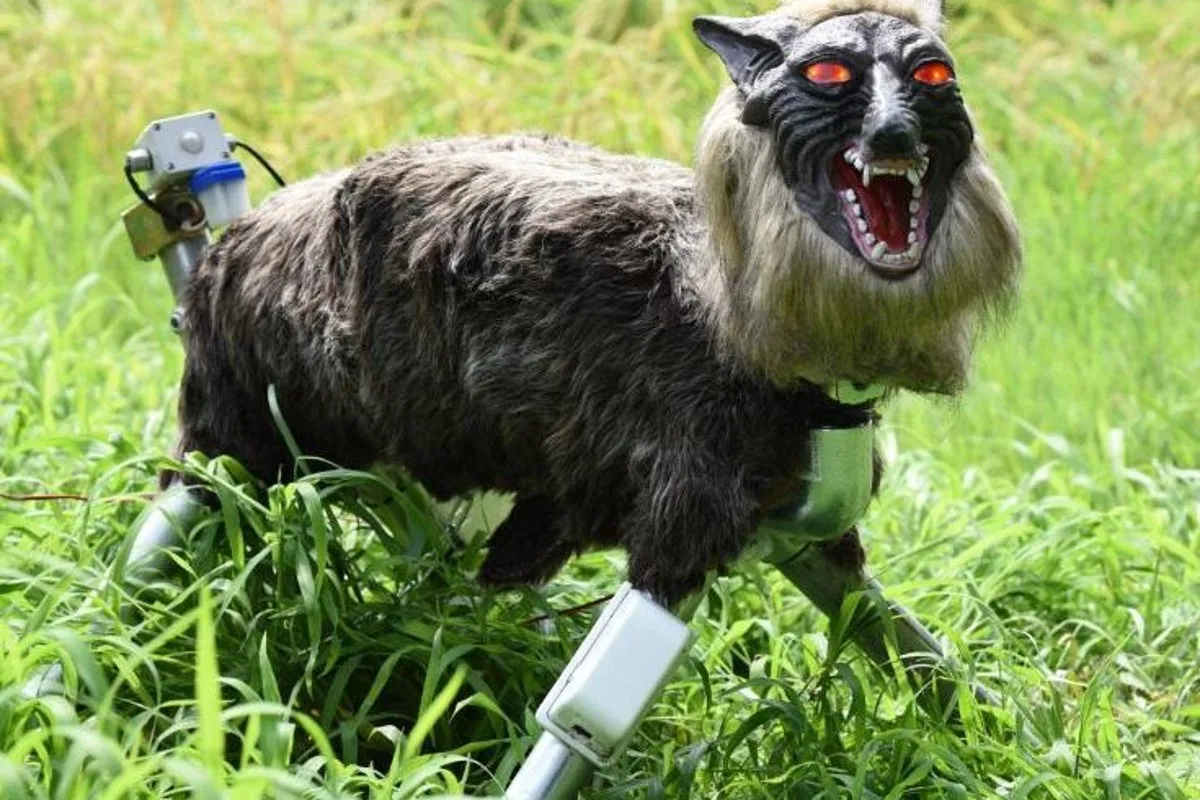
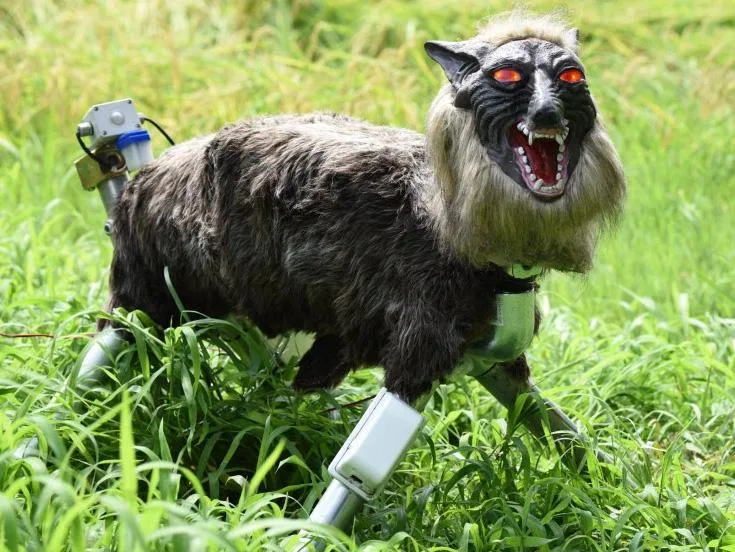
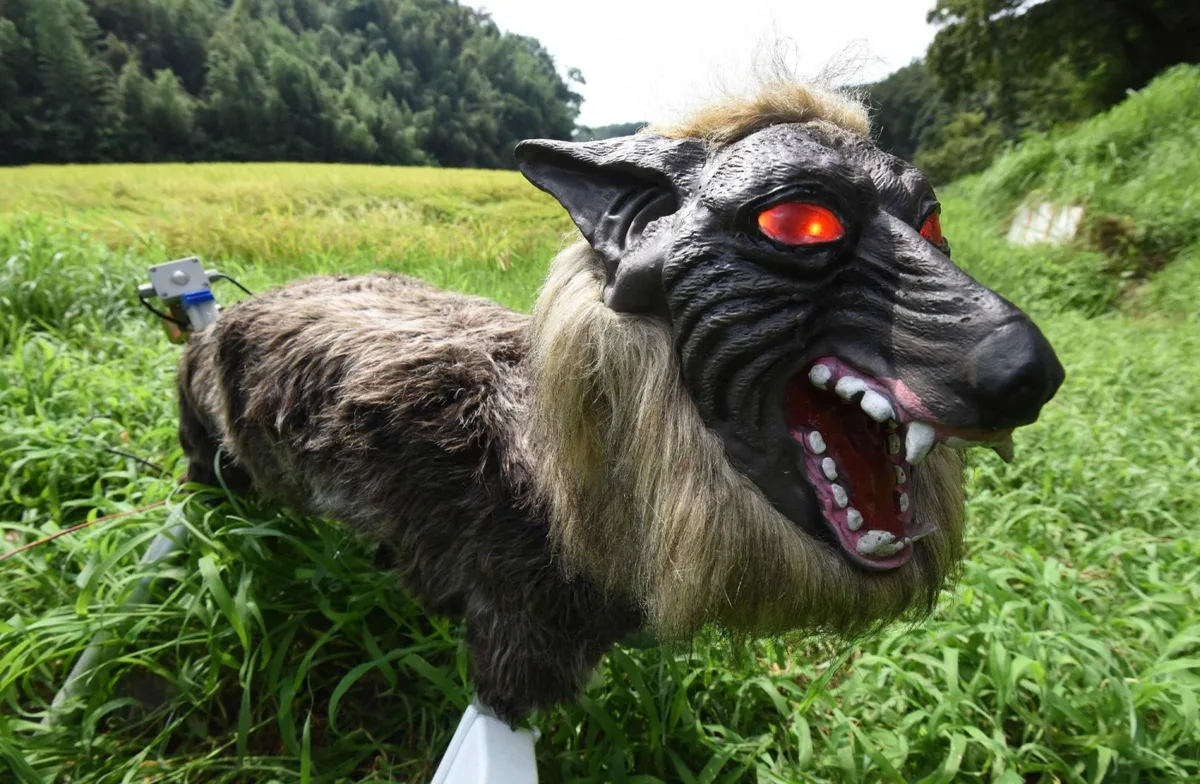
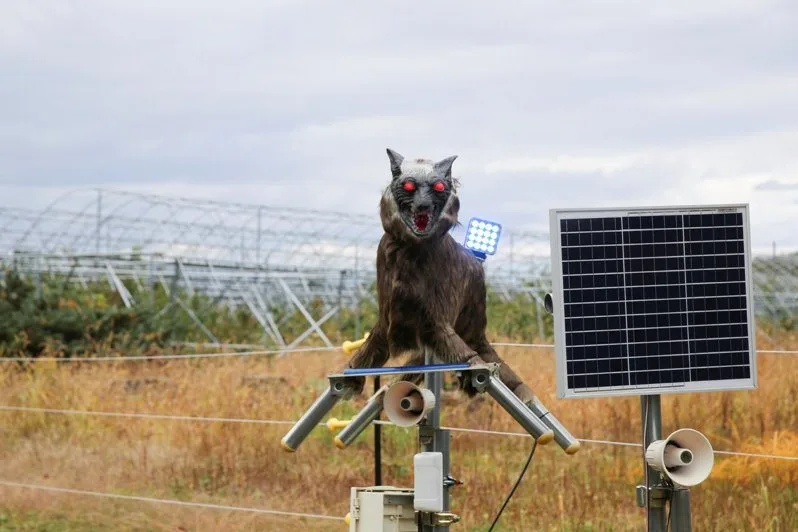
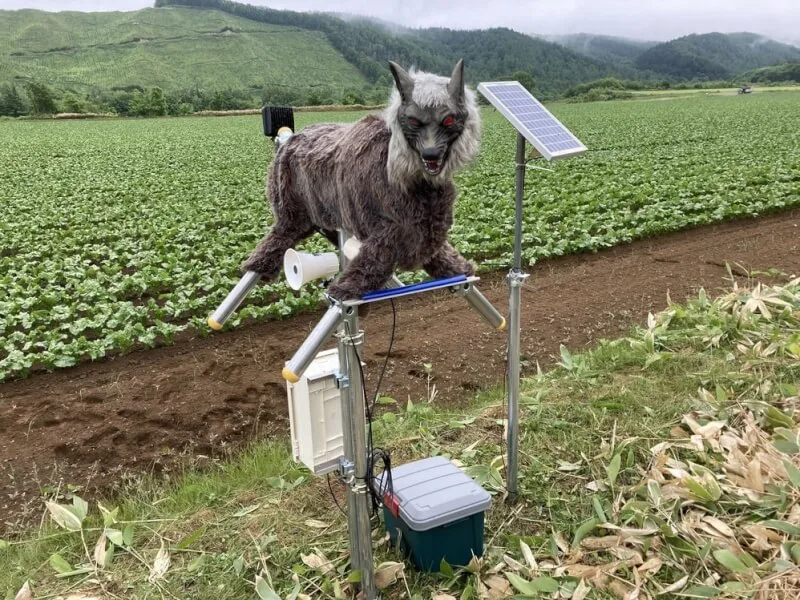
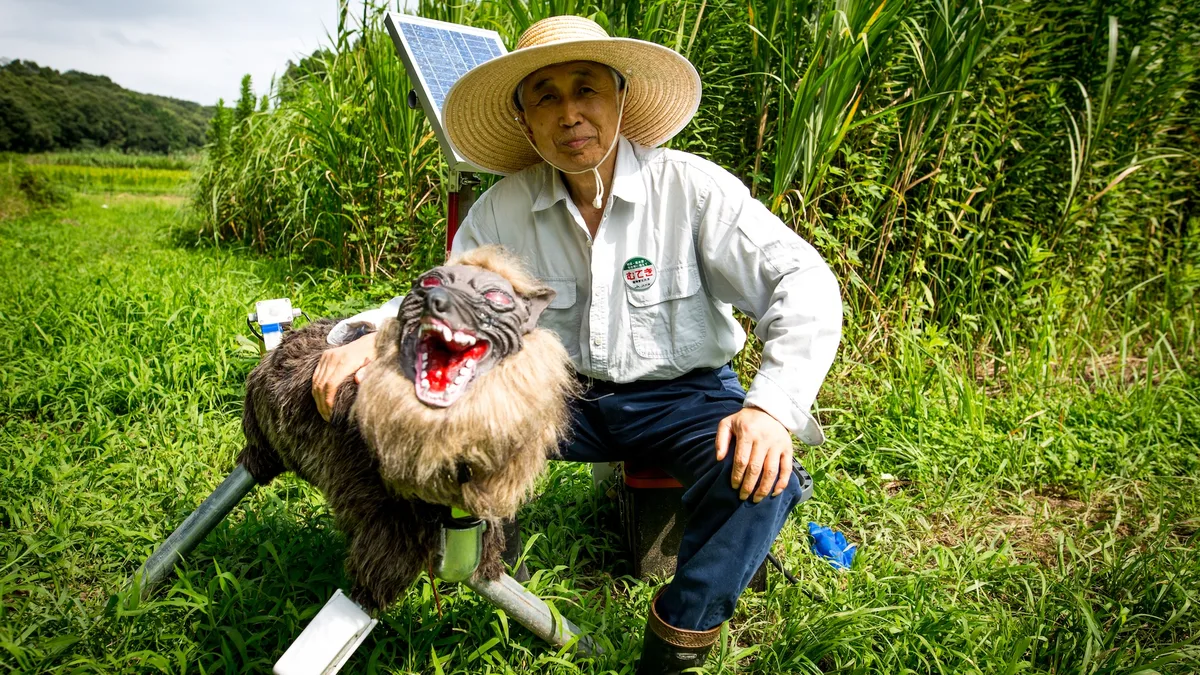
The robot, developed in 2016, emits more than 50 sound patterns and flashes LED lights to scare away wild animals such as boars, deer, and bears that damage crops or threaten humans [4, 1, 2]. It features artificial fur, moving heads, red LED eyes, and blue LED tail lights. The device includes batteries, solar panels, sensors, and speakers audible up to one kilometer, costing about US$4,000 [1, 2, 3].
Bear encounters in Japan have risen sharply during 2025 and 2026, with 13 fatalities recorded—more than double the previous record—and over 200 injuries reported since early 2025 [1, 5]. Nationwide bear sightings reached 50,000 in the same period, more than twice the previous record, while authorities culled a record 14,601 bears in 2025—nearly triple the prior year's number [1, 2, 6].
The increase in bear activity partly results from urban development encroaching on bear habitats and an aging rural population vulnerable to attacks [1, 5]. Reports indicate bears are increasingly appearing in human settings such as farms, golf courses, construction sites, and rural work areas, driving demand for protective measures like the Monster Wolf robot [4, 1].
Ohta stressed the company’s commitment to addressing the bear problem through manufacturing. "We wanted to apply our manufacturing to do our part to deal with bears," he said, adding that awareness of bear safety and wildlife damage measures has improved alongside recognition of the robot’s effectiveness [2, 7].
Looking ahead, Ohta Seiki plans to upgrade the Monster Wolf with wheels for patrolling and chasing animals and is developing a handheld version for hikers and children. The company is also exploring AI camera integration for future models [2, 3].
The current waiting list and production constraints illustrate the urgency with which farmers and rural workers seek solutions as bear risks intensify.